The cost of a distraction
2026 Driver Education Round 2

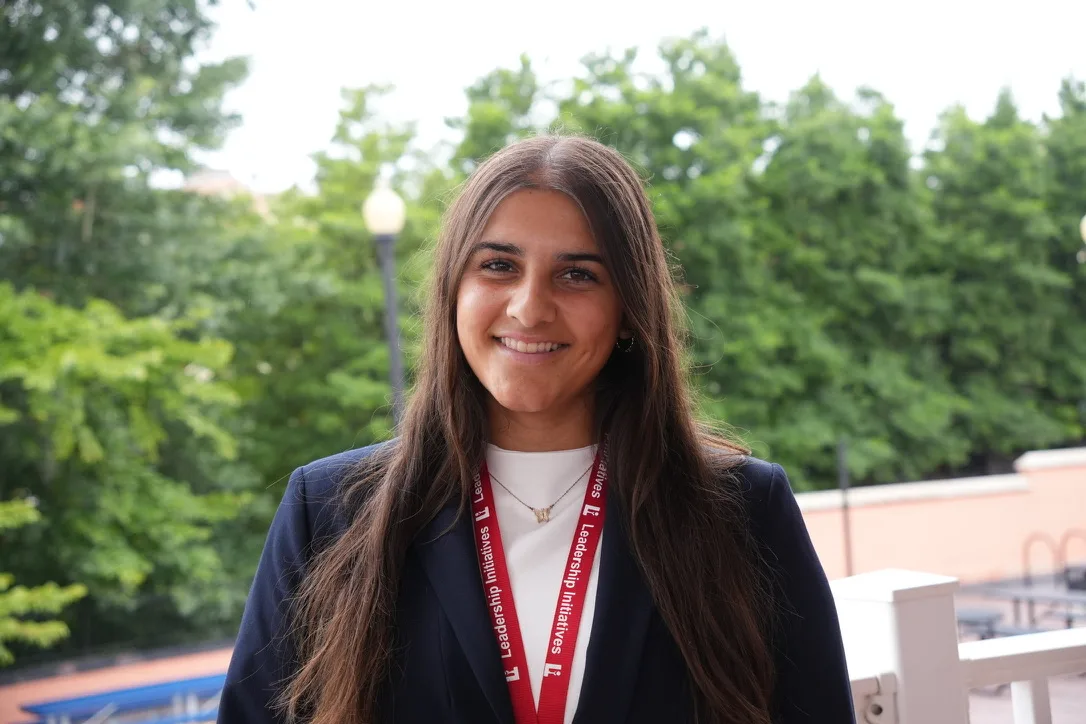
Kylee Pittman
Bronson, Iowa
Distracted driving has impacted my life in more ways than I ever could have imagined, which is why I feel so strongly about raising awareness of its dangers. For me, distracted driving is not just a statistic or something I hear about in driver’s education. It is something I have experienced firsthand, and it has changed the way I view driving forever.
Since starting high school, I have been rear-ended twice. The first time, my sister was driving, and the second time, I was driving myself. Thankfully, neither crash resulted in major immediate injuries, but the effects did not end when the cars were repaired. After the crashes, I began experiencing severe headaches and migraines. There has not been a day since the crashes when I have not had some type of headache. I have been to so many doctors, had multiple procedures, and tried numerous medications while trying to find answers and relief. I have had three lumbar punctures, two of which resulted in spinal leaks. There were times when I was taking so many medications that I felt like a zombie, and I still did not feel better.
An MRI also showed that I have a mild Chiari malformation. My doctors have considered the possibility that my injuries and whiplash may have contributed to or worsened my symptoms. Whether the crashes caused my symptoms or made an underlying condition more noticeable, the result has been the same: my everyday life has changed.
Living with constant headaches makes things that used to feel normal much more difficult. Sitting in class and trying to concentrate while my head hurts can be exhausting. Sometimes I do not want to go out with my friends or participate in activities because I know I may pay for it later with increased pain. Despite this, I have worked hard to maintain a 4.1 GPA while staying involved in student council, National Honor Society, and cheerleading. There have been many days when I wanted to stay in bed instead of pushing through, but I have continued because I do not want my circumstances to determine what I am capable of accomplishing.
My experiences with distracted driving became even more personal when I lost my father in a car accident in 2024. I will never forget seeing the broken guardrail and skid marks from the crash. Those images are permanently engraved in my mind. Losing my dad changed my family and changed me. His death happened around the same time in my life that I was beginning to think seriously about becoming a driver myself.
When I first started driving, I was terrified. I had already been rear-ended once, and I had just experienced the loss of my father in a crash. During my first year of driving, I would shake and sometimes want to cry when I had to drive or ride with someone else. I constantly imagined the worst-case scenario. Whenever a car got too close behind me, my heart would race because I knew how quickly an ordinary drive could turn into something completely different.
Then, about a year after I started driving by myself, I was rear-ended again on my way home from school. Suddenly, many of those fears came rushing back. Even today, I still struggle with anxiety while driving. I hate that I have to live with that fear because of something that could have been prevented.
These experiences have taught me that distracted driving does not only affect the person holding the phone. It affects everyone around them. A driver who looks down for a few seconds may think nothing will happen, but the person in the other car does not get to choose whether they are involved in the consequences. Families can lose loved ones. People can suffer injuries that affect them for years. A single moment of distraction can change someone’s life forever.
Because I know how serious the consequences can be, I believe preventing distracted driving needs to start with young drivers. Teenagers are just beginning to develop their driving habits, so teaching them safe habits early can make a huge difference. One way to raise awareness would be to make distracted driving education more personal. Statistics are important, but students may remember a real story much longer than a number on a presentation. Schools could invite crash survivors, families who have lost loved ones, or emergency responders to speak to students about what they have witnessed. Hearing from people whose lives have actually been changed could help young drivers understand that distracted driving is not harmless.
Schools and communities could also organize campaigns led by students. Social media is a huge part of teenagers’ lives, so using platforms like TikTok and Instagram to share short videos, personal stories, and reminders about putting your phone away could reach a lot of young people. Students could create posters, videos, or announcements for their schools. Driver’s education programs could also include activities that show how quickly a driver’s attention can be lost when they look at a phone. These messages would be even more meaningful if they came from other teenagers instead of only adults telling them what not to do.
I also believe young drivers should hold each other accountable. If I am riding in a car and the driver starts using their phone, I want to feel comfortable telling them to put it away. If I am driving, I can put my phone somewhere I cannot reach it before I even start the car. Simple habits like turning on Do Not Disturb while driving, putting your phone in the center console, or asking a passenger to handle the phone can prevent a dangerous distraction. Safe driving should not be something we only think about after a crash happens.
I cannot change what happened to my family, and I cannot undo the crashes that changed my life. However, I can use my experiences to encourage other people to make safer choices. I never want another teenager to experience the fear I felt when I first started driving, or for another family to experience the loss my family has experienced.
Distracted driving is a choice, but the consequences do not stay with the person who makes that choice. They can follow victims and their families for years. I hope that by sharing my story, I can remind other young drivers that no text, notification, song, or phone call is worth risking someone’s life. The few seconds it takes to put a phone away could be the difference between arriving safely and changing someone’s life forever. I may not be able to change my own past, but I can use what I have been through to help prevent someone else’s future from being changed by distracted driving.
Content Disclaimer:
Essays are contributed by users and represent their individual perspectives, not those of this website.
What steps can you take to be a better driver and safer driver as well as help others become safer on the road
Taylor Daniel Ortiz


