The One Second You Can't Take Back
2026 Driver Education Round 2
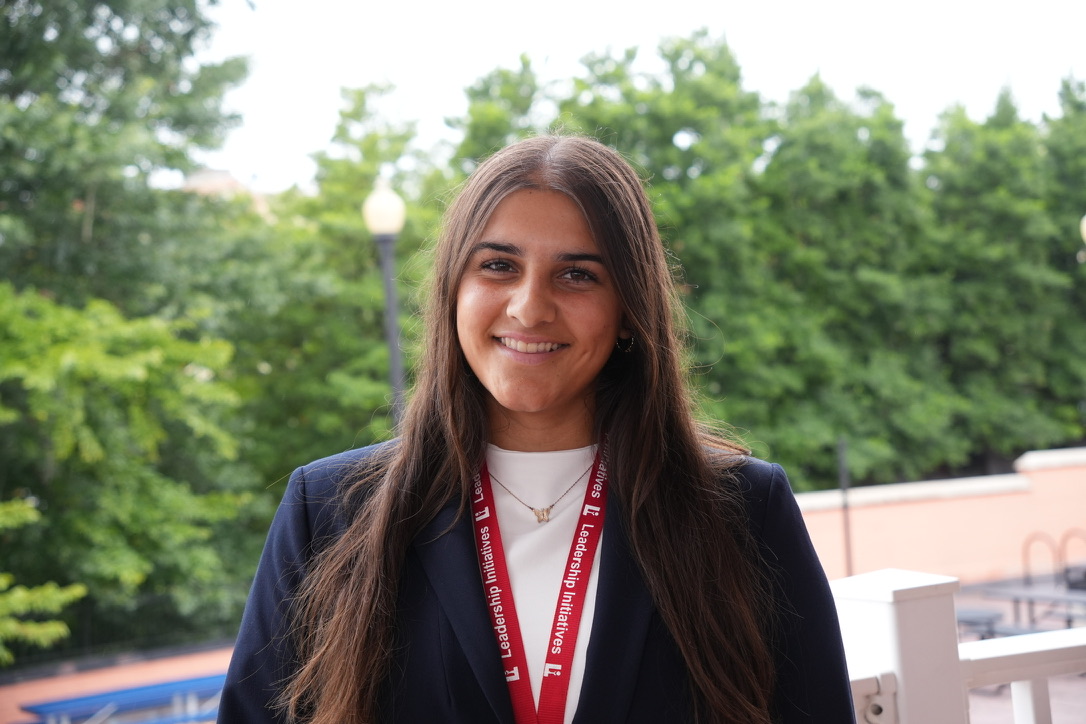
Saraya Jhawar
fullerton, California
Getting your driver’s license is supposed to feel like freedom. You can drive yourself to school, meet your friends without asking for a ride, and stop planning your day around your parents’ schedules. I remember thinking about driving mostly in terms of what it would allow me to do. What I did not think about as much was the responsibility that came with it.
You are controlling thousands of pounds of metal while moving fast enough to seriously hurt someone. That sounds obvious when you say it out loud, but it rarely feels that serious when you are actually driving. Most drives are normal. You get in the car, turn on music, follow the same streets you have driven dozens of times, and arrive without anything happening. That normalcy can make it easy to forget how quickly one decision can change everything.
One of the biggest examples is using a phone while driving. Everyone knows you should not text and drive. I knew that before I ever sat behind the wheel. Yet people still do it. A notification appears, and suddenly checking one message does not seem like a huge risk. You tell yourself it will only take a second.
But that second matters.
A driver does not have to be completely reckless to cause an accident. They can be a good student, a careful person, or someone who has never received a ticket. All it takes is looking down at the wrong moment. A car ahead brakes. Someone steps into a crosswalk. A light changes. By the time you look back up, you may not have enough time to react.
That is why I think being an educated driver means more than knowing road signs or being able to pass a driving test. Those things matter, but education also means understanding why the rules exist. A speed limit is not just a number that keeps you from getting a ticket. Following distance is not something you memorize for an exam and forget afterward. These rules give drivers time to react when something unexpected happens.
Being safe also means recognizing your own bad habits before they become normal. Phones are especially difficult because we are used to having them with us constantly. We answer messages while doing homework, watch videos while eating, and check notifications without even thinking about it. Getting into a car does not automatically turn off that habit.
It has to be a choice.
If I receive a message while driving, it can wait until I arrive. If something is actually urgent, I can pull over somewhere safe. No text, photo, notification, or social media post is important enough to risk someone else’s life just because I wanted to see it immediately.
Safe driving also goes beyond phones. Driving while exhausted, speeding because you are late, following another car too closely, or letting passengers distract you can all affect your ability to react. I think this is especially important for newer drivers because we do not have years of experience to fall back on. Confidence can grow much faster than skill. After driving the same route repeatedly, it is easy to feel like you have everything under control. The road can remind you very quickly that you do not.
I have also realized that driving safely is not only about protecting myself. When I am behind the wheel, every person around me is trusting me to make reasonable decisions. The driver next to me could be taking their child home from school. The person crossing the street could be someone’s parent. My passengers are trusting me to get them where we are going safely. I may never know any of those people, but my decisions can still affect their lives.
That changes the way I think about responsibility.
People sometimes talk about car crashes as if they are simply unavoidable accidents. Some truly are. But many begin with choices that seemed small at the time: looking at a phone, driving too fast, getting behind the wheel when you should not, or deciding that a rule did not matter because nothing bad had happened before.
The problem with that thinking is that you do not get to know which mistake will be the one that matters.
Driver education gives us the knowledge to make better decisions, but knowledge only works when we actually use it. Knowing that distracted driving is dangerous means very little if I still reach for my phone when it buzzes. Knowing the speed limit does nothing if I ignore it whenever I am running late.
Getting a license gave me more independence, but it also gave me a responsibility I did not have before. Every time I start the car, I am responsible for more than getting from one place to another. I am responsible for the decisions I make along the way.
Driving safely will never guarantee that nothing goes wrong. Roads are unpredictable. People make mistakes. What I can control is whether I add another unnecessary risk.
Sometimes that choice is incredibly simple. Put the phone down. Look at the road. And drive.
Content Disclaimer:
Essays are contributed by users and represent their individual perspectives, not those of this website.


The importance of being a safe and educated driver cannot be overstated
Lillie Grace Mark