Responsible driving
2026 Driver Education Round 2
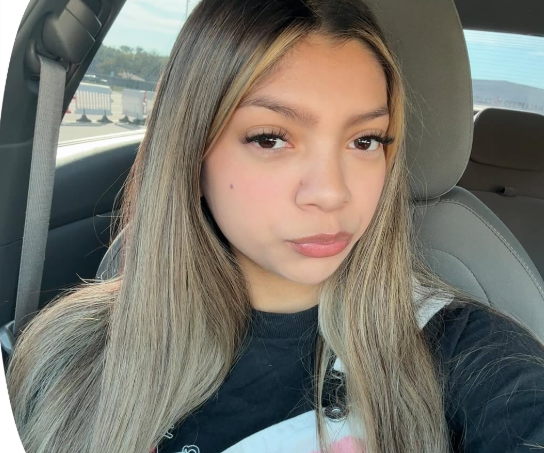
Ayva Hernandez
Irving, TX
Driving is a major responsibility that many people eventually take on. For teenagers especially, getting a driver’s license can feel like an exciting step toward independence and freedom. However, driving also comes with serious risks. Every time someone gets behind the wheel, they are responsible not only for their own safety but also for the safety of everyone else on the road. Driver education is important because it teaches people the knowledge, skills, and responsibilities they need to make safer decisions. By improving driver education and encouraging responsible behavior, we can help reduce the number of deaths caused by driving.
One of the most important reasons driver education matters is because it teaches new drivers how to properly handle different situations on the road. New drivers may know how to operate a vehicle, but that does not always mean they understand how to react to dangerous situations. Driver education teaches important skills such as following speed limits, understanding traffic signs and signals, maintaining a safe following distance, changing lanes safely, and knowing how to respond to different road and weather conditions. It also teaches drivers about the consequences of distracted driving, speeding, driving under the influence, and other unsafe behaviors. Learning these things before driving independently can help prevent accidents and save lives.
Driver education can also help drivers understand that driving is not just about following rules to avoid getting a ticket. Traffic laws exist to protect people. For example, wearing a seat belt can greatly reduce the risk of serious injury during a crash. Staying focused on the road instead of using a phone can help drivers notice hazards before it is too late. Understanding the dangers of driving while impaired can also prevent someone from making a decision that could affect multiple lives. When drivers understand the reasons behind these rules, they may be more likely to take them seriously.
There are several steps that can be taken to reduce the number of deaths related to driving. One of the biggest is reducing distracted driving. Phones are one of the most common distractions because people may be tempted to text, check social media, change music, or look at notifications while driving. Drivers should put their phones away or use hands-free features so they can keep their attention on the road. Another important step is reducing speeding. Driving faster gives a person less time to react to unexpected situations and can make crashes more serious. Drivers should follow posted speed limits and adjust their speed when road or weather conditions make driving more difficult.
Another way to reduce driving-related deaths is to prevent impaired driving. People should never drive after consuming alcohol or using substances that can affect their ability to drive safely. Instead, they should arrange for a sober driver, use another form of transportation, or wait until they are able to drive safely. Seat belts should also be worn by everyone in the vehicle, every time. These simple choices can make a major difference.
I have seen people drive irresponsibly, especially when they are in a hurry or distracted by their phones. Even if someone has never personally been involved in a serious car accident, seeing reckless driving can show how quickly a dangerous situation can develop. For example, seeing someone speed, suddenly change lanes, follow another car too closely, or look down at their phone can be concerning because a driver may not have enough time to react if something unexpected happens. These experiences are reminders that accidents can happen to anyone and that safe driving should always be taken seriously.
As a driver, there are several steps I can take to become safer. First, I can make sure that I am always paying attention to the road and avoiding distractions. I can put my phone away before I start driving so I am not tempted to use it. I can also follow speed limits, leave enough space between my vehicle and the car in front of me, use turn signals, check my mirrors and blind spots, and remain patient instead of making risky decisions when I am in a hurry. I can also make sure that I am well-rested before driving because being extremely tired can make it harder to stay focused.
Being a safer driver also means helping other people become safer. I can encourage my friends and family members to wear their seat belts, put their phones away, and avoid speeding or other risky behaviors. If I am a passenger and the driver is becoming distracted or driving dangerously, I can respectfully speak up. Sometimes people may not realize how unsafe their behavior is until someone points it out. Setting a good example can also influence the people around me. If I consistently practice safe driving habits, my friends and family may be more likely to do the same.
Overall, driver education plays an important role in reducing deaths caused by driving because it prepares people to make responsible decisions behind the wheel. However, education alone is not enough. Drivers must choose to use what they learn every time they drive. Reducing distractions, speeding, impaired driving, and other dangerous behaviors can make roads safer for everyone. As I continue becoming a more experienced driver, I want to remember that having a license is not just a privilege or a form of independence. It is a responsibility. Making safe choices behind the wheel can protect my life, the lives of my passengers, and the lives of everyone else sharing the road.
One of the most important reasons driver education matters is because it teaches new drivers how to properly handle different situations on the road. New drivers may know how to operate a vehicle, but that does not always mean they understand how to react to dangerous situations. Driver education teaches important skills such as following speed limits, understanding traffic signs and signals, maintaining a safe following distance, changing lanes safely, and knowing how to respond to different road and weather conditions. It also teaches drivers about the consequences of distracted driving, speeding, driving under the influence, and other unsafe behaviors. Learning these things before driving independently can help prevent accidents and save lives.
Driver education can also help drivers understand that driving is not just about following rules to avoid getting a ticket. Traffic laws exist to protect people. For example, wearing a seat belt can greatly reduce the risk of serious injury during a crash. Staying focused on the road instead of using a phone can help drivers notice hazards before it is too late. Understanding the dangers of driving while impaired can also prevent someone from making a decision that could affect multiple lives. When drivers understand the reasons behind these rules, they may be more likely to take them seriously.
There are several steps that can be taken to reduce the number of deaths related to driving. One of the biggest is reducing distracted driving. Phones are one of the most common distractions because people may be tempted to text, check social media, change music, or look at notifications while driving. Drivers should put their phones away or use hands-free features so they can keep their attention on the road. Another important step is reducing speeding. Driving faster gives a person less time to react to unexpected situations and can make crashes more serious. Drivers should follow posted speed limits and adjust their speed when road or weather conditions make driving more difficult.
Another way to reduce driving-related deaths is to prevent impaired driving. People should never drive after consuming alcohol or using substances that can affect their ability to drive safely. Instead, they should arrange for a sober driver, use another form of transportation, or wait until they are able to drive safely. Seat belts should also be worn by everyone in the vehicle, every time. These simple choices can make a major difference.
I have seen people drive irresponsibly, especially when they are in a hurry or distracted by their phones. Even if someone has never personally been involved in a serious car accident, seeing reckless driving can show how quickly a dangerous situation can develop. For example, seeing someone speed, suddenly change lanes, follow another car too closely, or look down at their phone can be concerning because a driver may not have enough time to react if something unexpected happens. These experiences are reminders that accidents can happen to anyone and that safe driving should always be taken seriously.
As a driver, there are several steps I can take to become safer. First, I can make sure that I am always paying attention to the road and avoiding distractions. I can put my phone away before I start driving so I am not tempted to use it. I can also follow speed limits, leave enough space between my vehicle and the car in front of me, use turn signals, check my mirrors and blind spots, and remain patient instead of making risky decisions when I am in a hurry. I can also make sure that I am well-rested before driving because being extremely tired can make it harder to stay focused.
Being a safer driver also means helping other people become safer. I can encourage my friends and family members to wear their seat belts, put their phones away, and avoid speeding or other risky behaviors. If I am a passenger and the driver is becoming distracted or driving dangerously, I can respectfully speak up. Sometimes people may not realize how unsafe their behavior is until someone points it out. Setting a good example can also influence the people around me. If I consistently practice safe driving habits, my friends and family may be more likely to do the same.
Overall, driver education plays an important role in reducing deaths caused by driving because it prepares people to make responsible decisions behind the wheel. However, education alone is not enough. Drivers must choose to use what they learn every time they drive. Reducing distractions, speeding, impaired driving, and other dangerous behaviors can make roads safer for everyone. As I continue becoming a more experienced driver, I want to remember that having a license is not just a privilege or a form of independence. It is a responsibility. Making safe choices behind the wheel can protect my life, the lives of my passengers, and the lives of everyone else sharing the road.
Content Disclaimer:
Essays are contributed by users and represent their individual perspectives, not those of this website.