The Cost of a Second of Distraction
2026 Driver Education Round 1
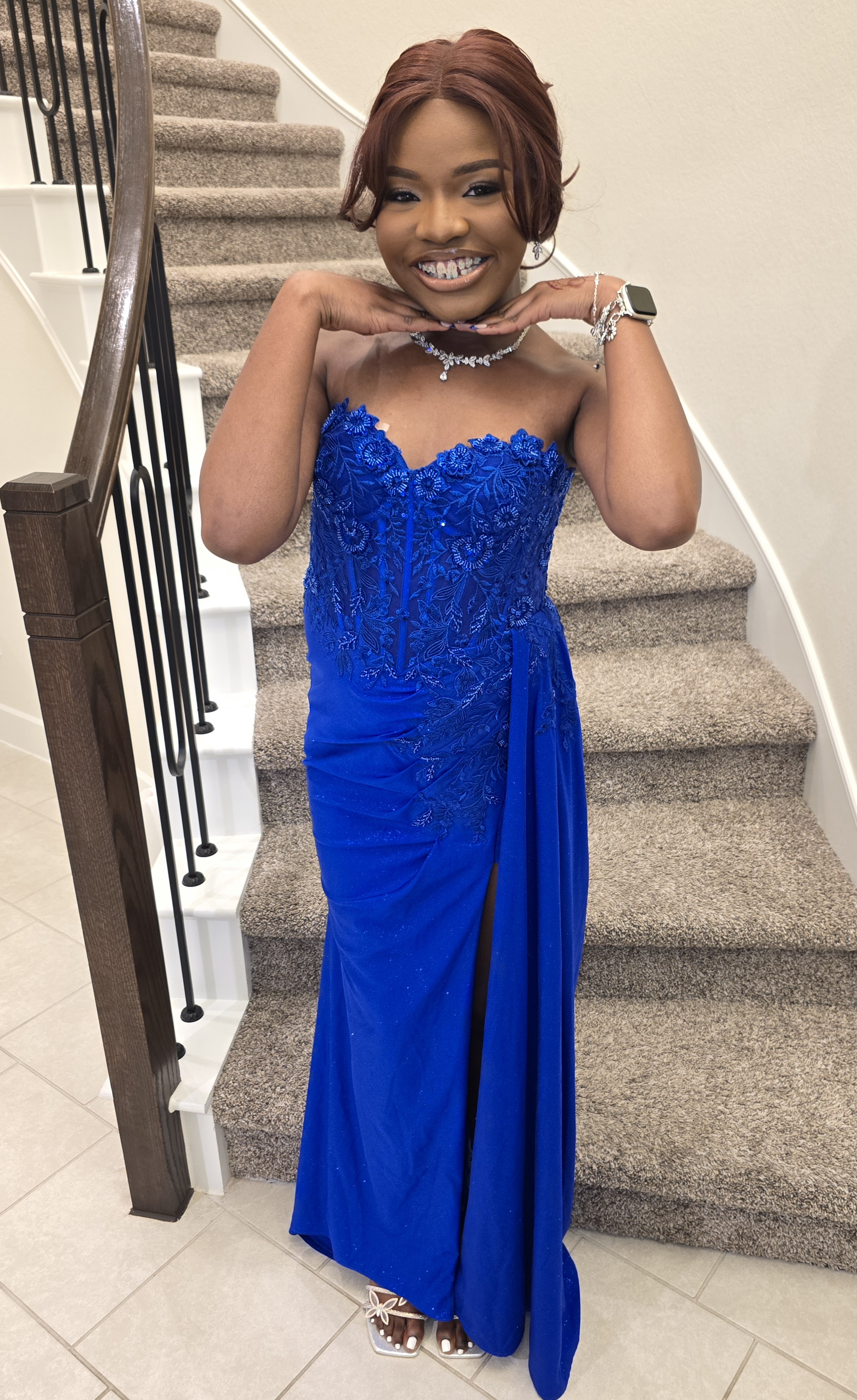
Zoe Adegoke
San Antonio, TX
We were on our way to our swim class after school. Just another regular day. The sun was setting, warm and yellow tinted the skies, traffic was light, and nothing felt out of the ordinary. Then, in a single instant, everything changed. A driver coming int the opposite direction glanced down at her phone to answer a text, and that moment of distraction sent her car crashing into ours. The sound of metal twisting, tires skidding, and my brother’s terrified scream is something I will never forget. He survived the accident, but the impact left him with a traumatic brain injury that took months of therapy, patience, and a strength like no other to overcome. All because someone decided to look away from the road for a message that could not have been important as making sure they get to their destination safely. That experience is why education for drivers matter. It is not just about learning how to operate a vehicle, it is also about understanding how fragile life becomes when you are behind the wheel. You have the power and the decision to do what is right by you and the people around you.
Driver education plays a role in reducing driving related deaths because it teaches young drivers the seriousness of their responsibility. A car is not simply a tool for convenience and to get from one place to the next; it is a powerful machine capable of causing irreversible harm in seconds. Driver education helps students understand the dangers of distracted driving, impaired driving, speeding, and emotional driving. It teaches defensive skills, situational awareness, and the importance of making safe choices even when others around you do not. When students learn these lessons early, they are far more likely to make decisions that protect themselves and others.
To reduce driving related deaths, we must strengthen driver education programs and expand them beyond the basic “don’t text while driving”. Schools should incorporate real stories from survivors and families affected by crashes, because statistics alone cannot convey the true cost of irresponsible driving. Communities should offer hands on defensive driving courses that teach students how to respond to unexpected situations. Laws against texting and driving must be enforced consistently, and society must treat distracted driving with the same seriousness as drunk driving. Parents and adults must also model safe habits, because young drivers learn by watching the people around them.
My brother’s accident was not the only time I witnessed irresponsible driving. I have seen friends glance at their phones, speed through yellow lights, or drive while upset or distracted. Even these small behaviors, changing a song, checking a notification, or rushing through traffic, can create conditions for a tragedy to occur. These moments stayed with me, especially now that I recently earned my license and started driving alone. Driving independently is exciting, but it can also be extremely terrifying. Every time I get behind the wheel, I think about my brother. I think about how easily his story could have ended differently. And I think about the thousands of families who lose loved ones every year because someone looked away for a moment.
To be a safer driver, I am committed to practicing the habits that driver education teaches but that many people forget once they leave the classroom. I silence my phone completely before driving. I give myself extra time to get places so I am not tempted to speed. I stay aware of my surroundings, especially at intersections where distracted drivers often cause accidents. I also talk openly with my friends about safe driving, reminding them that no text, notification, or moment of impatience is worth a life. I want to help create a culture where young drivers hold each other accountable and where safety is seen as a shared responsibility. My brother’s recovery taught me that driving is never just about getting from one place to another. It is about protecting the people you love, the strangers you share the road with, and yourself. Driver education saves lives because it teaches us to respect the power we hold when we sit behind the wheel. As I continue to grow as a driver, I carry my brother’s story with me, not as a fear, but as a reminder of the responsibility I have every time I turn the key.
So to anyone out there that needs to hear this:
So to anyone out there that needs to hear this:
Driving is not just a skill; it is a responsibility that affects lives beyond your own. Every time you get behind the wheel, remember that a moment of distraction can change everything. Put your phone away, slow down, and stay focused. Your actions matter, not just for you, but for everyone sharing the road. Let’s make our roads safer by committing to responsible driving, because no message, call, or notification is worth taking away a life.
Content Disclaimer:
Essays are contributed by users and represent their individual perspectives, not those of this website.


The Importance of Driver Education: A Personal Experience That Changed My View on Road Safety
Synaya Chynelle Montgomery


