The Driver Who Never Saw Me
2026 Driver Education Round 2
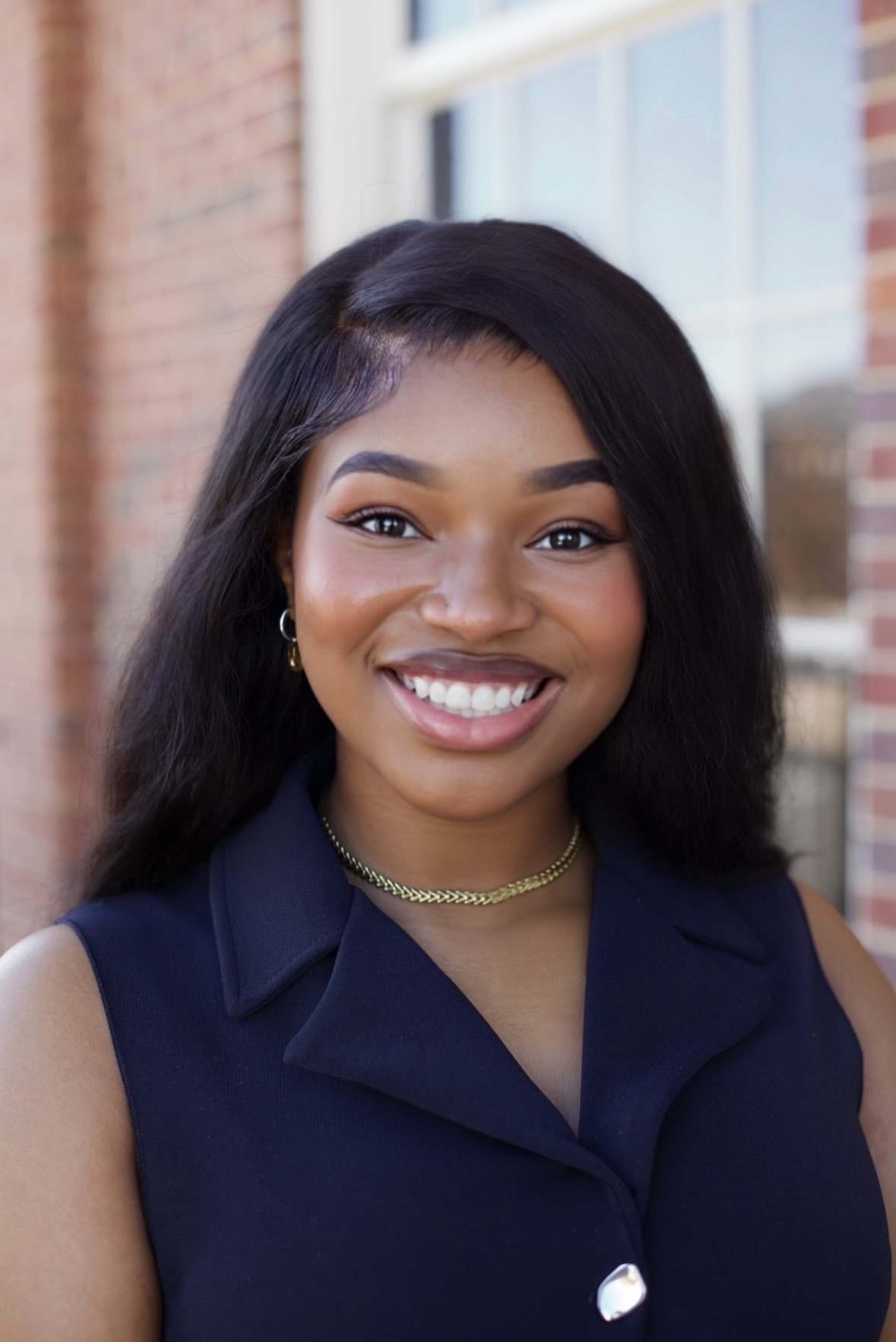
Jaimee Douglas
Tuscaloosa, Alabama
The Driver Who Never Saw Me
The most dangerous moment of my life on a road happened when I wasn’t in a car at all. I was walking to class at the University of Alabama, crossing at a marked crosswalk where pedestrians have the right of way. A driver came toward the crosswalk and didn’t slow down. They were distracted and weren’t paying attention to me at all. The car missed me by what felt like inches. I was terrified. Then, behind me, I heard someone chuckle, as if what had almost happened was funny.
I have thought about that moment many times since. The driver probably drove off without realizing how close they came to changing two lives. The person behind me treated it like a joke. And I was left shaken, knowing that if that car had hit me, no one would have been laughing. That is why I believe the biggest problem on our roads isn’t that people don’t know driving is dangerous. It’s that most people don’t take it seriously until it happens to them.
Why Driver Education Matters
The numbers show how serious this is. According to the National Highway Traffic Safety Administration, 3,275 people were killed in crashes involving distracted drivers in 2023, and 611 of them weren’t even in a vehicle. They were pedestrians, cyclists, and others outside the car. The Insurance Institute for Highway Safety reports that 7,367 pedestrians were killed in 2023, nearly one out of every five people who died in a crash that year. I could have been part of that number.
Driver education matters because it is the one time nearly every driver is required to stop and learn before they get behind the wheel. Most drivers’ ed focuses on rules and mechanics: how to parallel park, what a sign means, how to pass the test. Those things matter, but the driver who almost hit me probably knew every one of them. What they lacked was attention and judgment, the habit of looking for people who might be in their path. Good driver education should build that habit early, before shortcuts become routine. It should teach new drivers that a crosswalk isn’t just paint on the road. It’s a promise that the people in it will be seen.
Steps to Reduce Driving Deaths
I think there are several practical steps that could save lives, and many of them come from looking at the road from a pedestrian’s point of view.
First, driver education should include a pedestrian perspective exercise. Before getting their licenses, students could spend time standing at a busy crosswalk and simply watching drivers: how many slow down, how many look at their phones, how many roll through without stopping. Seeing it from the curb makes the danger real in a way a textbook never can. I learned more about distracted driving in three seconds in that crosswalk than I ever learned from a slideshow.
Second, phone safety features should be on by default for new drivers. Most phones already have a driving focus mode that silences notifications while the car is moving, but many people never turn it on. Phone makers and driver education programs could make it the default setting for drivers under 21, so staying focused is the easy choice instead of the extra step.
Third, the places with the most foot traffic need safer design. College campuses, downtown areas, and school zones could use raised crosswalks, better lighting, flashing pedestrian signals, and signals that give walkers a few seconds’ head start before cars get a green light. These changes protect people even when a driver makes a mistake.
Fourth, we need to change how people react to near misses. The person who laughed behind me wasn’t a bad person, but their reaction shows how normal close calls have become. Schools and communities should treat near misses as warnings, not funny stories. Every close call is a crash that almost happened.
Becoming a Safer Driver and Helping Others
My near miss changed how I move through the world, both on foot and behind the wheel. When I walk, I no longer assume that having the right of way means I’m safe. I look at drivers and wait until I’m sure they see me before I cross. When I drive, my phone goes on Do Not Disturb before I start the car, and I slow down near crosswalks and campus streets, because I know exactly what it feels like to be the person standing in front of a driver who isn’t looking.
I also want to help others take this seriously. As president of ColorStack at UA, a student organization on my campus, I can use our meetings and social media to share my story and remind members to put their phones away while driving. As a volunteer mentor with Al’s Pals, a program that works with children in local Tuscaloosa schools, I can model safe habits for kids who will be drivers one day, like stopping, looking, and never assuming a car will stop for you. And when I’m in the car with friends, I can be the passenger who says, “I’ll text for you. Keep your eyes on the road.”
That driver never saw me. I was lucky, and luck is the only reason I am writing this essay instead of being one of the numbers in it. I don’t want anyone else’s safety to depend on luck. If better driver education, smarter technology, safer streets, and a little more seriousness about close calls can help even one driver look up in time, then that frightening moment in the crosswalk will have meant something.
Content Disclaimer:
Essays are contributed by users and represent their individual perspectives, not those of this website.