The Final Goodbye
2026 Driver Education Round 1
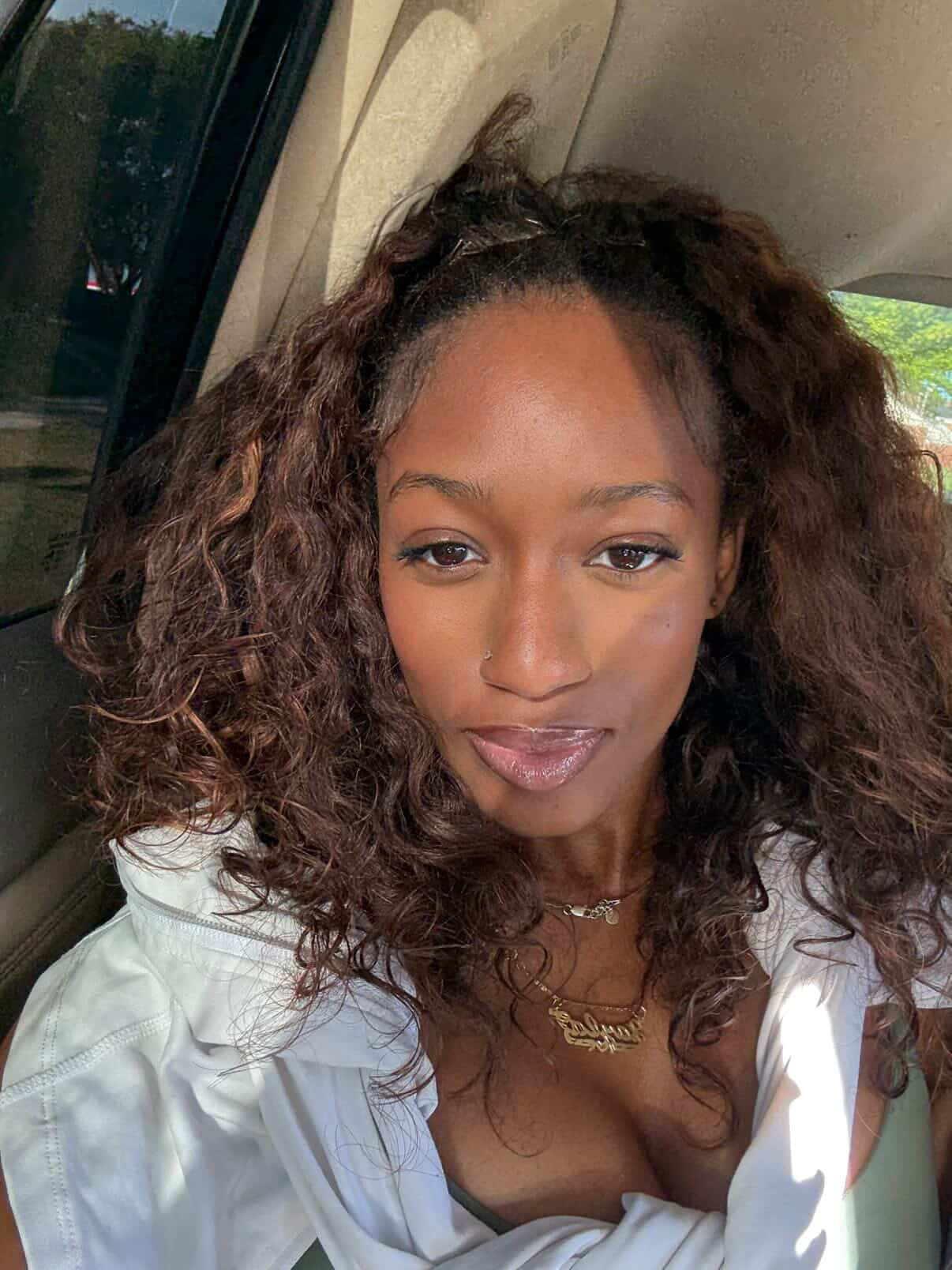
Jayla Flores
Stockton, CA
The Final Goodbye
When my friend Ernesto left for school that morning, neither he nor his mother could have imagined it would be their final goodbye. Like every other school day, she likely reminded him to have a good day, be careful, and told him she loved him. Neither of them knew those simple words would be the last they would ever share.
The following afternoon, as I drove home from school, I noticed a horrific accident along my usual route. A car had left the roadway, wrapped itself around a tree, and was completely engulfed in flames. Emergency vehicles surrounded the scene, but there was little anyone could do. I remember feeling sick to my stomach, hoping and praying that no one I knew had been involved.
The next day, my worst fear became reality. I came home from school and learned that the vehicle I had seen burning belonged to one of my closest friends, Ernesto. He and three other teenagers had lost their lives.
The accident was determined to have been caused by excessive speed. In a matter of seconds, four promising young lives were gone forever because of a decision that could have been prevented. To this day, I often think about how different the outcome might have been if the driver had simply slowed down, obeyed the posted speed limit, and recognized that no destination was worth risking the lives of everyone in the car.
That tragedy forever changed my perspective on driving. It was my first real lesson that driving is not simply a privilege or a means of transportation, it is an enormous responsibility. Every decision we make behind the wheel has consequences. Whether we choose to speed, text while driving, ignore traffic signals, or drive while tired or impaired, we are making choices that affect not only our own lives but also the lives of our passengers, other motorists, pedestrians, cyclists, and the families waiting for them to come home safely.
This experience also taught me the true importance of driver education. Driver education is about much more than learning how to parallel park or pass a written exam. It teaches young drivers to anticipate danger, make responsible decisions under pressure, understand the physics of speed and stopping distance, and appreciate the devastating consequences of reckless behavior. While no training program can eliminate every accident, quality driver education provides the knowledge and judgment needed to reduce preventable crashes before they happen.
Unfortunately, many drivers, especially teenagers, believe accidents only happen to someone else. They underestimate how quickly a vehicle can become uncontrollable or how dramatically stopping distance increases with speed. They may feel invincible behind the wheel or allow peer pressure to influence their decisions. Driver education helps challenge these dangerous misconceptions by replacing overconfidence with awareness, responsibility, and respect for the rules of the road.
Reducing the number of traffic-related deaths requires a collective effort. Driver education is one important piece, but it must be reinforced through personal responsibility, strong laws, parental guidance, and community involvement. Drivers should always obey posted speed limits, eliminate distractions by putting away their phones, never drive under the influence of alcohol or drugs, wear seatbelts on every trip, and remain alert to changing road and weather conditions. Parents should model safe driving behaviors for their children because young drivers often imitate what they observe long before they receive a driver’s license. Schools and communities can also help by promoting defensive driving courses and reminding students that one poor decision can change countless lives forever.
Although I cannot change what happened to Ernesto, I can honor his memory through the choices I make every day. I have become an extremely cautious driver because I understand firsthand what is at stake. I maintain a safe following distance, obey speed limits even when I am running late, avoid distractions, and constantly scan my surroundings for potential hazards. When family members or friends ride with me, I recognize that I am responsible for their safety, and I never take that responsibility lightly.
I also believe we have an obligation to help others become safer drivers. If I see someone driving recklessly, I am willing to speak up. If a friend attempts to drive after drinking or while overly fatigued, I would rather have an uncomfortable conversation than attend another funeral. Sometimes being a good friend means preventing someone from making a life-changing mistake. Encouraging others to wear seatbelts, slow down, and stay focused behind the wheel may seem like small actions, but they can make an immeasurable difference.
Even years later, I can still picture the accident whenever I drive down that same road. The images never truly fade, nor does the sadness of knowing that four families lost children with bright futures ahead of them. That painful memory serves as a constant reminder that every time we get behind the wheel, we hold someone else’s future in our hands.
The greatest lesson I learned from losing Ernesto is that arriving safely is always more important than arriving quickly. No text message, phone call, social media notification, or appointment is worth a human life. Every driver has the power to prevent tragedy simply by making thoughtful, responsible decisions.
If my experience can encourage even one person to slow down, stay focused, buckle their seatbelt, or think twice before making a reckless decision, then sharing Ernesto’s story has served a meaningful purpose. Safe driving is not just about following traffic laws—it is about protecting families, preserving futures, and ensuring that every goodbye we say in the morning is never our last.
Content Disclaimer:
Essays are contributed by users and represent their individual perspectives, not those of this website.