The goal is to stay alive
2026 Driver Education Round 2
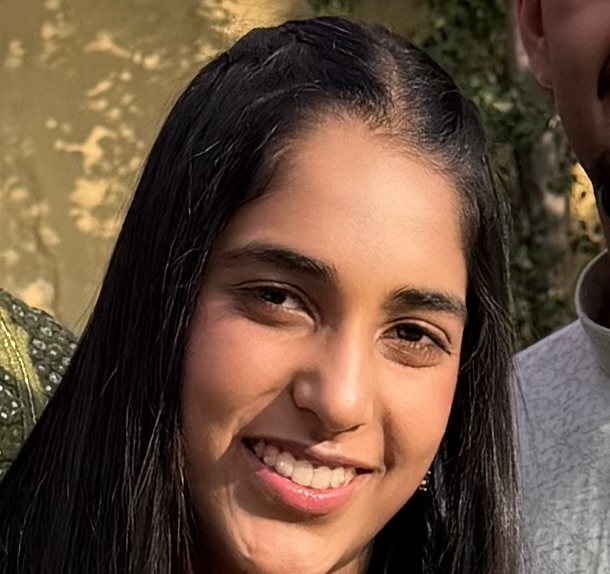
Tiya Miglani
Hollis, NH
Every day, millions of people get into their cars without even once thinking if they would reach their destination safely. One careless decision could ruin and destroy many lives. It is normal for people to start taking things for granted once they have gotten used to it. Behind every driving related death, there is a person with a family, friends and a career full of success that also goes away. To prevent these deaths, driver’s education is very crucial. It doesn’t just teach you how to drive, it teaches you how to save your life and the people around you.
Along with driver’s education, there are a number of precautions that can encourage the safety of yourself and the people surrounding you. Examples include obeying the laws like speed limits, keeping cell phones and other distractions away, wearing a seatbelt, never driving under influence, and more. Steps that can be taken by other larger scale parties include raising awareness, promoting good driving habits, and discounted driving classes. Within a family, the parents should also become good role models for their kids and drive in a way that would set their kids up for success.
To start off, we shouldn’t have to experience a tragedy to understand it. Personally, I am very thankful for never being in a serious car accident or have had anyone I know in an accident either. My parents have always been good role models for me, but there has been an instance where I have witnessed someone lose a life because of someone who drove onto the wrong lane.
Ultimately, reducing-driving related deaths starts with the way we think about each ride. A car ride isn’t just a mechanism that gets you from one place to another. It comes along with a responsibility that one owes to themselves and to others. A significant way to prevent deaths and promote safe driving is being educated of the rules and regulations. We cannot prevent all accidents, but we can reduce them. We can start off by changing our mindset that the goal should never just be to get there, it should be to get there alive and safe.
Another important step in reducing driving-related deaths is understanding that driving is not a competition or a race against time. Arriving a few minutes earlier is never worth risking someone’s life. Drivers must learn to stay calm, be patient with others, and understand that one small decision can have consequences far beyond what they expect. Safety should always come before convenience regardless of the circumstances.
In addition, driver education should not end once someone receives their license. Sometimes more experience can lead to overconfidence as they can sometimes become too comfortable behind the wheel and begin taking unnecessary risks due to overconfidence. They might think that because they have been driving for years, nothing bad will happen to them. Experience does not make someone invincible. Every driver needs to continue learning and reminding themselves of the importance of following traffic laws. Even the most experienced drivers can make mistakes, which is why staying alert and responsible is necessary every time they get into a car.
Technology can also play an important role in improving road safety. Features such as automatic emergency braking, lane departure warnings, and blind spot monitoring can help drivers recognize possible dangers before they become serious accidents. However, these features should never replace, but aid responsible driving. Drivers must still pay their full attention to their surroundings and take responsibility for their actions. Depending entirely on unreliable technology can create a false sense of security, which may possibly lead people to become less careful.
Finally, I believe that creating safer roads starts with changing the mindset of an individual. Instead of thinking that accidents only happen to other people, drivers should remember that everyone has a responsibility to prevent them. Before making a risky decision, people should realize how their actions could affect an innocent person or an entire family. Taking a few extra moments to check surroundings, putting a phone away, or choosing not to drive when tired may seem like small changes, but they can make a significant difference. When people take these responsibilities seriously, they help create a safer and more secure environment for everyone. Ultimately, road safety is not just about protecting ourselves; it is about making sure that every person has the opportunity to return home safe and sound to the people who care about them.
Content Disclaimer:
Essays are contributed by users and represent their individual perspectives, not those of this website.