The Importance of Driver Education and Reducing Traffic Deaths
2026 Driver Education Round 2
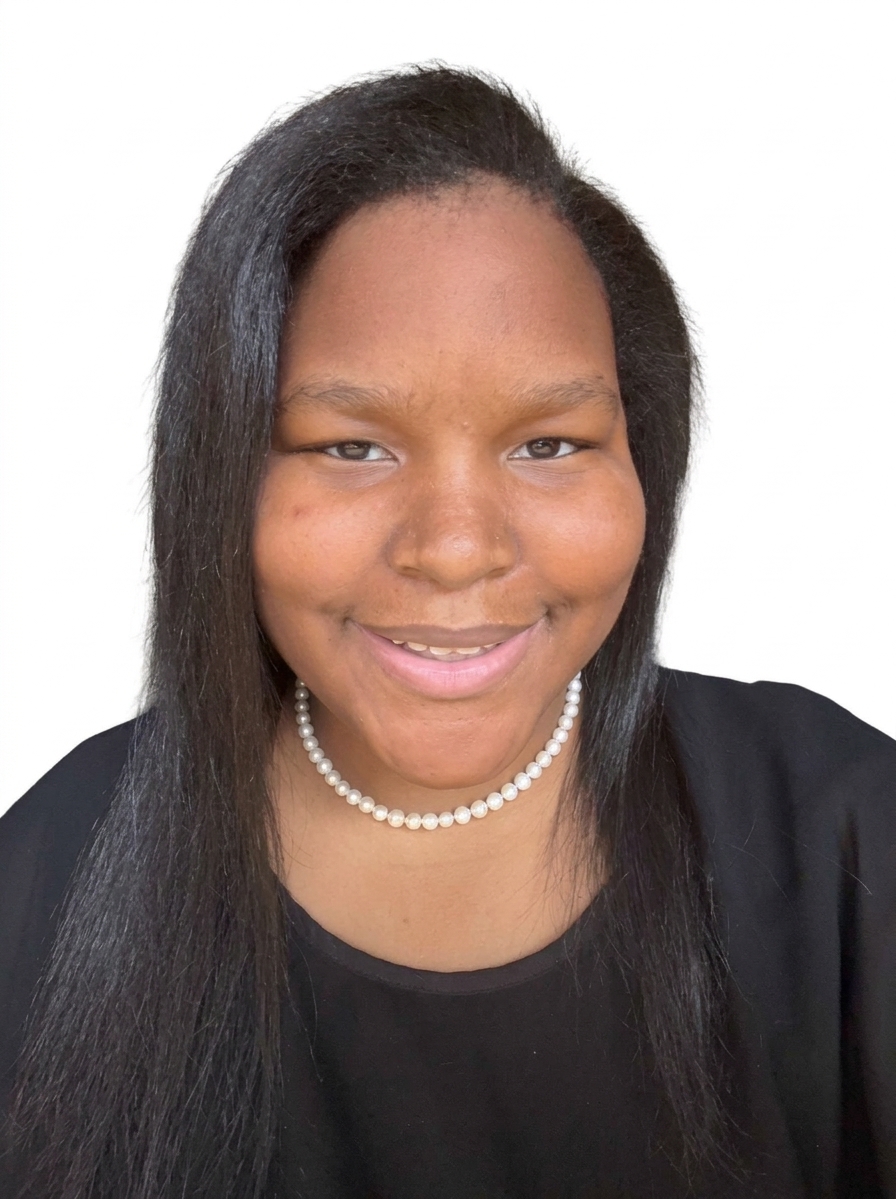
Isabella Brown-Page
Hope Mills, NC
Driving is something many people rely on every day. People have to drive to school, work, appointments, the store, and many more. It can be dangerous when people don’t follow the traffic laws or pay any mind to their surroundings. Car accidents happen a lot, and in less than a few seconds. They can have the cost of people losing their lives. Many accidents are caused by distraction and very careless individuals' reckless driving behavior, and/or driving under the influence. That is why driver’s education and basic knowledge/education are so significant. Learning how to drive and how to drive safely can help avoid and prevent accidents, save and protect lives, and make the road safer and beneficial for everyone.
Driver’s education also plays an important role in preventing traffic deaths because it helps
teach people how to make responsible and reasonable decisions whilst behind the wheel. Before an individual gets their driver’s license, they should learn and understand traffic signs, rules of the road, speed limits, and how to deal with any situations that come their way. Driver’s education teaches people about the dangers and consequences of distracted driving, driving while under the influence, and driving when they are barely functioning. Some people think driving is about knowing how to operate and handle a vehicle, and it is, but there is a lot more to it. Drivers, essentially new drivers need to understand the proper actions and methods on the road. As for those who’ve driven for some time, they need to understand how their actions affect those around them, not just themselves. One of the biggest examples is looking down at a cellular device or trying to type out a message. This could cause someone to miss important things such as a stop sign, a red light, and/or another vehicle in front of them. Having the right education can help drivers recognize the dangers before they make a mistake that they cannot come back from.
Many different steps can be taken to alleviate any driving-related fatalities or injuries. Cell phones are one of the biggest distractions for drivers because people feel the need to answer messages, check notifications, and/or change a song whilst driving; even though nothing could be that serious, and if it was, then the person or people on the other line should be more understanding and considerate of the driver being unavailable. Drivers and other individuals should put their phones away, silence them, let others know that they are operating a moving vehicle, and focus on the road. Another step is following the law; given speed limits, they are there for a reason. Going faster and/or speeding up doesn’t mean you are going to get to your destination any faster if you’re already late. Speeding makes it harder to stop than it took for you to speed up, and it makes the chances of injuries and deaths higher during an accident. Again, speeding doesn’t mean you will get there faster; arriving a few minutes earlier isn't worth risking the lives of others or your own. Another way to diminish traffic/road deaths is to not drive under the influence of a substance of any kind that will incapacitate, and or mess with somebody’s ability to operate a vehicle safely. Substances can affect a person’s judgement, mind, reaction time, coordination, ability to think straight, and make good choices. Someone who is under the influence might say and/or express being able to drive, but they would be putting themselves, the people in the vehicle, and those around them at risk. If someone or you are under the influence of any substance, they should arrange another form of transportation, and/or get a ride from someone else. Wearing a seat belt is also important; they help protect drivers and passengers by alleviating the risk of being injured and/or thrown out, or away from a vehicle during a crash. Everyone in the vehicle should wear one, even if it is only for a short period of time or distance.
I have seen many times where irresponsible driving can affect those around them, and how driving erratically can make being on the road hazardous. There have been many instances when drivers speed, tail behind others too close, change lanes and turn without signaling, or focus on their phones rather than focus on the road. There are steps I can take to become a safer driver and make sure others are protected. I could ensure that I follow signs, laws, and limits; I can pay attention and make sure there aren’t any distractions nearby that will restrict me from being able to focus. Before leaving, I can ensure I can wear my seatbelt, check my mirrors, and make sure that my vehicle is in a good and safe condition to drive. I should not, ever drive while I am barely awake, and functioning I can also ensure that I can drive without any distractions, or restrictions such as drowsiness, exhaustion, feeling sick, being injured, and/or on medication that will make me, or affect my full ability to operate a vehicle properly.
Helping others and allowing them to make it home safely is just as significant as being responsible yourself. By encouraging friends and family members to wear their seat belts, avoid using your phone while operating a vehicle, and follow the rules and regulations of the road. If and/or when you are in a moving vehicle with somebody who isn’t following the simple laws of the road, you can ask them to pay attention, stay focused, and/or slow down. Your life is in their hands and is just as important as theirs. Being a safe driver isn’t just about protecting yourself; it is also about protecting the lives of those around you; such as pedestrians, passengers, cyclists, and those who are also operating a vehicle.
In conclusion, driver education is one of the most important parts of preventing car accidents and road risks; it also lowers the number of people who lose their lives each day on the road. It helps teach drivers how to perceive dangerous situations and hazards, follow and abide by traffic laws, and make smarter and better choices. Many accidents can be prevented when people drive responsibly and take safety seriously, even if all accidents can’t be prevented. Stay focused, comply with speed limits, wear seat belts, and avoid dangerous and reckless behaviors. I can do my part to protect myself and those around me. Driving isn’t a right; It is a privilege and should always be approached responsibly and safely. One wrong decision can make a difference in whether someone makes it home.
Content Disclaimer:
Essays are contributed by users and represent their individual perspectives, not those of this website.