The Importance of Driver Education: Protecting Lives Through Responsibility
2026 Driver Education Round 1

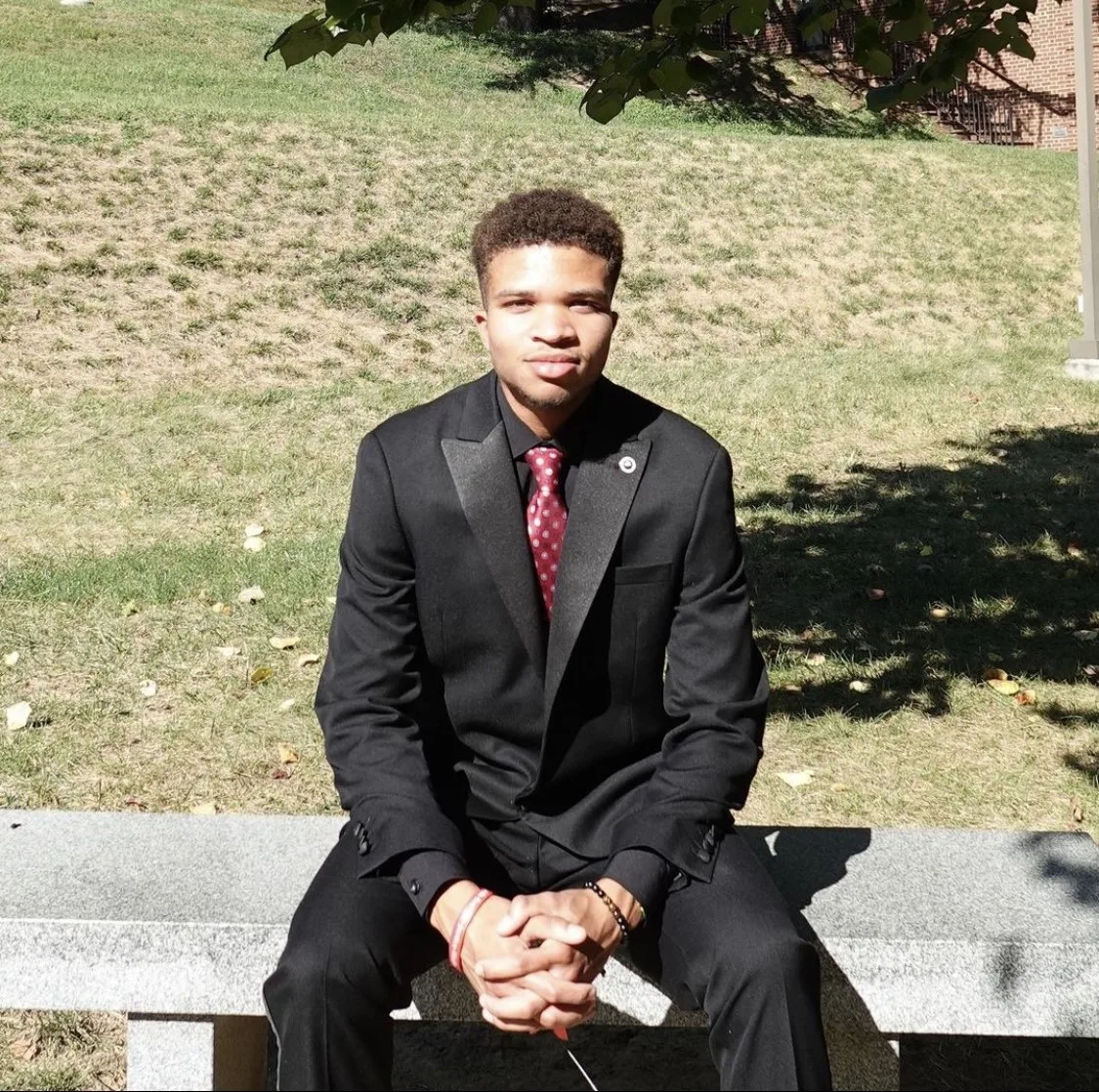
Aberash King
Framingham, ma
Every time someone gets behind the wheel of a vehicle, they are making a decision that affects not only their own life but the lives of everyone around them. Driving is a privilege that comes with enormous responsibility. While modern vehicles are equipped with advanced safety features, technology alone cannot prevent accidents caused by distracted, impaired, or reckless driving. That is why driver education is so important. It teaches new drivers the skills, knowledge, and judgment they need to make safe decisions on the road. More importantly, it helps create a mindset of responsibility that can save lives.
Driver education is one of the most effective ways to reduce traffic fatalities because it prepares drivers before dangerous habits begin. Learning traffic laws, defensive driving techniques, and the consequences of risky behavior helps drivers understand that every decision behind the wheel matters. A driver who understands the dangers of speeding, texting while driving, driving while tired, or driving under the influence is more likely to make responsible choices. Education cannot eliminate every accident, but it can reduce the number of preventable tragedies by helping people become more aware, prepared, and cautious.
Reducing the number of deaths related to driving requires more than completing a driver's education course. It requires a commitment from individuals, families, schools, and communities. One important step is continuing to educate people about distracted driving, especially as cell phones have become a constant part of daily life. A text message or social media notification can wait, but a life cannot be replaced. Stronger enforcement of seat belt laws, stricter penalties for impaired driving, and increased awareness campaigns can also encourage safer behavior. Parents, teachers, and mentors should model safe driving habits because young drivers often learn by watching the adults around them. Communities can also offer refresher courses and defensive driving programs that remind experienced drivers of the importance of staying alert and following traffic laws.
Although I have not personally been involved in a serious car accident, I have witnessed irresponsible driving and understand how quickly poor decisions can put lives at risk. Seeing people speed, ignore traffic laws, or become distracted by their phones has reminded me that accidents often happen because someone believes, "It won't happen to me." Unfortunately, one careless decision can change a family forever. Every driver has the responsibility to protect not only themselves but also their passengers, pedestrians, cyclists, and other motorists sharing the road.
Growing up in foster care has shaped the way I think about responsibility and protecting others. I entered foster care when I was nine years old after experiencing abuse and neglect. Throughout my childhood, I moved between foster homes and group homes, never knowing exactly what the future would hold. Those experiences taught me that life can change in an instant and that the choices adults make have lasting effects on children. Many children in foster care have already experienced significant loss and trauma. Losing a loved one in a preventable car accident would only add to that pain. Because of my own experiences, I understand the importance of making choices that protect others and prevent unnecessary heartbreak.
Being a foster child also taught me resilience and the value of thinking beyond myself. I know what it feels like to wish adults had made safer and more responsible decisions. As I prepare to become a driver, I want to honor that lesson by making safety my highest priority. I will always wear my seat belt, avoid distractions, obey speed limits, never drive under the influence, and never get behind the wheel if I am too tired or emotionally distracted. I also plan to speak up if I am riding with someone who is driving recklessly. Although those conversations can sometimes feel uncomfortable, remaining silent could have far more serious consequences.
I also believe that being a safe driver means setting a positive example for others. Younger siblings, friends, and future children often learn from what they observe. By practicing safe driving habits every day, I hope to encourage others to do the same. I want to be someone who reminds friends to buckle their seat belts, put away their phones, and make responsible choices. Small actions may seem insignificant, but they can prevent accidents and save lives.
My long-term goal is to become a licensed child psychologist and work with children who have experienced foster care, trauma, abuse, and neglect. My career will focus on helping children heal from difficult experiences and build brighter futures. Safe driving may seem unrelated to psychology, but both share an important purpose: protecting human life. Whether I am helping children overcome emotional trauma or practicing safe driving on the road, my goal is the same to reduce harm, protect others, and contribute to safer, healthier communities.
Driver education is about much more than learning how to operate a vehicle. It teaches responsibility, accountability, and respect for human life. Every person who chooses to drive safely has the power to protect families from experiencing devastating loss. I know firsthand how fragile stability can be, and I never want my actions to become the reason another family experiences pain that could have been prevented. By continuing to learn, making responsible decisions, and encouraging others to do the same, I hope to contribute to a future where fewer lives are lost and more families arrive home safely.
Content Disclaimer:
Essays are contributed by users and represent their individual perspectives, not those of this website.