The Importance of Responsible Driving
2026 Driver Education Round 2
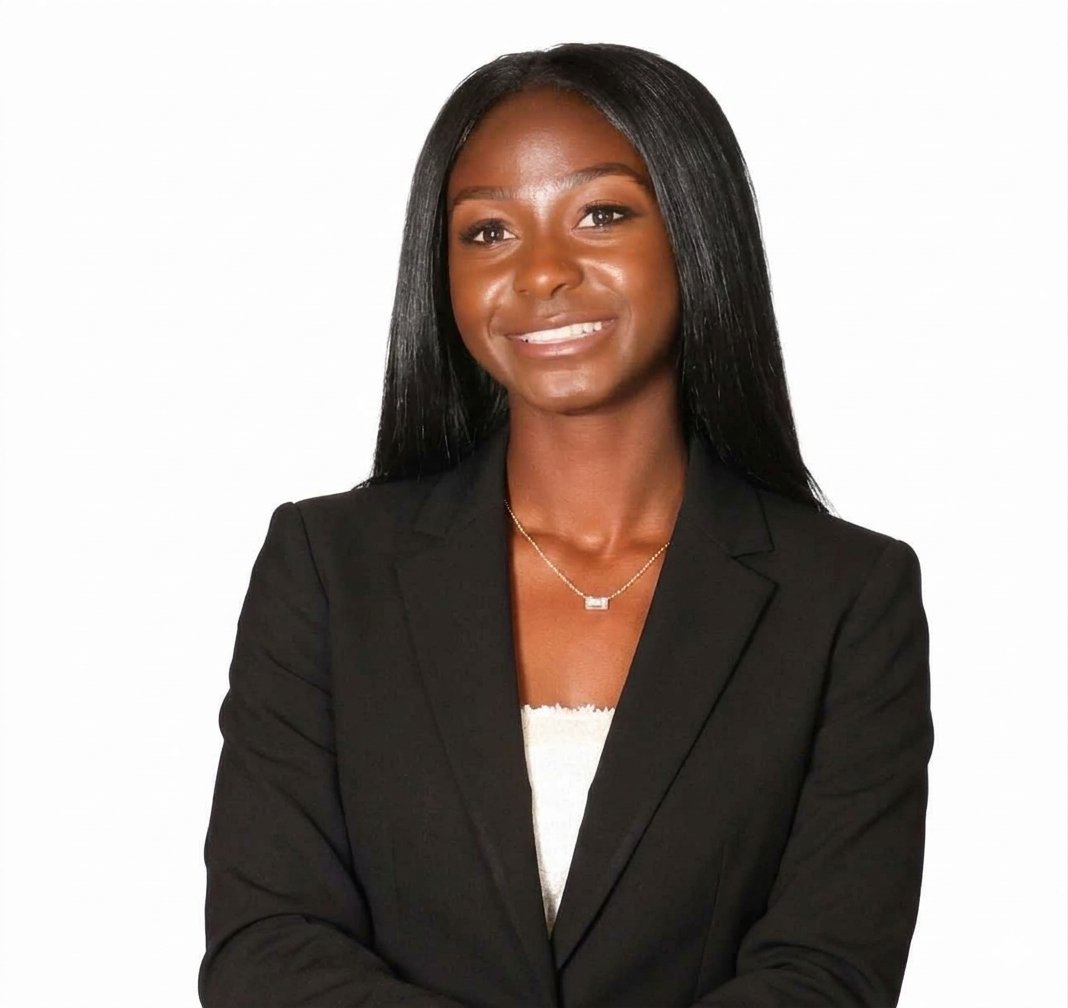
Samari White
Baltimore, Maryland
The Importance of Responsible Driving
Some childhood memories stay with us because of how unexpectedly they change our lives. One of mine is being involved in a car accident with my mom when I was very young. Another driver was speeding, causing the car to flip over. The accident happened shortly before my pre-kindergarten dance performance, something I had been looking forward to with so much excitement. Instead of standing on stage and performing with my classmates, I spent that time in the hospital. Afterward, I had to wear a neck brace for a while. At an age when I should have been focused on childhood milestones and exciting new experiences, I was instead learning how quickly an ordinary day could become something completely different.
Although I was young, certain parts of that experience have stayed with me. When I finally returned to school, neck brace and all, I was met with something I will never forget. The children and staff in my extended-day program had all signed a huge get-well card for me. It was filled with messages from people who wanted me to know they were thinking about me and wishing me well. I kept that card until fifth grade. To some people, it might have seemed like a simple gesture, but to me, it represented an entire community coming together to show kindness and support. I was reminded that even during difficult and unexpected circumstances, the people around us can make a tremendous difference.
Looking back, I realize that the accident taught me something about driving that I could not have fully understood at that age. The decision of one driver to speed had consequences that reached far beyond that person's vehicle. It affected my mother, me, and the experiences we were supposed to have that day. It also created a memory that I would carry with me for years. This is why I believe conversations about driving-related deaths should go beyond statistics. Every number represents a person with a family, friends, responsibilities, and a life that matters. Behind every accident is a possibility that someone's ordinary day may never be the same.
Driver education plays an important role in preventing these experiences because learning to drive should involve much more than learning how to operate a vehicle. It should teach people to understand the responsibility they accept when they get behind the wheel. Drivers need to recognize how quickly situations can change and how their decisions affect everyone sharing the road. Understanding speed limits, traffic signs, right-of-way rules, and road conditions is important, but so is developing the judgment to make safe decisions when faced with distractions, pressure, or unexpected situations. Education can help drivers understand that speeding is not simply breaking a rule; it is putting other people's safety at risk. When people understand the potential consequences of their actions, they may be more likely to approach driving with caution and consideration.
Reducing the number of driving-related deaths requires a combination of education, personal accountability, and community involvement. First, driver education should be accessible and thorough, especially for young and inexperienced drivers. People should learn not only the rules of the road but also why those rules exist. Second, drivers must make responsible choices by obeying speed limits, wearing seat belts, avoiding distractions, and never driving under the influence. Third, communities and schools can help by making road safety an ongoing conversation rather than something discussed only during driver's education courses. Public awareness campaigns, school presentations, and community programs can remind people that safe driving is a shared responsibility. Finally, traffic laws must be taken seriously. Rules are put in place to protect people, and consistently holding drivers accountable can help reinforce the importance of following them.
My experience also influences the kind of driver and passenger I hope to be. I want to approach driving with patience, awareness, and respect for the people around me. I can become a safer driver by following traffic laws, maintaining a safe speed, wearing my seat belt, keeping my attention on the road, and refusing to let distractions interfere with my decisions. I also recognize that being responsible does not end with my own behavior. I can encourage friends and family members to make safe choices, remind them of the dangers of speeding or distracted driving, and speak up when I feel that someone's actions could put others in danger. Even as a passenger, I can make responsible decisions by wearing my seat belt and not encouraging a driver to take unnecessary risks.
Ultimately, I believe safer roads begin with recognizing that we are responsible for more than ourselves. We share the road with people who have places to go, families waiting for them, and experiences they are looking forward to. I think about how excited I was for my dance performance and how that excitement turned into an unexpected hospital visit. I also think about the people in my extended-day program who made me feel remembered and supported when I returned to school. That enormous card remains one of my most meaningful childhood memories, not because of the accident itself, but because it showed me the impact people can have on one another.
I cannot change what happened when I was a child, but I can allow that experience to shape how I understand responsibility today. I hope to carry that lesson into every decision I make behind the wheel and encourage others to do the same. Responsible driving is about more than avoiding tickets or following rules because we are required to. It is about valuing human life enough to make thoughtful decisions, even when no one is watching. One person's decision to speed changed an ordinary day in my childhood. I hope that by sharing my experience, I can remind others that the choices they make on the road matter, and that protecting someone's life is always more important than arriving a few minutes sooner.
Content Disclaimer:
Essays are contributed by users and represent their individual perspectives, not those of this website.