The Importance of Safe Driving
2026 Driver Education Round 1
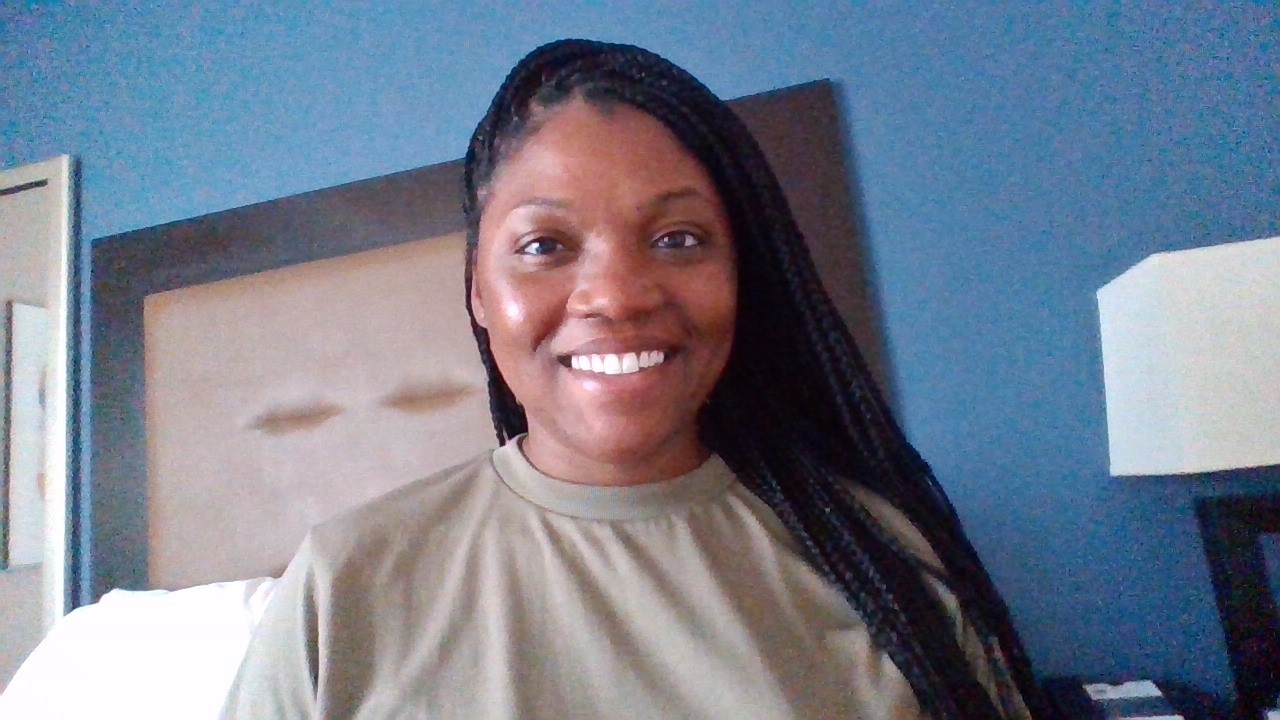
Denesha Poindexter
San Antonio, TX
The Importance of Driver Education and Safe Driving Habits
Every time we get behind the wheel, we make choices that affect not only our own lives but also the lives of everyone around us. Driving is something many people do every day without thinking twice about it, yet it is one of the greatest responsibilities we have. A single distracted moment or poor decision can lead to injuries, lifelong disabilities, or even death. That is why driver education is so important. It teaches people the skills, knowledge, and judgment needed to drive safely while helping them understand that driving is a privilege that should never be taken for granted.
Driver education is about much more than learning how to steer a car or pass a driving test. It teaches new drivers how to recognize hazards, react calmly in emergencies, understand traffic laws, and make responsible decisions. It also emphasizes the importance of wearing seat belts, maintaining safe following distances, avoiding distractions, and driving defensively. These lessons create habits that can stay with drivers for years. When people understand the risks associated with speeding, distracted driving, impaired driving, and fatigue, they are more likely to think twice before making dangerous choices.
Reducing the number of deaths related to driving requires effort from everyone. One of the biggest steps people can take is to eliminate distractions behind the wheel. Cell phones have become one of the leading causes of distracted driving because even looking down for a few seconds can have devastating consequences. Drivers should also avoid driving under the influence of alcohol or drugs, obey speed limits, wear seat belts every time they travel, and never drive while excessively tired. Communities can also help by investing in driver education programs, enforcing traffic laws consistently, improving road safety, and continuing public awareness campaigns that remind people of the real consequences of reckless driving.
I have seen friends and family members make unsafe choices while driving. Whether it was checking a phone while behind the wheel, speeding because they were running late, or becoming distracted during a conversation, those moments reminded me how easy it is for someone to underestimate the dangers of driving. Although nothing serious happened in those situations, they made me realize that accidents often happen when people believe they are in complete control. Unfortunately, many crashes occur because someone assumed they could respond quickly enough or believed that "it won't happen to me." Those experiences reinforced the importance of staying focused every time I drive.
As someone who has served in the military and worked in healthcare, I have learned that preparation and responsibility save lives. In both environments, paying attention to details and following safety procedures can make the difference between a positive outcome and a tragedy. I carry that same mindset when I am driving. I understand that being responsible behind the wheel is another way of protecting the people around me. Whether I am driving to work, traveling to see family, or simply running errands, I know that my decisions affect other drivers, passengers, bicyclists, and pedestrians.
I can continue becoming a safer driver by making a conscious effort to remove distractions before I even start my vehicle. I keep my phone out of my hands, allow myself enough travel time so I do not feel pressured to speed, and stay alert to changing traffic conditions. I also recognize the importance of regular vehicle maintenance because safe brakes, properly inflated tires, and working lights help prevent accidents. If I ever feel too tired to drive safely, I know it is better to stop and rest than to risk falling asleep behind the wheel.
Helping others become safer drivers is equally important. Sometimes the most effective way to influence people is by setting a positive example. Family members and friends notice when someone consistently wears a seat belt, follows speed limits, and refuses to use a phone while driving. I also believe it is important to speak up when someone is about to make an unsafe decision, even if it feels uncomfortable. Encouraging someone to put their phone away, slow down, or arrange another ride after drinking could prevent a life-changing accident. Those conversations may seem small, but they have the potential to save lives.
Driver safety is not just the responsibility of new drivers. Even experienced drivers can develop bad habits over time or become overconfident. Continuing to educate ourselves, staying aware of changing traffic laws, and regularly reflecting on our own driving habits can make everyone safer. Every safe decision contributes to protecting our communities and reducing preventable tragedies on our roads.
In the end, driver education provides people with the knowledge and confidence to make responsible choices, but education alone is not enough. Each person must choose to apply those lessons every time they drive. Safe driving requires patience, focus, and respect for others. By practicing good habits, encouraging those around us to do the same, and remembering that every trip matters, we can help reduce the number of driving-related deaths and make our roads safer for everyone.
Content Disclaimer:
Essays are contributed by users and represent their individual perspectives, not those of this website.