The importance of safe driving
2026 Driver Education Round 2
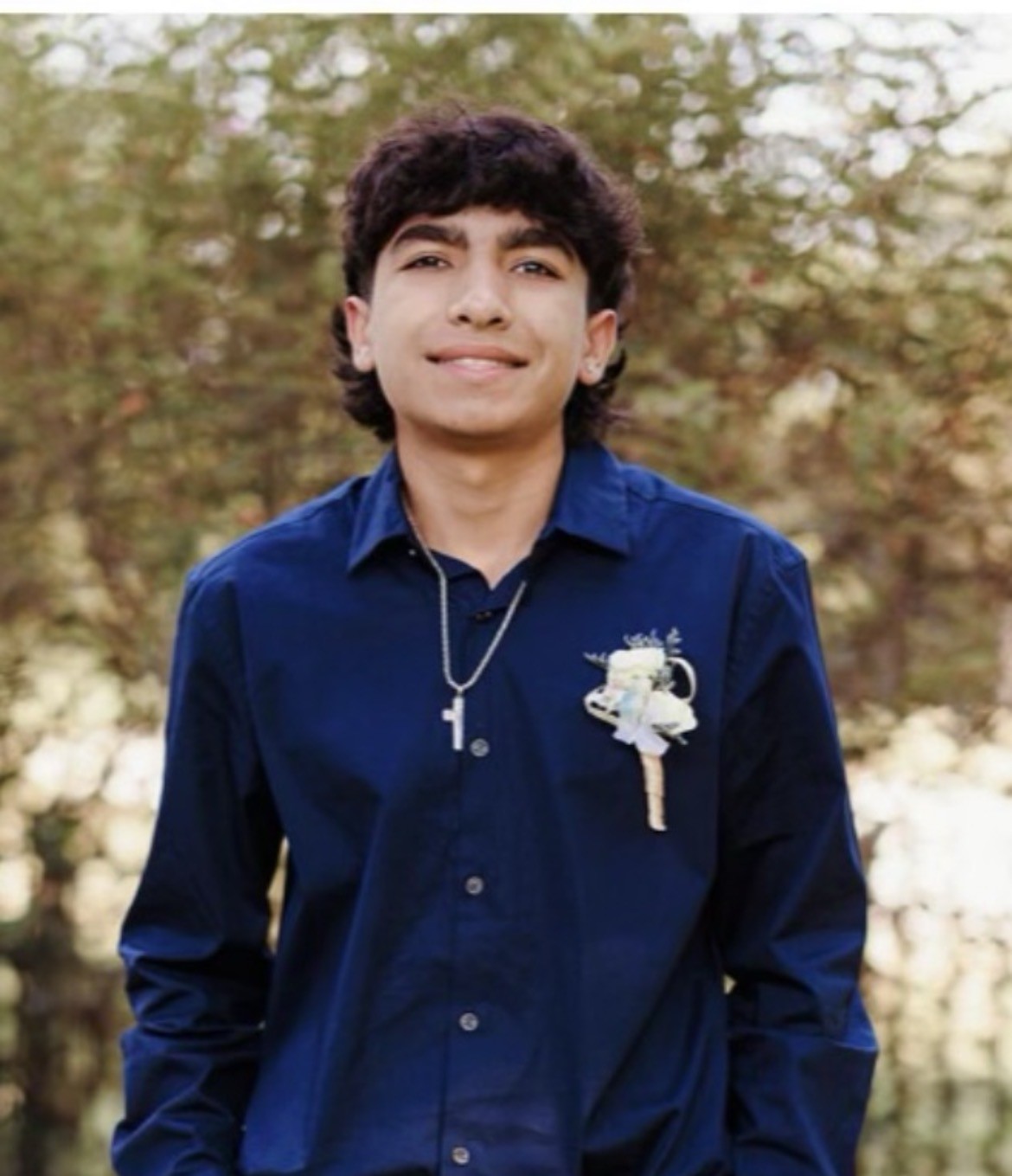
Samuel Galvan
Soddy Daisy, TN
Driving a motor vehicle comes with both responsibility and reward. The ability to travel from one destination to another is a privilege, but it also requires us to consider the people who share the road with us. Every trip is more than a way to reach a destination; it is an opportunity to make thoughtful choices. To me, being a responsible driver means remembering that convenience should never matter more than another person’s safety. Driver education is an important part of that responsibility because it encourages us to recognize hazards, understand the rules of the road, and think carefully about our decisions behind the wheel.
News reports often describe fatal crashes involving alcohol, drugs, or other avoidable causes. Hearing about these situations reminds me that the consequences of a driving decision can reach far beyond the driver. However, not every death on the road results from a person’s careless actions; medical emergencies and natural disasters can also play a role. I cannot control every circumstance I might encounter, but I can take responsibility for my own behavior. Rather than treating driver education as something to complete and forget, I want to approach it as a foundation for habits that I continue to practice throughout my life.
Putting those habits into practice begins with staying focused. Avoiding texting while driving is an important part of that commitment. Before starting a trip, I can set up my phone so I do not need to handle it while driving. I want to remind myself that a message can wait and that the road deserves my attention. Just as importantly, I can commit to never driving while impaired. This commitment should not depend on whether a trip seems short or familiar. I also want to encourage friends and loved ones to make the same responsible choice when deciding how to get home.
Helping others stay safe also means speaking up and offering an alternative when someone appears impaired. I can encourage them not to drive and offer to arrange an Uber or another safe ride. I want to approach these conversations with concern rather than judgment, making it clear that my goal is to help them get home safely. Although speaking up may feel uncomfortable, I would rather have a difficult conversation than remain silent about a situation that worries me. By leading by example and promoting safe habits in a positive way, I hope to make responsible choices feel like a shared commitment rather than a criticism.
My commitment to these habits comes from a personal experience with impaired driving. When I was about ten years old, I spent a weekend visiting my grandmother. She took my two cousins and me to a parade, and we had a wonderful day together. None of us knew that the drive home would become a memory we would carry for years.
A man in his twenties who had been drinking at the parade was leaving at the same time we were. He hit my grandmother’s car, damaging it badly and leaving us shaken. Thankfully, we all survived, but the crash showed me how dangerous impaired driving can be.
I still remember the fear in my grandmother’s eyes as she checked on us and the shame on the other driver’s face. That experience shaped the responsible driver I am today. I never want my decision to drive while impaired to cost another person their life or cause an injury.
Looking back, what stays with me is the contrast between the happiness of the parade and the fear that followed. A day that began with family memories became a lesson about responsibility. I do not need to add anything to that experience to understand its importance. Remembering my grandmother checking on us is enough to remind me that passengers place trust in the person behind the wheel. When I drive, I want to honor that trust. My choices should reflect care for the people in my vehicle as well as those I may never meet on the road.
That lesson also motivates me to keep improving as a driver. I can stay informed about the laws designed to protect us, including changes in my state. I can also maintain a safe, reliable vehicle by checking that the headlights, brake lights, and other important safety features work properly.
When I drive at night and see vehicles with no lights on or a broken taillight, I am reminded of how important these checks are. Keeping my own vehicle in good condition is one way I can contribute to safer roads.
For me, improvement means turning these intentions into consistent habits rather than relying on occasional reminders. I want to make time to learn about changes in driving laws and pay attention to the condition of my vehicle before a problem becomes something I ignore. I also want to reflect honestly on my own choices. Being a responsible driver does not mean assuming that I have nothing left to learn. It means remaining willing to make adjustments and remembering why those adjustments matter. The experience with my grandmother gives these everyday responsibilities a personal meaning that I do not want to lose.
Beyond improving my own driving habits, I can help others drive safely by leading by example and speaking up when I notice a safety concern. Staying silent or looking away from a dangerous situation does not create change. I want to encourage someone to choose an Uber instead of driving drunk and, most importantly, help prevent someone from becoming a victim of reckless driving.
Content Disclaimer:
Essays are contributed by users and represent their individual perspectives, not those of this website.