The Lessons My Uncle Mitch Left Behind
2026 Driver Education Round 1
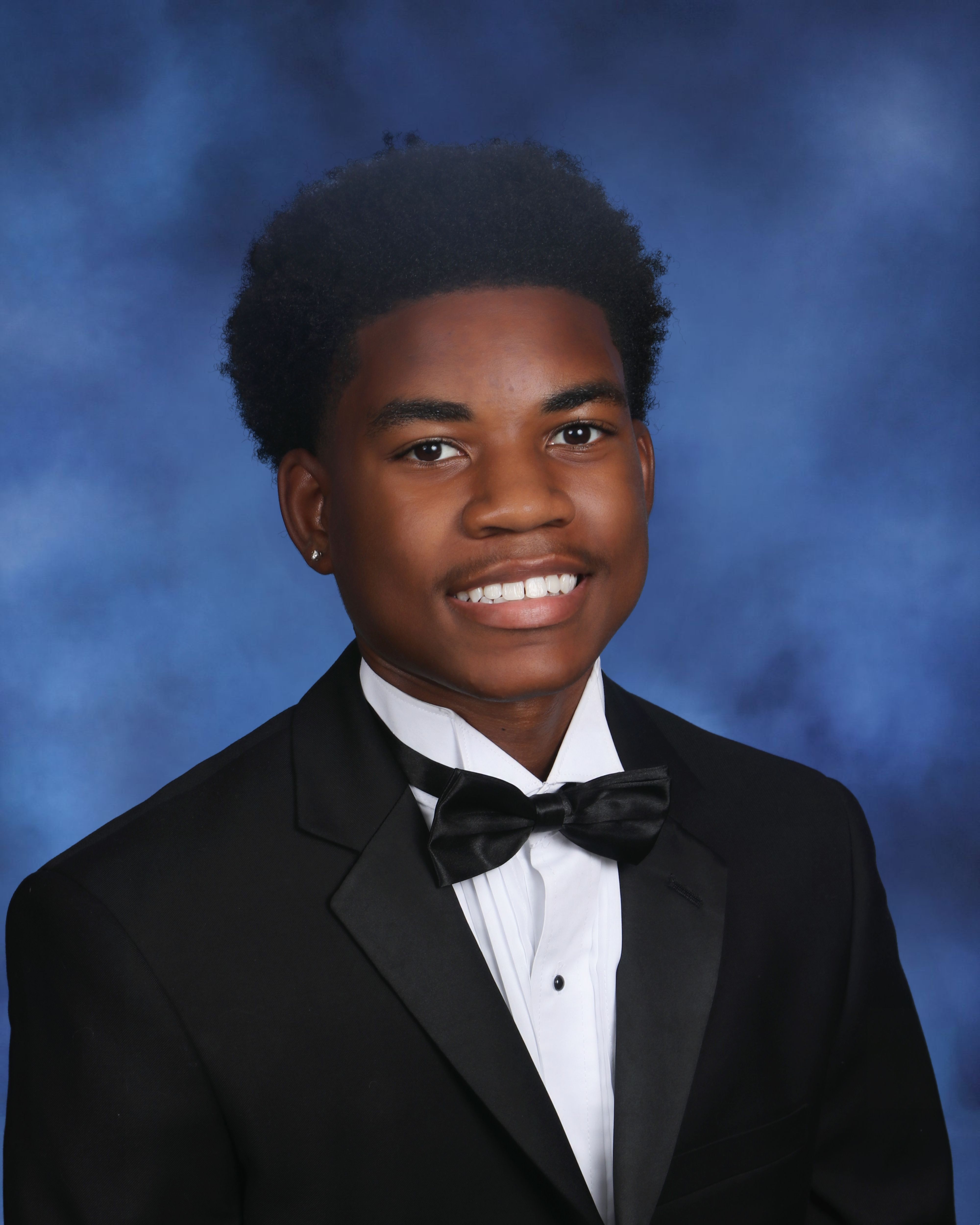
Aaron Aldred
Laurel, MD
Every time I sit behind the wheel of a car, I think about my Uncle Mitch. For many teenagers like myself, driving is exciting because it means freedom, independence, and the ability to go places on your own. While I feel that excitement too, driving means something more to me. It reminds me of how quickly life can change and how important it is to stay safe on the road.
My Uncle Mitch left home one day expecting to come back, just like any other day. Unfortunately, he never did. He died in a devastating car accident while driving home by himself. He was young like me, and no one in my family saw it coming. One moment he was here, making memories with family and friends, and the next he was gone. His death shocked everyone who knew him including the way he died, in a car accident by himself five minutes from home. Even though I was younger when it happened, his story has stayed with me and continues to influence the way I think about driving today.
As I have gotten older and earned the privilege of driving, I have started to understand the weight of being in the driver's seat. Driving is not just about getting from one place to another. It is about making responsible decisions every second you are on the road. When I turn the key, put the car in gear, and pull onto the street, I know that my actions affect not only me but also my passengers, other drivers, pedestrians, and families waiting for their loved ones to come home.
Thinking about my uncle has taught me that accidents do not only happen to careless people. Sometimes people leave home expecting a normal day and never get the chance to return. That reality reminds me that driving should never be taken for granted. It only takes a few seconds of distraction for something terrible to happen.
One lesson I have learned is the importance of avoiding distractions. Today, many drivers are tempted to look at text messages, check social media notifications, change music, or answer phone calls while driving. These tasks may seem harmless, but they take your attention away from the road. Looking at a phone for just a few seconds can be enough time to miss a stop sign, drift into another lane, or fail to see a pedestrian crossing the street. Because of what happened to my uncle, I make it a priority to put my phone away and focus completely on driving even when my mom or best friend is calling.
The Virginia Department of Motor Vehicles reminds teens that, "The freedom of driving is exciting for teens, but it is also serious business." Those words are meaningful to me because they perfectly describe what driving really is. It is exciting, but it also comes with responsibilities. Teen drivers can protect themselves by always wearing a seatbelt, obeying speed limits, maintaining a safe following distance, and keeping their full attention on the road. The DMV also encourages teens to speak up when they see unsafe driving behaviors because one conversation can save a life.
Another reason driver education is so important is that it teaches young drivers how to recognize dangers before they become accidents. Driver education is not just about learning how to steer, park, or pass a driving test. It teaches defensive driving skills, how to react to unexpected situations, and how weather, traffic, and distractions can affect driving. It also teaches the dangers of speeding, driving under the influence, and using a phone behind the wheel. Knowledge like this helps drivers make better decisions and can reduce the number of injuries and deaths on the road. The more prepared drivers are before they get behind the wheel, the safer everyone will be.
I have also learned the importance of wearing a seatbelt every time I get into a vehicle. It takes only a few seconds to buckle up, but it can save a life. I never assume that a short drive means I can skip basic safety precautions. Whether I am driving five minutes down the road or taking a longer trip, I wear my seatbelt because I know how valuable life is.
Another important lesson is to never let friends pressure you into unsafe decisions. Teen drivers often face distractions from passengers, loud music, or the desire to show off. I have learned that it is okay to slow down, ignore peer pressure, and focus on driving safely. A good driver is not someone who drives fast. A good driver is someone who gets everyone home safely.
I also believe that helping friends become safer drivers is an important responsibility. If I see a friend texting while driving, speeding, or driving carelessly, I would rather speak up than stay silent. Sometimes a simple reminder to put a phone away, slow down, or buckle up can make a big difference. I can also set a positive example by following traffic laws and making safety my priority whenever I drive. Safe habits can influence others. When friends see responsible behavior, they are more likely to make responsible choices themselves. Looking out for each other can help prevent accidents and save lives.
Speeding is another danger that many drivers ignore. Some people speed because they are running late, while others do it because they enjoy driving fast. However, speeding reduces reaction time and increases the severity of accidents. A few extra minutes are never worth risking a life. Whenever I am driving, I remind myself that arriving safely is more important than arriving quickly.
My uncle's accident also made me realize how many people are affected when a life is lost. The tragedy did not only impact him. It affected my entire family. Holidays, birthdays, and family gatherings are reminders that he should still be here. There are stories he never got to finish writing and memories he never got the chance to create. The people who loved him still feel that loss today. Thinking about that makes me understand that every decision behind the wheel matters.
Being a safe driver means more than following traffic laws. It means staying alert, watching out for others, and making smart choices even when no one is watching. It means not driving while tired, distracted, or under pressure. It means taking responsibility for the lives around you.
Every time I drive, I carry my uncle's memory with me. His story reminds me that driving is a privilege, not a right. It reminds me to slow down, stay focused, and appreciate how precious life is. Most importantly, it reminds me that every person on the road has family and friends who want them to make it home safely.
Being in the driver's seat is about more than controlling a car. It is about making choices that protect lives. Because of what happened to my Uncle Mitch, I understand the importance of safe driving in a very personal way. His loss has taught me to take driving seriously, and I hope his story encourages others to do the same. Every time I get behind the wheel, I do my best to honor his memory by driving responsibly and making sure I return home safely to the people who love me
My Uncle Mitch left home one day expecting to come back, just like any other day. Unfortunately, he never did. He died in a devastating car accident while driving home by himself. He was young like me, and no one in my family saw it coming. One moment he was here, making memories with family and friends, and the next he was gone. His death shocked everyone who knew him including the way he died, in a car accident by himself five minutes from home. Even though I was younger when it happened, his story has stayed with me and continues to influence the way I think about driving today.
As I have gotten older and earned the privilege of driving, I have started to understand the weight of being in the driver's seat. Driving is not just about getting from one place to another. It is about making responsible decisions every second you are on the road. When I turn the key, put the car in gear, and pull onto the street, I know that my actions affect not only me but also my passengers, other drivers, pedestrians, and families waiting for their loved ones to come home.
Thinking about my uncle has taught me that accidents do not only happen to careless people. Sometimes people leave home expecting a normal day and never get the chance to return. That reality reminds me that driving should never be taken for granted. It only takes a few seconds of distraction for something terrible to happen.
One lesson I have learned is the importance of avoiding distractions. Today, many drivers are tempted to look at text messages, check social media notifications, change music, or answer phone calls while driving. These tasks may seem harmless, but they take your attention away from the road. Looking at a phone for just a few seconds can be enough time to miss a stop sign, drift into another lane, or fail to see a pedestrian crossing the street. Because of what happened to my uncle, I make it a priority to put my phone away and focus completely on driving even when my mom or best friend is calling.
The Virginia Department of Motor Vehicles reminds teens that, "The freedom of driving is exciting for teens, but it is also serious business." Those words are meaningful to me because they perfectly describe what driving really is. It is exciting, but it also comes with responsibilities. Teen drivers can protect themselves by always wearing a seatbelt, obeying speed limits, maintaining a safe following distance, and keeping their full attention on the road. The DMV also encourages teens to speak up when they see unsafe driving behaviors because one conversation can save a life.
Another reason driver education is so important is that it teaches young drivers how to recognize dangers before they become accidents. Driver education is not just about learning how to steer, park, or pass a driving test. It teaches defensive driving skills, how to react to unexpected situations, and how weather, traffic, and distractions can affect driving. It also teaches the dangers of speeding, driving under the influence, and using a phone behind the wheel. Knowledge like this helps drivers make better decisions and can reduce the number of injuries and deaths on the road. The more prepared drivers are before they get behind the wheel, the safer everyone will be.
I have also learned the importance of wearing a seatbelt every time I get into a vehicle. It takes only a few seconds to buckle up, but it can save a life. I never assume that a short drive means I can skip basic safety precautions. Whether I am driving five minutes down the road or taking a longer trip, I wear my seatbelt because I know how valuable life is.
Another important lesson is to never let friends pressure you into unsafe decisions. Teen drivers often face distractions from passengers, loud music, or the desire to show off. I have learned that it is okay to slow down, ignore peer pressure, and focus on driving safely. A good driver is not someone who drives fast. A good driver is someone who gets everyone home safely.
I also believe that helping friends become safer drivers is an important responsibility. If I see a friend texting while driving, speeding, or driving carelessly, I would rather speak up than stay silent. Sometimes a simple reminder to put a phone away, slow down, or buckle up can make a big difference. I can also set a positive example by following traffic laws and making safety my priority whenever I drive. Safe habits can influence others. When friends see responsible behavior, they are more likely to make responsible choices themselves. Looking out for each other can help prevent accidents and save lives.
Speeding is another danger that many drivers ignore. Some people speed because they are running late, while others do it because they enjoy driving fast. However, speeding reduces reaction time and increases the severity of accidents. A few extra minutes are never worth risking a life. Whenever I am driving, I remind myself that arriving safely is more important than arriving quickly.
My uncle's accident also made me realize how many people are affected when a life is lost. The tragedy did not only impact him. It affected my entire family. Holidays, birthdays, and family gatherings are reminders that he should still be here. There are stories he never got to finish writing and memories he never got the chance to create. The people who loved him still feel that loss today. Thinking about that makes me understand that every decision behind the wheel matters.
Being a safe driver means more than following traffic laws. It means staying alert, watching out for others, and making smart choices even when no one is watching. It means not driving while tired, distracted, or under pressure. It means taking responsibility for the lives around you.
Every time I drive, I carry my uncle's memory with me. His story reminds me that driving is a privilege, not a right. It reminds me to slow down, stay focused, and appreciate how precious life is. Most importantly, it reminds me that every person on the road has family and friends who want them to make it home safely.
Being in the driver's seat is about more than controlling a car. It is about making choices that protect lives. Because of what happened to my Uncle Mitch, I understand the importance of safe driving in a very personal way. His loss has taught me to take driving seriously, and I hope his story encourages others to do the same. Every time I get behind the wheel, I do my best to honor his memory by driving responsibly and making sure I return home safely to the people who love me
Content Disclaimer:
Essays are contributed by users and represent their individual perspectives, not those of this website.

What steps can you take to be a better and safer driver as well as help others become safer on the road?
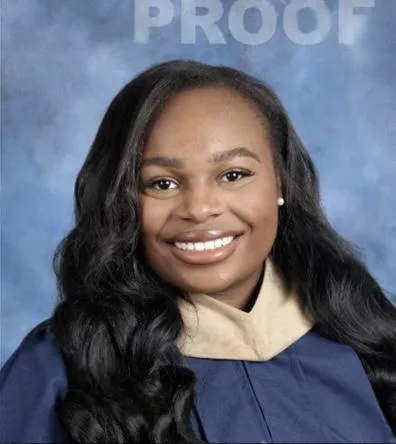
Makaylah Yarn