The People Waiting At Home
2026 Driver Education Round 2
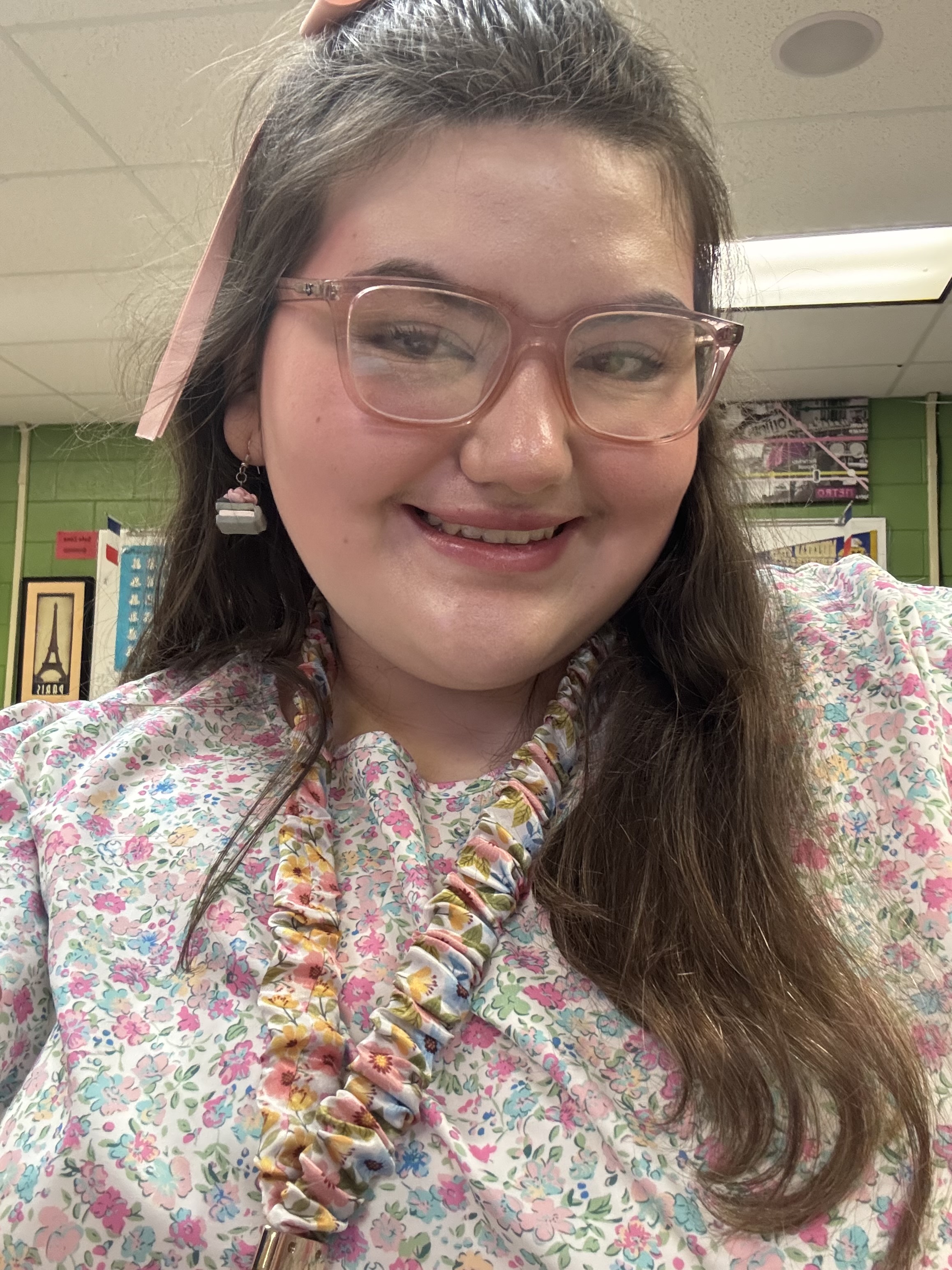
Gabrielle Baize
Morehead, Kentucky
Your mom sends you a text while you are driving. You look down for a second to see what she said. Maybe she is asking when you will be home or reminding you to do something. You answer because it seems harmless. It only takes a moment. But what if, during those few seconds, you put someone else’s mother in danger? What if the person driving beside you is someone’s dad, and his family is waiting for him to walk through the front door that evening?
We think about the people waiting for us when we get behind the wheel, but I wonder how often we think about the people waiting for everyone else.
I think one of the biggest problems with driving is how normal we have made it. We get in the car, turn on the radio, buckle our seat belts, and go wherever we need to be. We do it so often that we sometimes forget how much responsibility comes with it. Most people do not get into a car expecting something terrible to happen. They expect to make it to school, work, or home just like they did yesterday. I think that is part of why driving deserves more respect than we sometimes give it.
I am still learning to drive, and I would be lying if I said I wasn’t a little nervous. I know that getting my license will mean more independence, and I look forward to that. But I also know that driving is not something I want to take lightly. I hear people talk about how comfortable they are behind the wheel or how they have been driving for years without an accident. I understand that experience matters, but I don’t think anyone should ever become so comfortable that they stop being careful. Just because something has never happened to you does not mean it cannot happen tomorrow.
I have also seen how a driving decision can affect people long after the actual accident is over. My friend’s dad was hit by a drunk driver. When my friend and I graduate, her dad will not be there to watch her walk across the stage and clap for her. That is something I keep coming back to. Graduation is supposed to be one of those moments when you look out into the crowd and find the people who helped you get there. I cannot imagine what it feels like to know someone who should be there will be missing.
I am not sharing her experience because I think I can understand exactly what she has gone through. I can’t. I am sharing it because it has made the consequences of reckless driving much harder for me to overlook. When people talk about drunk driving, it can sound like another warning we have heard a hundred times. But when I think about my friend graduating without her dad there, it stops being just a warning. It becomes a real person and a real family living with the consequences of someone else’s decision.
According to the National Highway Traffic Safety Administration, 39,254 people died in motor vehicle crashes in the United States in 2024. That number is difficult to even picture. It averages more than 100 people every day. Speeding contributed to 11,288 of those deaths, and distracted driving was involved in another 3,208. I think we sometimes read statistics like these without really stopping to consider them. We see a number, feel bad for a moment, and move on. But those people had plans for the next day. They had people to call, places to go, and families who expected to see them again. None of them were just statistics to the people who loved them.
Speeding is something I wish more young drivers would take seriously. I understand that nobody likes being late, and sometimes people just want to get where they are going. But being a few minutes behind schedule is not a good reason to drive recklessly. I also think there is a tendency among teenagers to believe that being confident behind the wheel means being a good driver. Sometimes people take risks because they think they can handle them or because they want to impress their friends. I don’t think we should judge every young driver as irresponsible, but I do think we need to be honest about how dangerous overconfidence can be. Having a license does not mean we know everything, and being lucky enough to avoid an accident does not mean we have been making good decisions.
Distracted driving is another example. My generation has grown up with phones being a part of almost everything we do. We check messages without thinking, respond to notifications, and feel like we need to know what is happening all the time. I understand how easy it is to think that looking down for a second will not matter. But that second matters to the person in front of you, the person crossing the road, and the person driving in the opposite lane. If my mom sends me a message, she can wait until I get home. I would rather have her wait for a reply than have another family wait for someone who is never coming back.
Growing up in Rowan County, Kentucky, has also made me think about the importance of safe driving in a different way. In rural communities like ours, having a way to get somewhere is often a necessity. People drive to school, work, doctor’s appointments, grocery stores, and just about everywhere else. Rural roads can have challenges of their own, and many of us travel the same routes so often that we stop paying attention to how quickly conditions can change. A familiar road is not automatically a safe road. There is always a reason to pay attention, even when we think we know exactly where we are going.
I think driver education should be about more than learning road signs, passing a test, and knowing what to do at a stop sign. Those things matter, of course, but I also think young drivers need to understand why the rules matter. We need to talk about the families affected by accidents and the decisions that can prevent them. We need to understand that putting away a phone, slowing down, wearing a seat belt, and never driving impaired are not inconvenient rules. They are ways of respecting the lives of other people.
As I continue learning to drive, I know I will make mistakes along the way. I am not claiming that I will be a perfect driver. What I can promise myself is that I will not treat driving casually. I want to be the kind of driver who would rather arrive a few minutes late than take an unnecessary risk. I want to remember that I am sharing the road with people whose lives matter just as much as mine.
I hope other teenagers start thinking about driving this way, too. I don’t think most people set out to hurt someone. Sometimes they simply do not stop to think about what could happen. That is exactly why these conversations are important. We should not have to know someone who has been affected by an accident before we decide to take driving seriously.
When graduation comes, I will be walking across the stage with my friend. I know there will be parents in the audience cheering, taking pictures, and celebrating everything their children have accomplished. I will probably look out into the crowd and see my own family. But I will also think about my friend and the fact that her dad will not be there to clap for her. I wish that were not something she had to experience, and I wish more drivers understood that their choices can affect moments like that.
I am still learning what it means to be a driver, but I already know what kind of driver I want to become. I want to remember that every person on the road has somewhere to be and someone who loves them. I want to remember that the person in the other car is not just another vehicle passing by. They are someone’s whole world, just as the people in my life are mine. The message can wait. The people waiting at home cannot.
Content Disclaimer:
Essays are contributed by users and represent their individual perspectives, not those of this website.