The Responsibility Behind the Wheel: One Decision Can Save a Life
2026 Driver Education Round 2
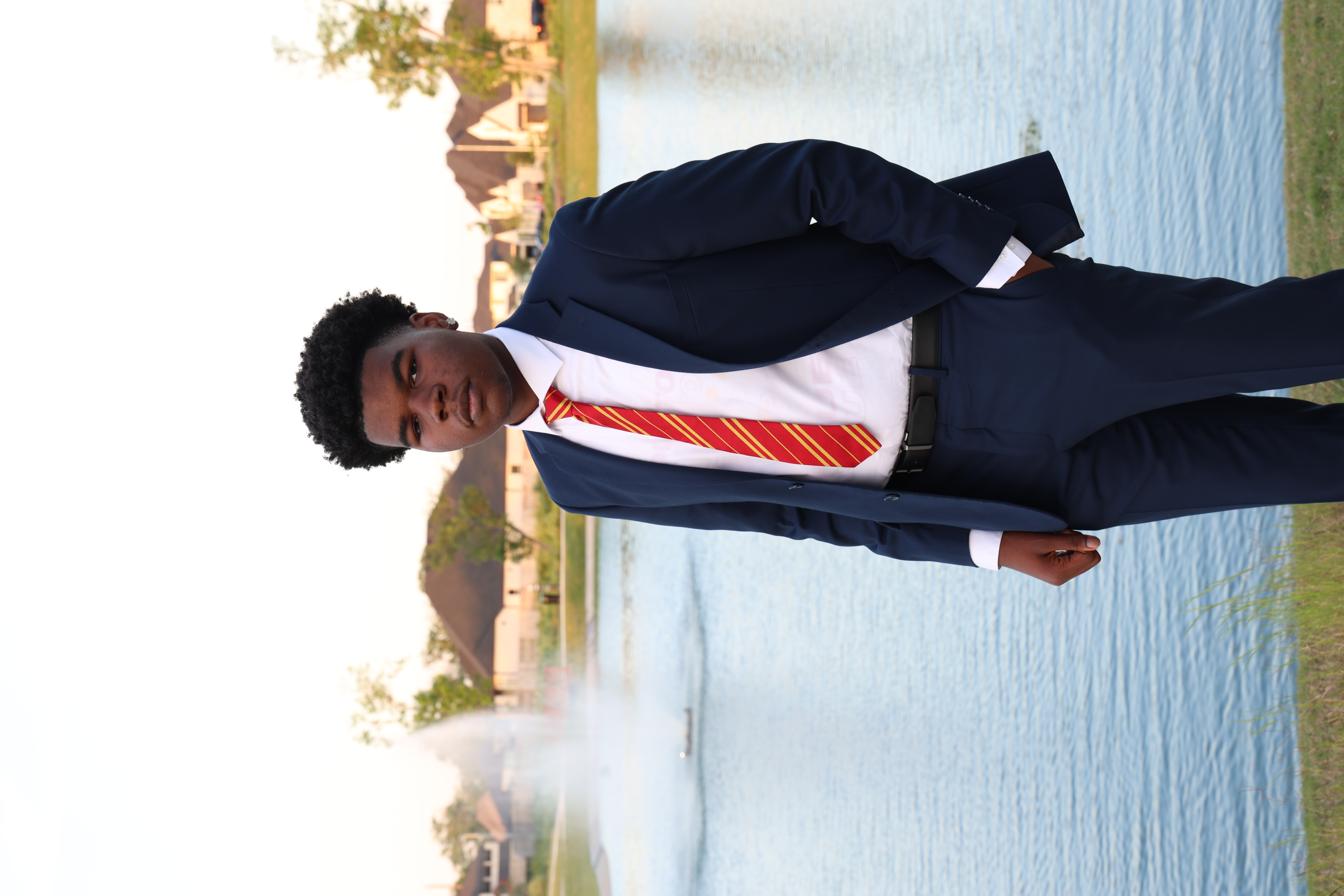
Keon Murry
Missouri, Texas
Driving is often viewed as a symbol of freedom and independence. It allows people to travel to school, go to work, visit family, and explore opportunities without depending on someone else for transportation. However, driving also comes with a responsibility that is much greater than simply knowing how to operate a vehicle. Every time someone gets behind the wheel, they become responsible not only for their own safety but also for the lives of passengers, pedestrians, cyclists, and other drivers. A single careless decision can have consequences that last a lifetime. This is why driver education, responsible decision-making, and safe driving habits are essential to reducing the number of deaths caused by motor vehicle accidents.
Driver education is important because knowing how to drive and knowing how to drive safely are two different things. A person might understand how to accelerate, brake, turn, and follow traffic signals, but that does not automatically mean they are prepared to handle every situation on the road. Driver education teaches people how to recognize potential dangers, understand traffic laws, maintain a safe following distance, respond to unexpected situations, and make responsible decisions under pressure. It also helps new drivers understand that road safety requires constant attention and good judgment.
One of the most important lessons driver education can teach is that many accidents are preventable. According to the National Highway Traffic Safety Administration, 11,288 people lost their lives in speeding-related traffic crashes in 2024. Speeding was a contributing factor in 29 percent of all traffic fatalities that year. These numbers demonstrate how a decision that might seem small, such as driving faster than the posted speed limit, can have devastating consequences. Speeding reduces the amount of time a driver has to react to unexpected situations and makes it more difficult to control a vehicle. Through proper education, drivers can learn that arriving a few minutes earlier is never worth putting someone's life at risk.
Driver education also helps address other dangerous behaviors, including distracted driving, impaired driving, aggressive driving, and failing to wear seat belts. Cell phones are especially concerning because people sometimes underestimate how much attention they require. Reading a message, checking a notification, or responding to a phone call can take a driver's attention away from the road at exactly the wrong moment. Even a few seconds of distraction can be enough for a vehicle to drift into another lane or fail to stop in time. Education helps drivers recognize these risks before they develop into dangerous habits.
Reducing driving-related deaths requires more than driver education alone. It requires individual responsibility, family guidance, community awareness, and consistent enforcement of traffic laws. First, every driver should make wearing a seat belt a nonnegotiable habit. Seat belts provide important protection in the event of a collision, and both drivers and passengers should use them regardless of how short the trip may be. Second, drivers must avoid using their phones while operating a vehicle. Putting a phone away, activating its Do Not Disturb feature, or allowing a passenger to handle necessary communication can prevent unnecessary distractions.
Another important step is eliminating impaired driving. No one should operate a vehicle after consuming alcohol or using substances that affect judgment, coordination, or reaction time. Drivers should also avoid getting behind the wheel when they are extremely tired. Fatigue can reduce alertness and make it difficult to respond quickly to changing road conditions. Additionally, drivers should obey speed limits, maintain safe distances, use turn signals, check blind spots, and remain patient with other people on the road. Communities and schools can contribute by promoting road-safety education, organizing awareness campaigns, and encouraging young people to take driver training seriously. Parents and experienced drivers also have an important role because younger drivers often learn by observing the behavior of the adults around them.
Although I have not personally experienced a car accident, I recognize that I do not need to be involved in a tragedy before understanding how serious road safety is. I also do not want to assume that an accident is something that only happens to other people. Anyone can become a victim of an unsafe driving decision, even when they are following the rules themselves. A responsible driver must remember that sharing the road means sharing responsibility. It is not enough to be careful only when someone is watching or when driving conditions seem dangerous. Safe behavior must become a consistent habit.
As I prepare for the responsibilities that come with adulthood, I want to approach driving with the same mindset I try to apply to other areas of my life: preparation, discipline, and consideration for others. I understand that becoming a good driver will require more than passing a written examination or demonstrating that I can operate a vehicle. I will need to take driver education seriously, learn from qualified instructors, practice under appropriate supervision, and remain open to correction. I will make an effort to understand traffic signs, right-of-way rules, defensive driving techniques, and the importance of adjusting my driving to weather, traffic, and road conditions.
I also want to establish habits that protect both myself and others. I will never text or browse on my phone while driving because one message can wait, but a life cannot. I will wear my seat belt, respect speed limits, avoid driving when tired or impaired, and refuse to let pressure from passengers influence my decisions. If I am ever in a situation where I do not feel safe to drive, I will recognize that asking for help or finding another way home is a responsible decision, not a sign of weakness.
Becoming a safer driver is only part of the responsibility. I can also encourage others to make better decisions. If friends or family members are driving, I can remind them to put their phones away, wear their seat belts, and avoid speeding. If I am a passenger and notice unsafe behavior, I should speak up respectfully rather than remain silent because I feel uncomfortable. I can also lead by example. People are more likely to take safety seriously when they see others consistently practicing what they encourage. Through conversations, positive reminders, and responsible choices, I can help create an environment where protecting lives is more important than convenience or appearances.
My experiences in community service and mentorship have taught me that making a difference does not always require doing something extraordinary. Sometimes, it begins with recognizing a problem, taking responsibility, and making small decisions that positively affect others. I believe the same principle applies to road safety. Choosing not to speed, refusing to text while driving, wearing a seat belt, or speaking up when someone is behaving irresponsibly may seem like small actions, but each one can help prevent a tragedy.
Ultimately, driving should never be treated as a competition or simply a way to get from one destination to another as quickly as possible. It is a responsibility that requires awareness, patience, and respect for human life. Driver education provides the knowledge needed to make safer decisions, but it is up to each individual to put that knowledge into practice. I want to become a driver who understands that every person on the road has someone waiting for them at home. My goal is not simply to earn the privilege of driving but to deserve the responsibility that comes with it. If more people approached driving with that understanding, we could make our roads safer and help ensure that more people reach their destinations and return home to the people who love them.
Content Disclaimer:
Essays are contributed by users and represent their individual perspectives, not those of this website.