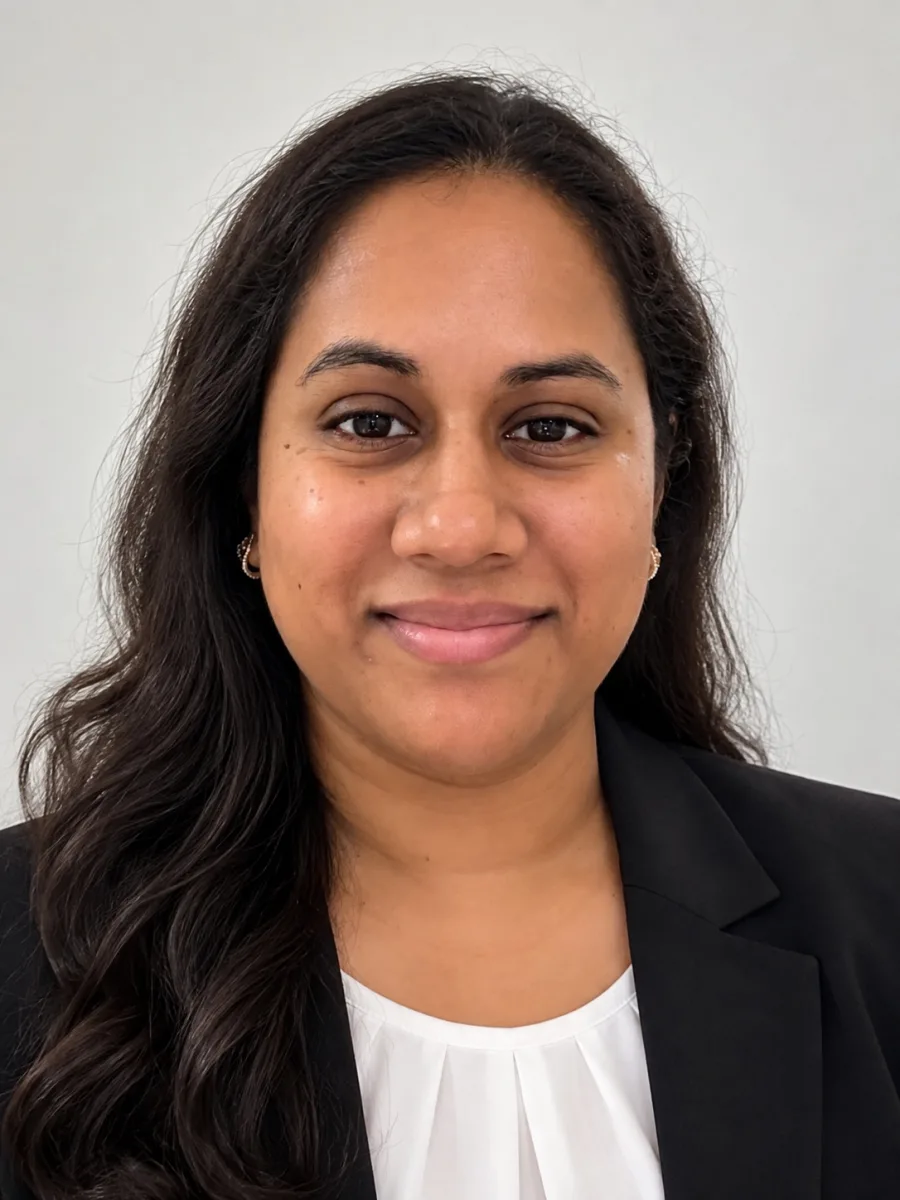
The Responsibility of Being A Driver
2026 Driver Education Round 2

Kyla Risberg
Springfield, MO
Driving is something most people eventually see as a normal part of everyday life. We drive to school, work, stores, sports practices, and to see the people we care about. Because driving is so common, it can be easy to forget how much responsibility comes with being behind the wheel. A driver is not only responsible for their own safety, but also for the lives of everyone else on the road. One distracted decision can change someone’s life forever. Although driving gives people freedom and independence, it also requires attention, patience, and responsibility every time a person gets behind the wheel.
One of the biggest dangers drivers face is distracted driving. Looking at a phone, changing a song, eating, talking to passengers, or even taking your eyes off the road for a few seconds can have serious consequences. It may seem like something small, especially when a driver thinks, “I can look away for just a second.” However, a vehicle can travel a significant distance in that short amount of time. When someone looks down at their phone, they may not see another car stopping, a pedestrian crossing the road, or a sudden change in traffic. What feels like an unimportant moment can be enough to cause a crash.
Phones are especially dangerous because they can take a driver’s attention away from the road in several ways. A driver may look at a notification, respond to a text, check social media, or change a song. Even if they believe they are capable of multitasking, driving requires constant attention. A message can wait, but a dangerous situation on the road cannot. Putting a phone somewhere out of reach or turning on a “Do Not Disturb” setting can help eliminate the temptation to check it. These actions take very little effort, but they can make a major difference.
Distracted driving is not only about phones, though. Passengers can also become a distraction, especially for younger drivers. Talking, joking around, turning around to look at someone in the back seat, or becoming involved in an argument can take a driver’s attention away from the road. Other activities, such as eating or adjusting the radio, can also cause a driver to lose focus. None of these things may seem dangerous by themselves, but when they happen while operating a vehicle, they can create an unnecessary risk.
As a young driver, I have realized that having a driver’s license is more than simply having the freedom to go wherever I want. It means being responsible for my choices every time I get into a car. Getting my license gives me more independence, but it also means that I have to make mature decisions even when no one else is there to tell me what to do. I have to understand that other people on the road are trusting me to make safe decisions. Choosing to put my phone away or wait until I reach my destination to respond to a message may seem inconvenient, but it is worth it when someone’s life could depend on that decision.
Another important part of being a responsible driver is understanding that I cannot always control what other drivers do. Someone else may speed, run a red light, drive while distracted, or make another unsafe decision. I cannot prevent every dangerous situation from happening, but I can control how I respond to it. Paying attention, leaving enough space between cars, following the speed limit, and staying calm can give me more time to react when something unexpected happens. Defensive driving is important because being a safe driver is not only about following the rules when everything is going normally. It is also about being prepared for situations that I cannot predict.
The statistics surrounding driving deaths show just how serious this responsibility is. Thousands of Americans die each year because of crashes, making driving one of the most dangerous things people do on a regular basis. Behind every number is a person with family, friends, and a future that was taken away. It can be easy to look at statistics as just numbers, but every number represents a real person. Someone who died in a crash was someone’s child, sibling, parent, friend, teammate, or classmate. Thinking about driving this way makes it clear that getting somewhere a few minutes faster or answering a text immediately is never worth risking someone’s life.
Driving also affects people who are not even inside the vehicle. A driver’s decisions can affect pedestrians, cyclists, passengers, and other drivers. This means that responsible driving is not just a personal choice. It is something that affects an entire community. When people choose to pay attention and follow the rules of the road, they help create a safer environment for everyone. Even a simple decision, such as waiting to check a notification until arriving at a destination, can help prevent a serious accident.
Being a driver is a privilege, but it is also a responsibility that should never be taken lightly. Every time I get behind the wheel, I have the ability to make choices that could protect myself and the people around me. I cannot control every situation on the road, but I can control whether I am paying attention and making responsible decisions. Driving should never become something I do without thinking. Instead, I should remember the responsibility that comes with having control of a vehicle and the potential consequences of my choices.
Ultimately, being a good driver is about more than knowing how to operate a car. It is about understanding that every decision behind the wheel matters. A phone can wait, a song can wait, and a destination will still be there if I take an extra moment to drive safely. The few seconds it takes to make a responsible choice can make the difference between getting home safely and causing a life-changing accident. As I continue to become more experienced as a driver, I want to remember that having the freedom to drive also means having the responsibility to protect myself and everyone else sharing the road.
Content Disclaimer:
Essays are contributed by users and represent their individual perspectives, not those of this website.