The Responsibility of Being a Safe Driver
2026 Driver Education Round 2
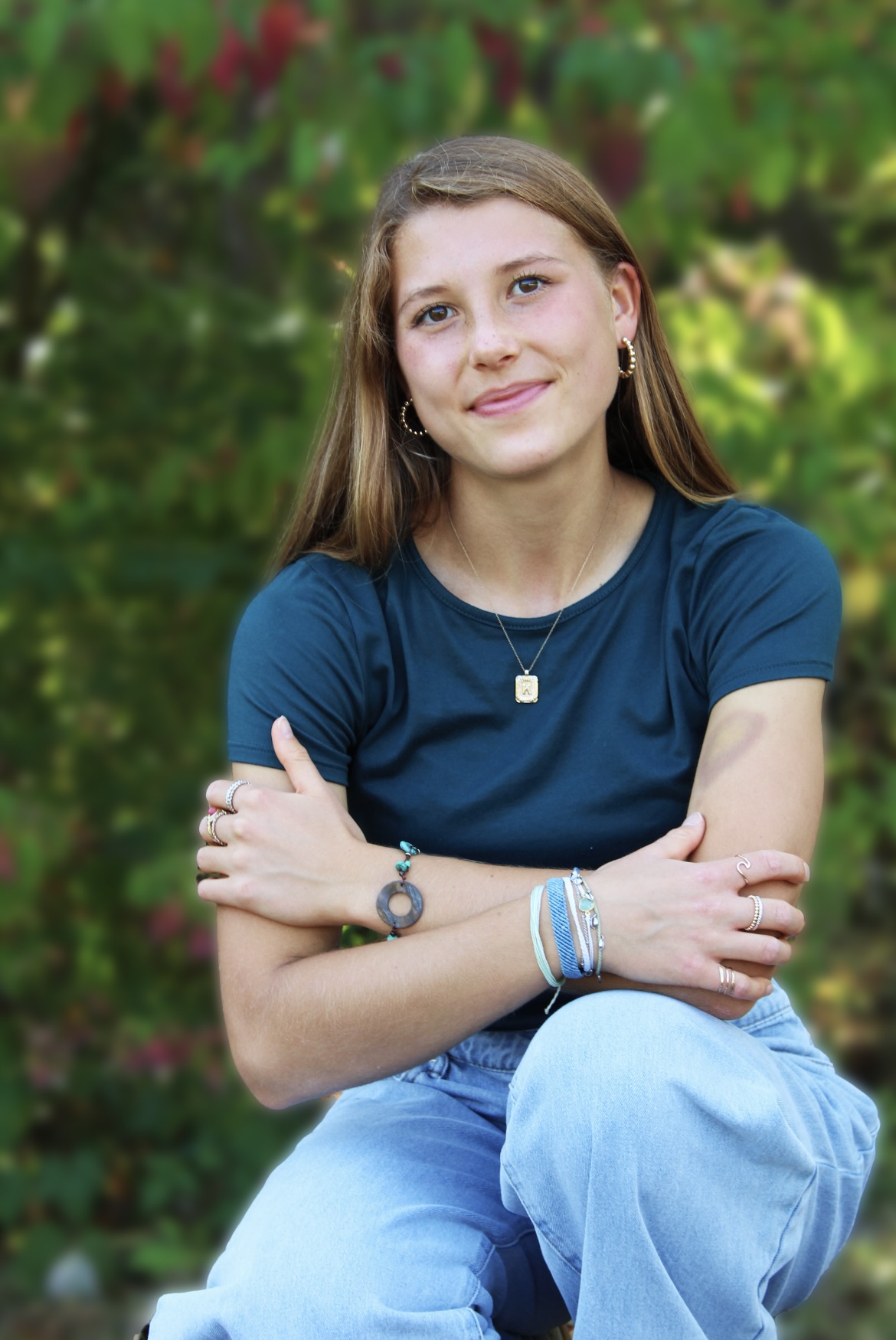
Kaya Sgro
Cleveland, Ohio
The Responsibility of Being a Safe Driver
Driving is more than simply knowing how to operate a vehicle; it is a responsibility that requires awareness, judgment, and consideration for everyone sharing the road. Every time someone gets behind the wheel, they are making decisions that can affect not only their own safety but also the lives of passengers, other drivers, cyclists, and pedestrians. Driver education plays an essential role in reducing traffic-related deaths because it teaches individuals not only the rules of the road but also how to recognize hazards, anticipate the actions of others, and make responsible decisions. Understanding the consequences of unsafe driving can help prevent accidents before they happen. Education is especially important for new drivers because developing safe habits early can influence how someone approaches driving for the rest of their life.
Reducing the number of deaths related to driving requires both education and individual accountability. Distracted driving, speeding, impaired driving, and failing to wear seatbelts are preventable behaviors that put countless lives at risk. One of the biggest challenges is that many people underestimate how dangerous these decisions can be. For example, checking a text message may only take a few seconds, but a vehicle can travel a considerable distance in that time without the driver's full attention. Similarly, speeding may seem harmless when someone is familiar with a road or believes they have control of their vehicle, but it reduces reaction time and increases the severity of potential accidents. Schools and communities can help by promoting driver safety education, sharing real-life experiences, and raising awareness about the consequences of irresponsible driving. Stronger enforcement of traffic laws, safer road designs, and continued education can also make a meaningful difference. Ultimately, preventing traffic-related deaths requires creating a culture where safe driving is viewed as a shared responsibility rather than simply a set of rules to follow.
I have personally seen how easily people can underestimate the risks of driving through my brother's tendency to speed. There have been times when I have felt uncomfortable with how fast he was driving and wanted him to slow down. Experiencing this has made the issue of speeding more personal to me because it is different when the person taking unnecessary risks is someone you care about. It has made me think about how quickly an ordinary drive can turn into a situation with serious consequences. Those experiences have also made me realize that unsafe driving does not always come from someone intentionally putting others at risk. Sometimes, people become comfortable with risky habits and fail to recognize how quickly a situation can change. When someone repeatedly speeds without experiencing negative consequences, it can become easy to assume that nothing will happen. However, the absence of an accident does not mean a behavior is safe. I have learned that caring about someone's safety means being willing to speak up, even when it may be uncomfortable. I would rather have an awkward conversation asking someone to slow down than remain silent and risk something happening that could have been prevented.
As a driver, I recognize that becoming safer requires more than simply knowing what I should do. It requires consistently putting that knowledge into practice, even when it is inconvenient or when other people around me make different choices. I can do this by remaining attentive, following speed limits, maintaining a safe following distance, wearing my seatbelt, and never allowing my phone or other distractions to take my attention away from the road. I also believe it is important to recognize that driving conditions are not always predictable. Weather, road construction, unexpected obstacles, and the actions of other drivers can all create situations that require quick and thoughtful decisions. Maintaining a safe speed, allowing enough space between vehicles, and staying alert can give me more time to react when something unexpected happens. I also want to continue improving my driving skills by learning from experience, listening to feedback, and never becoming overconfident in my abilities.
Beyond my own driving habits, I can help others become safer drivers by encouraging responsible decisions and leading by example. This includes reminding friends and family to slow down, putting phones away while driving, and speaking up when someone is behaving unsafely. I also believe passengers have a responsibility to communicate when they feel uncomfortable or unsafe. It can be tempting to stay quiet to avoid an uncomfortable conversation, especially with friends or family, but protecting someone's safety is more important than avoiding an awkward moment. My experiences with my brother have helped me recognize the importance of these conversations. I hope to encourage the people around me to think more carefully about their decisions and understand that responsible driving protects everyone on the road.
Ultimately, safe driving is about recognizing that my decisions affect more than just myself. It is easy to view driving as an everyday activity because it is such a normal part of life, but that familiarity should never lead to carelessness. Every time I get behind the wheel, I share a responsibility to protect my passengers, other drivers, pedestrians, and everyone else on the road. Driver education provides the knowledge necessary to make safe decisions, but individuals must take responsibility for applying that knowledge every day. I believe that becoming a good driver means more than passing a driving test or following traffic laws when someone is watching. It means making responsible choices consistently, recognizing the potential consequences of risky behavior, and understanding that even small decisions can have lasting effects. Being a good driver means taking that responsibility seriously, even when no one is watching.
Content Disclaimer:
Essays are contributed by users and represent their individual perspectives, not those of this website.