The Responsibility of Returning Home
2026 Driver Education Round 2
Joe Watts
Waxahachie, TX
The Responsibility of Returning Home
Joe Watts
A fatal crash just two cars ahead of me made the consequences of driving painfully real. Seeing the wreckage and knowing that several people had died brought those consequences close to home. A vehicle can be replaced. The people who should have arrived home cannot. I have also lost a family member in a vehicle accident. That loss has made me more aware that a sudden death changes life for an entire family. These experiences shape my belief that driving requires more than knowing how to operate a vehicle. It requires accepting responsibility for people whose lives may depend on our choices.
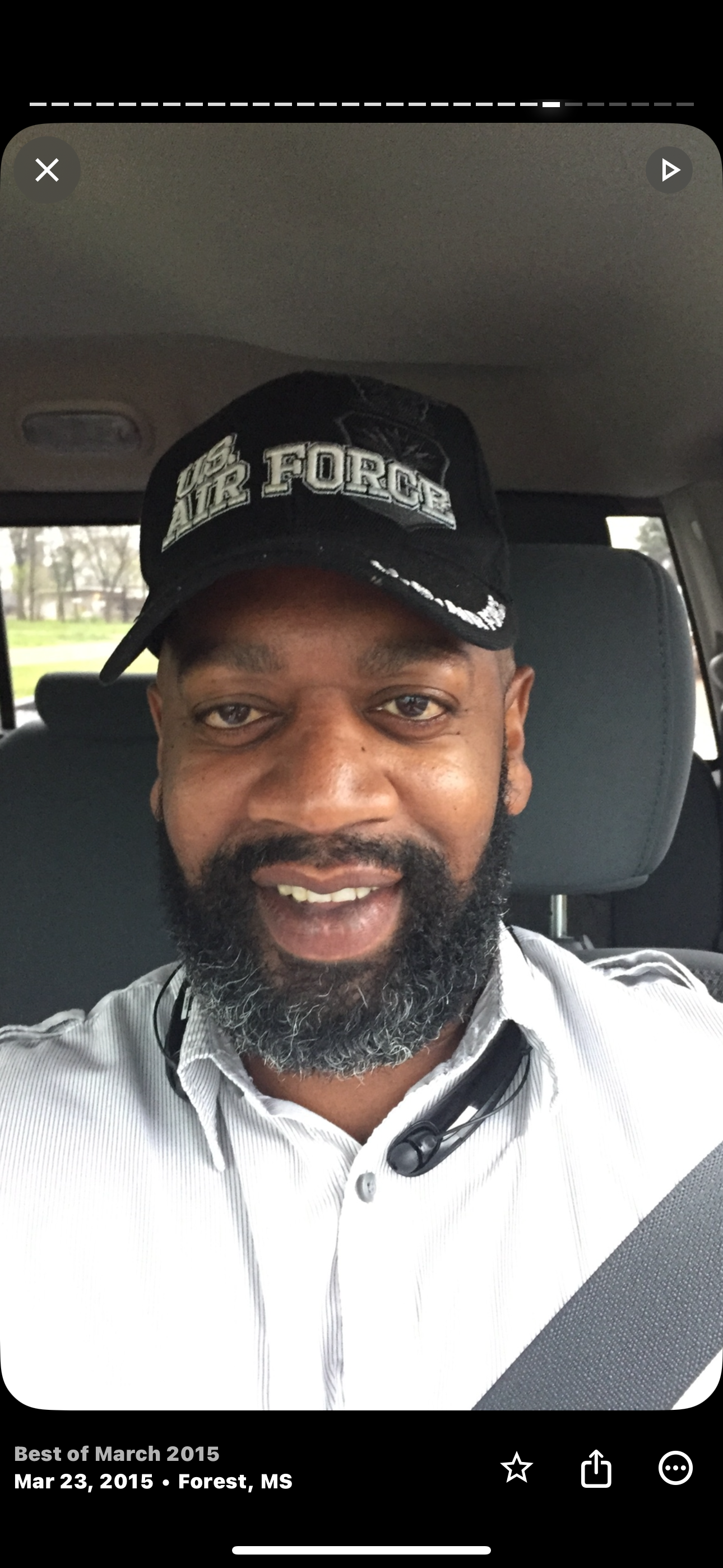
I served 22 years in the United States Air Force and continued my career in federal information technology. That background taught me to respect preparation and take responsibilities seriously, even when a task becomes familiar. Driving deserves the same attention. A person can travel the same route for years and still encounter an unexpected hazard. Familiarity should help us recognize risks, not persuade us that we can stop paying attention. As a husband, father, and student, I have people and goals I want to return to. Other road users deserve that same opportunity.
Driver education and traffic safety courses can help prevent impaired driving by teaching people to make a safe decision before they ever reach for their keys. Learning road signs and right-of-way rules matters, but a course should also confront the excuses people use to justify a dangerous trip: the distance is short, the route is familiar, or they believe they feel fine. Instructors can explain how alcohol and other impairing substances affect the abilities needed to drive safely. The lesson should lead to a clear personal rule: arrange a sober ride instead of taking a chance.
A useful traffic safety course should give students opportunities to practice that decision. An instructor could present a situation in which friends have been drinking and the person with the car insists on driving. Students could discuss how to decline the ride, contact a sober driver, and help others leave safely. Practicing those conversations makes prevention more concrete than a warning on a slide. Education cannot guarantee responsible behavior, but it can help drivers recognize risk, challenge overconfidence, and prepare an alternative before social pressure or impaired judgment enters the picture.
Reducing impaired-driving deaths requires turning those lessons into plans. Before an event involving alcohol, people can choose a driver who will remain sober, arrange a taxi or rideshare, or make plans to stay overnight. A backup matters if the original ride falls through. Hosts can help guests arrange safe transportation and avoid pressuring anyone to drink. The same caution applies to other substances that can impair driving. These choices should be discussed openly, so asking for a safe ride feels responsible rather than embarrassing. Preventing one unsafe departure can protect people who never attended the gathering.
Communities can reinforce what traffic safety courses teach. Schools, employers, and local organizations can offer refresher education and practical information about transportation options. Families can establish a simple expectation: call for help rather than drive impaired or ride with someone who is impaired. Communities also need safer crossings, clear road markings, and maintained streets. Drivers must buckle up, manage speed, avoid distractions, and allow adequate following distance. Impairment prevention belongs within that broader commitment to road safety, because a sober driver still has a responsibility to stay attentive and protect others.
The fatal crash two cars ahead of me is an experience I carry into my own driving. Seeing its wreckage made the distance between an ordinary trip and a tragedy feel very small. It also made it harder to treat road safety as an abstract topic. I do not know what caused that crash, but the outcome showed me how much is at stake whenever someone gets behind the wheel. My family's loss also reminds me that a death affects people far beyond the immediate event. Those experiences encourage me to consider the families connected to every vehicle I pass, including people I will never meet.
My own plan starts before I move the vehicle. If I plan to drink, I will arrange a sober ride beforehand and leave driving out of the evening. I will not ride with someone whose ability to drive is impaired. For every trip, I can set my destination, adjust controls, and put my phone away before leaving. I can allow enough travel time so that being late does not become an excuse to rush. I can check seat belts, maintain space, and watch for pedestrians, cyclists, and changing traffic conditions.
Being safer also means being willing to change plans. If I am tired, upset, or otherwise unable to give driving the attention it requires, I can delay a trip or arrange another way to travel. If a message needs an answer, I can wait until I am safely parked. If another driver behaves aggressively, I can avoid making the encounter personal. I do not have to prove a point, defend my place in traffic, or arrive first. My responsibility is to make decisions that reduce the danger I bring to the road.
I can help others by setting an example and speaking respectfully when something is unsafe. If someone has been drinking, I can offer to help arrange a sober ride instead of accepting an assurance that everything will be fine. As a passenger, I can handle navigation or ask a driver to put away a phone. I can encourage younger drivers to take their instruction seriously and experienced drivers to consider refresher courses. My family's loss and the fatal wreckage two cars ahead of me give these commitments personal meaning. There are people behind every windshield and people waiting for them elsewhere. Driver education should help us remember them before a preventable decision becomes a permanent loss.
Essay word count: 973
Content Disclaimer:
Essays are contributed by users and represent their individual perspectives, not those of this website.

Calling "Shotgun": How the Passenger Seat Prepared Me for the Driver’s Side
Ma Clover Therese Escubio