The Road Teaches Patience
2026 Driver Education Round 2
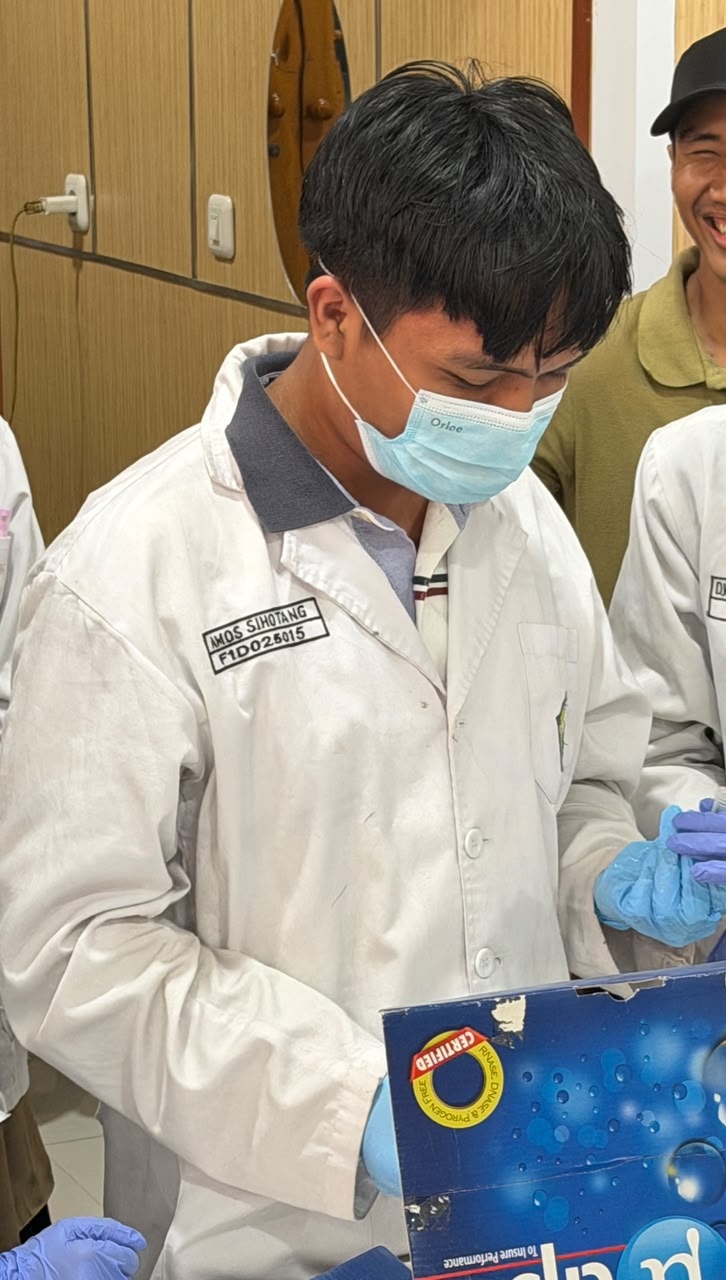
Amos Sihotang
Bengkulu, Bengkulu
The first time I sat behind the wheel, my hands were sweating. My instructor said something I still remember: "The car does what you tell it to. The question is what you are telling it." I laughed nervously then. Today I understand he was not talking about the car at all.
Imagine yourself driving home at dusk. The sky is orange, the radio is low, and you are tired after a long day. A phone buzzes on the passenger seat. In that moment, you are not just a person in a metal box. You are holding the safety of a motorcyclist beside you, a child crossing the street ahead, and the family waiting for you at home. Driving is one of the few everyday activities where one small decision can change many lives forever. That is why I believe driver education is not simply a license requirement. It is a lesson in responsibility.
In my country, traffic accidents remain one of the leading causes of death among young people. Behind every statistic is a story: a student who never reached graduation, a father who never came home, a mother who now fears every sound of a siren. When I read these numbers, I do not see data. I see how preventable most of these tragedies are. Most accidents do not happen because of bad luck. They happen because of speed, distraction, fatigue, and the quiet belief that "it will not happen to me."
Good driver education begins by breaking that belief. When I was learning, I discovered that driving is ninety percent awareness and ten percent skill. A safe driver checks mirrors before they are needed. A safe driver reads the road ahead, notices the pedestrian who might step out, and keeps a distance that leaves room for mistakes, including other people's mistakes. I learned that braking early is not weakness, and that arriving five minutes late is always better than not arriving at all.
I also learned that discipline matters most when no one is watching. Wearing a seatbelt on a short trip. Waiting at a red light on an empty street. Putting the phone in the glove box before turning the key. These habits feel small, yet they are the foundation of a safe driver's character. Driver education teaches the rules, but it also trains us to follow them when it is inconvenient, because the road does not forgive inconvenience.
One experience changed how I see this. Years ago, a close relative was in a motorcycle accident. He was not speeding, and he was wearing a helmet, but a driver ahead of him braked suddenly while looking at a screen. He survived, but the recovery took months. Sitting beside his hospital bed, I realized that safety is never an individual achievement. It is a shared agreement. My choices protect strangers, and strangers' choices protect me. If even one person breaks that agreement, everyone pays.
This is why I want education about driving to reach further than the classroom. Schools can teach teenagers about empathy on the road, not only traffic signs. Communities can organize safety campaigns that show real stories instead of cold slogans. Experienced drivers can mentor new ones, passing on the patience that no manual can fully describe. If we treat safe driving as a culture and not a checklist, behavior changes from the inside.
I also believe technology and education must walk together. Modern cars offer sensors, alerts, and assistance systems, but no device can replace a responsible mind. A warning light cannot care about the person in front of you. Only a human being can. Education gives that human being the judgment to use technology wisely rather than depend on it blindly.
If I receive this scholarship, I want to carry this belief into my studies and my community. I hope to take part in road safety education programs, helping younger students understand that every journey is a promise to return safely and to let others do the same. I want to be the kind of person who speaks up when a friend reaches for their phone behind the wheel, and who drives in a way that makes others feel safe beside me.
My instructor was right. The car does what we tell it to. So the real work of driver education is to shape what we tell it: patience over speed, attention over distraction, and respect over ego. A license proves that someone passed a test. A safe driver proves it every day, one quiet decision at a time.
When I drive now, I think of the child crossing the street, the rider beside me, and the people waiting at home. They are my reason to slow down. And if every driver carried that thought, the road would be a place not of fear, but of trust.
Content Disclaimer:
Essays are contributed by users and represent their individual perspectives, not those of this website.