The Weight of a single decision
2026 Driver Education Round 2
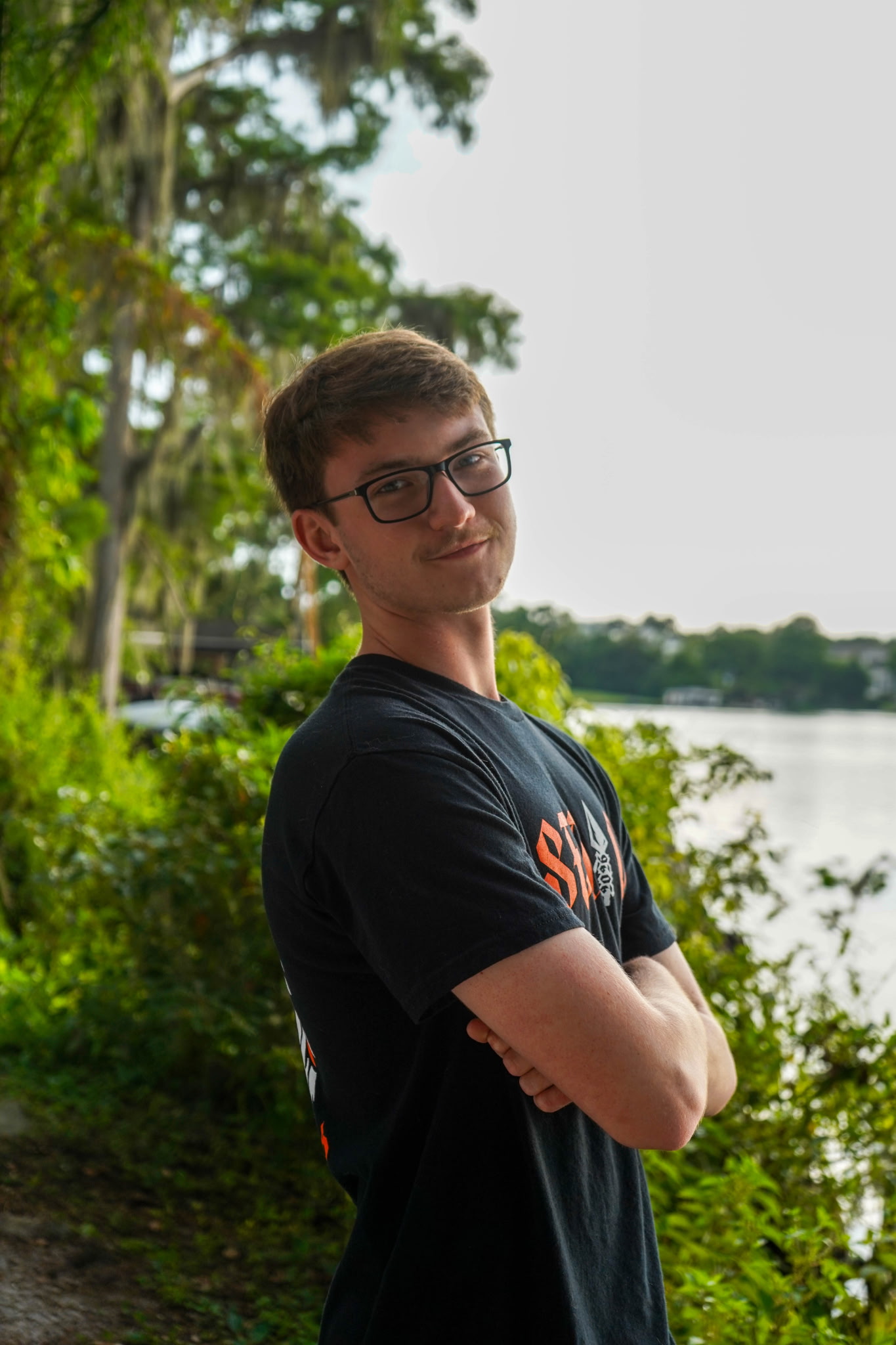
Zachary Nicholas Barnes
Gainesville, FL
Most people don't think much about driving beyond seeing it as a way to get from point A to point B. We get into our cars, turn on the engine, and go about our day without giving much thought to the responsibility that comes with being behind the wheel. Driving becomes so routine that we often overlook just how much control we have over a vehicle and, more importantly, how our decisions can affect the lives of others. What may seem like an ordinary trip to school, work, or home carries a responsibility that extends far beyond simply reaching our destination. Every time we get on the road, we are sharing it with people who have families, responsibilities, and someone waiting for them to return home.
I have seen the consequences of irresponsible driving, particularly through incidents involving drunk driving. What makes these situations especially difficult to understand is that the person responsible may not have intended to hurt anyone. They may have believed they were capable of driving, thought they were not that impaired, or convinced themselves that a short drive would not make a difference. Yet, someone else's family member can lose their life because of that decision. A family can be left with an absence that never truly goes away. Regardless of what the driver intended, the consequences are real, and the responsibility does not disappear simply because the harm was not intentional.
That is something I believe more people need to understand about driving: intentions and consequences are not the same thing. We often judge our actions by what we meant to do, but the people affected by those actions have to live with what actually happened. Getting behind the wheel after drinking is not simply a personal risk. It is a decision that places strangers, passengers, and entire families in danger. Someone else's life should never depend on whether a driver believes they are okay to drive. Choosing not to drive under the influence is not just about following the law; it is about recognizing that another person's life is worth more than the convenience of getting home.
I have also witnessed a vehicle hydroplane, which gave me another perspective on how quickly driving conditions can change. A road that seems perfectly manageable can become dangerous when rain accumulates on the pavement. In a matter of moments, a driver can lose traction and control of their vehicle. Seeing how quickly this can happen made me realize that driving safely requires more than simply knowing the rules. It requires awareness, preparation, and the ability to recognize when conditions are becoming dangerous.
However, I think it is important to recognize the difference between accidents caused by circumstances outside our control and those resulting from preventable decisions. A driver cannot control when rain begins to fall, when another vehicle loses control, or when an unexpected hazard appears in the road. However, drivers can control how they prepare for these situations. They can slow down during heavy rain, maintain a safe following distance, avoid distractions, and recognize when conditions are too dangerous to continue driving. There is a difference between being involved in an accident that could not reasonably have been prevented and making a decision that knowingly puts others at risk. Understanding that difference is an essential part of becoming a responsible driver.
This is why I believe driver education needs to extend beyond learning traffic signs, memorizing speed limits, and passing a driving test. Those things are necessary, but they are only the foundation. Being an educated driver means understanding how weather affects traction, how following distance influences reaction time, how alcohol impairs judgment, and how even a moment of distraction can have lasting consequences. It also means recognizing the limits of your own abilities. No driver is immune to making mistakes, and no amount of confidence can guarantee that an accident will not happen.
One of the biggest misconceptions about driving is that experience automatically makes someone a safe driver. While experience certainly helps, it can also create overconfidence. A person who has driven the same route hundreds of times may stop paying attention to the risks because everything feels familiar. Someone who has never had an accident may begin to believe that they are somehow less likely to have one. However, safety should never be based on luck or confidence. It should be based on consistent decisions and an understanding that circumstances can change at any moment. Even a driver who has been on the road for decades can make one decision that changes everything.
I also think we need to change how we view accountability on the road. Responsibility does not begin after an accident occurs. It begins before the car even moves. It means making arrangements for a ride before drinking, putting a phone away instead of checking a notification, slowing down when weather conditions deteriorate, and refusing to let impatience influence our decisions. These actions might seem small, but they are often the difference between arriving safely and causing irreversible harm. We should not have to experience a tragedy ourselves to understand why these precautions matter.
As a student and a young driver, I recognize that driving represents independence. It allows us to get to school, work, spend time with friends, and take on responsibilities without relying on someone else. However, I think independence is often discussed without enough emphasis on the responsibility that comes with it. Having the freedom to drive does not mean we are entitled to take unnecessary risks. In fact, the more freedom we have, the more accountable we should be for how we use it. Being mature behind the wheel means understanding that our decisions do not affect only us.
The statistics surrounding traffic fatalities are frightening, but I believe their greatest significance is what they represent. Behind every number is a person who had somewhere to go, someone waiting for them, and a life that mattered to others. It is easy to read that thousands of Americans die in traffic accidents each year and move on to the next headline. It is much harder to imagine families who have to adjust to a world without someone they love. These are not simply statistics or unfortunate events. They are real people whose lives and families have been permanently changed.
Ultimately, being a safe driver is about recognizing that the road is not ours alone. Every person driving beside us has somewhere to be and someone who wants them to get home. We cannot control every condition, every other driver, or every unexpected event. We can, however, control the decisions we make before and while driving. I believe that is where real responsibility begins.
I hope people stop viewing safe driving as simply following rules to avoid a ticket or an accident. It should be understood as a commitment to protecting lives, including those of people we have never met. We may not always be able to prevent every accident, but we can prevent many of the decisions that lead to them. Sometimes, the most important decision a driver can make is recognizing that getting home a few minutes later is far better than risking that someone else never gets home at all.
Content Disclaimer:
Essays are contributed by users and represent their individual perspectives, not those of this website.