The Weight of a Steering Wheel
2026 Driver Education Round 2
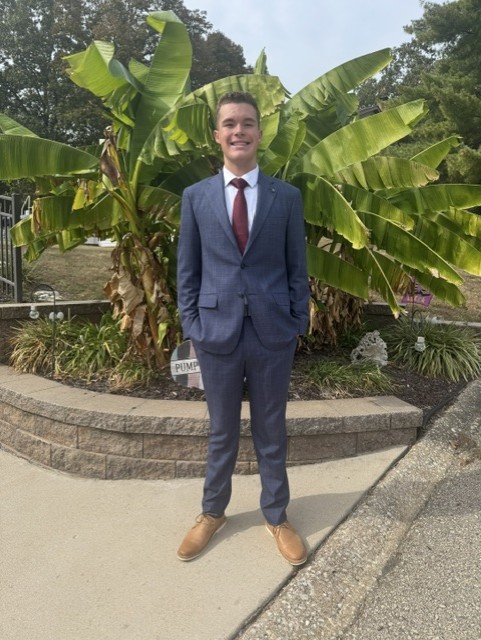
Ayden Whittler
St. Louis, MO
The first time I rode in a car going ninety miles per hour, I was fifteen, sitting in the back seat, and nobody said a word. The driver was my cousin, only two years older than me, laughing as the speedometer climbed. I remember gripping the door handle and realizing that the only thing standing between us and disaster was one person’s judgment. Every year, tens of thousands of people die in car crashes in the United States, and most of those deaths trace back to decisions made behind the wheel. I believe those decisions can be taught, and that is why driver education matters so much to me.
Driver education matters because driving is one of the most dangerous things we allow teenagers to do, yet it takes only a few hours of formal instruction to earn a license. A strong program does far more than explain road signs. It teaches how long it takes to stop at highway speed, how to scan ahead for hazards, how rain and ice change the way a car responds, and what a crash does to the human body. New drivers are statistically most at risk because they lack experience and often overestimate their own skill. Education attacks both problems directly. When a student feels a car skid on a practice course, or watches a reaction test show how a text message delays their response, the lesson sticks in a way that a lecture rarely does.
Education alone is not enough, though. Reducing driving deaths takes steps from many directions. Graduated licensing programs, which limit night driving and passengers for new drivers, have been shown to lower crash rates, and every state should enforce them strictly. Laws against texting, drunk driving, and driving without a seat belt need consistent enforcement, not just a posted fine. Communities can redesign dangerous roads with roundabouts, better lighting, rumble strips, and clearer crosswalks. Automakers can make features like automatic emergency braking and lane departure warnings standard rather than luxury add-ons. Parents can also do their part by logging real practice hours with their teens in difficult conditions, not just empty parking lots. Finally, adults should not be exempt from learning. A refresher course every few years would remind experienced drivers that bad habits form quietly.
I have seen what irresponsible driving looks like up close. My cousin’s ninety-mile-per-hour drive ended safely that night, but I have never forgotten how helpless I felt. I stayed silent because I did not want to seem childish, and that silence still bothers me. Two years ago, a classmate of mine was texting while driving home from practice and drifted into a ditch. He walked away with a broken wrist and a totaled car, and he was lucky. At school the next week, he told us he had only looked down for a second. That sentence changed how I think. A second is all it takes, and nobody believes it will happen to them until it does. Watching him recover, and watching his parents’ faces in the parking lot, made the danger feel personal instead of statistical.
Those experiences shaped the kind of driver I want to be. I already keep my phone in the glove compartment, or on do not disturb mode, whenever I am in the driver’s seat. I wear my seat belt every trip, even for the two-minute drive to the grocery store. I follow the speed limit, leave extra space between cars, and refuse to drive when I am exhausted. I limit the number of friends in my car, since distractions multiply with every extra voice. Beyond my own habits, I want to help others. I have learned to speak up as a passenger, calmly but clearly, when a driver is going too fast or looking at a screen. I volunteer to be the driver for friends who need a safe ride home, and I plan to organize a short presentation at my school where students can share their own close calls and discuss practical ways to avoid them. Hearing a story from a classmate often reaches people better than hearing statistics from an adult.
A car is not just transportation. It is a two-ton machine that puts everyone around it in the hands of whoever is driving. I want to study and work in a field where I can keep learning about safety, whether through engineering, public policy, or education, so I can help build a future where fewer families receive the phone call no one is ready for. A scholarship would help me take that first step. I cannot undo the mistakes I have witnessed, but I can choose to be the passenger who speaks up and the driver who sets an example, and I intend to do both for the rest of my life.
Content Disclaimer:
Essays are contributed by users and represent their individual perspectives, not those of this website.