The Weight of the Wheel
2026 Driver Education Round 1
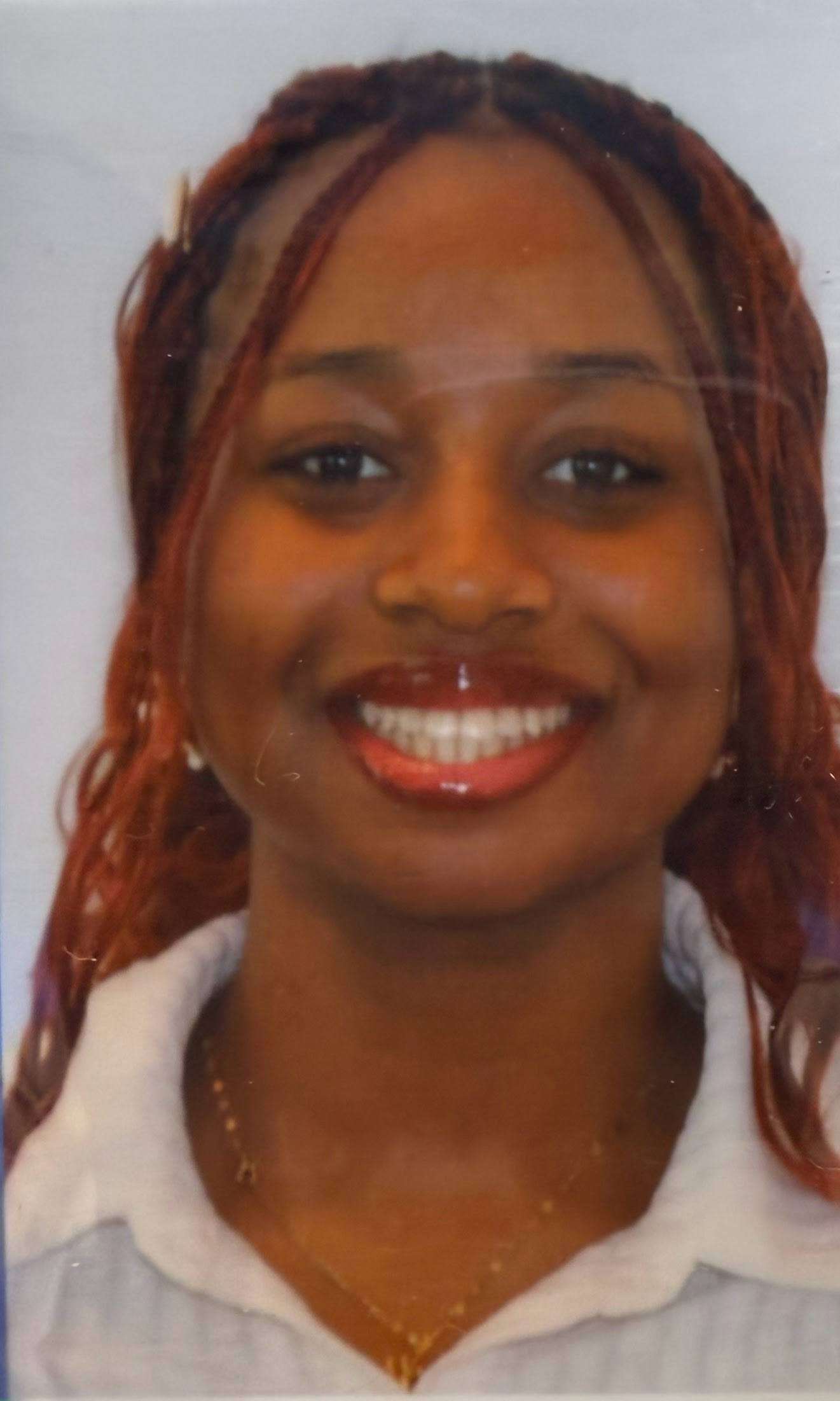
Ogochukwu Faustina F Uba
Nashville, TN
I was around eight or nine years old when I found out my mother had been in a car accident. I wasn't with her. One moment everything was normal, and the next, she was being rushed to the hospital for surgery. I don't remember all the details — I was young — but I remember the feeling: that particular helplessness of being a child and realizing, for the first time, that the people you love can be taken from you in an instant on an ordinary road on an ordinary day. I remember waiting. I remember not fully understanding what was happening, only that something was wrong and that I couldn't fix it. That kind of memory doesn't leave you.
That experience is part of why I take road safety seriously, even though I don't yet drive myself.
Driver education matters because most people who get behind the wheel don't fully understand the weight of what they're holding. A car is not just transportation — it's a responsibility to every other person on the road. Studies consistently show that a significant portion of road fatalities are linked to preventable causes: speeding, distracted driving, drunk driving, failure to wear seatbelts. What all of these have in common is that they are choices, and choices can be shaped by education. When drivers are taught not just the mechanics of operating a vehicle but the real consequences of carelessness — the families waiting at home, the surgeries, the funerals — it changes how they approach the road. Education builds the kind of awareness that keeps a person from thinking "it won't happen to me," because they've already been shown that it happens to people just like them. It happens to mothers running errands. It happens on familiar streets in the middle of the afternoon. Driver education, done well, makes that real in a way that a written test simply cannot.
Reducing driving-related deaths requires action at multiple levels. On a policy level, stricter enforcement of traffic laws, lower speed limits in high-risk areas, and mandatory driver education programs make a measurable difference. Governments and local authorities also have a role in maintaining roads properly — poor road conditions, missing signage, and inadequate lighting are silent contributors to accidents that often go undiscussed. On a community level, awareness campaigns that use real stories — not just statistics — tend to reach people in ways that numbers alone don't. When someone hears about a mother rushed into surgery or a family changed overnight by a preventable accident, it lands differently than a percentage on a poster. Schools, churches, and community organizations all have a platform to carry that kind of message, and using it matters. And on an individual level, the most effective thing any driver can do is commit to a few non-negotiable habits: no phone behind the wheel, no driving impaired, always wearing a seatbelt, and building in extra time so speed never feels necessary. Small habits, practiced consistently, save lives in ways that are easy to underestimate until you see what their absence costs.
As someone who will soon be learning to drive, I already know what I'm carrying into that experience. I know what it felt like to wait for news about my mother. I know what it cost our family when one accident changed everything for a period of time. That knowledge will make me a more careful driver — not out of fear, but out of genuine respect for what's at stake every time a car moves. I don't want to be the reason someone else's child is sitting somewhere waiting and not understanding why everything suddenly feels wrong.
Beyond my own driving, I think the most important thing I can do is speak honestly when I see people around me being careless. It's easy to stay quiet when a friend is on their phone while driving or someone skips a seatbelt for a "short trip." But the accidents that hurt people most are rarely the ones anyone planned for. Being willing to say something — even when it's awkward — is one of the simplest ways to keep the people around me safer. Modeling responsible behavior, refusing to normalize carelessness, and encouraging the people I care about to take the road seriously are all things I can do right now, before I ever get a license.
Driver education gave many people the technical skills to operate a vehicle. What it needs to do, and what I hope it increasingly does, is also give people the emotional understanding of why those skills matter. For me, that understanding came early, at eight years old, waiting to hear if my mother was going to be okay. I'd rather no one else have to learn it that way.
Content Disclaimer:
Essays are contributed by users and represent their individual perspectives, not those of this website.

Every Journey Matters: How Driver Education Can Save Thousands of Lives
Dimiana Hany Ayoub Yacoub


