Think before you turn
2026 Driver Education Round 1
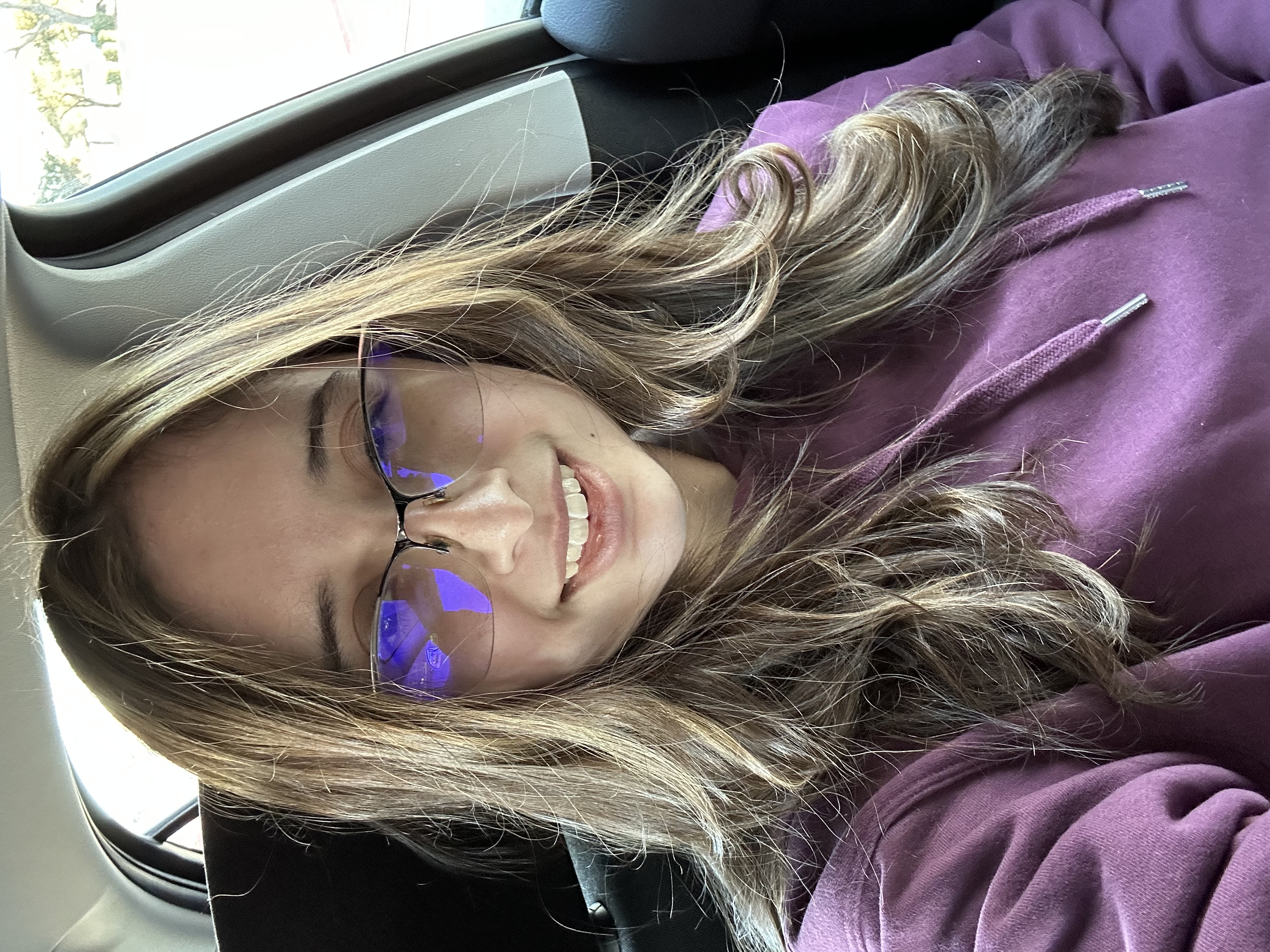
Alana King
Carrollton, Texas
Driving is something most people do every day without thinking twice, but being behind the wheel is a huge responsibility. A single second of distraction or a broken car part can change someone’s life forever. Learning to drive safely, keeping your car running well, and paying attention aren't just good habits—they are simple actions that save lives. Understanding road safety is even more important when you consider personal health, nervous beginnings, and the duty we all have to keep each other safe.
When I first started driving, I was really nervous. Being on the road felt scary because traffic moves way too fast, and you can never predict what other drivers are going to do. But for me, that fear comes from a very real medical reason: I have a condition called Chiari malformation. Because of this, even a minor car accident could paralyze me or cost me my life. Every time I drive, I have to be extra careful and think through every turn I make. Living with a medical condition reminds me just how high the stakes really are just to get around. It shows that many people on the road have hidden health risks, and one simple mistake, whether it was your fault or not can have awful consequences.
This is why driver education is so important for saving lives. Driver education does much more than just teach someone how to steer a car or pass a test. It teaches new drivers how to spot dangers early, follow traffic laws, and drive defensively. By showing people how to expect trouble before it happens, driver classes help stop accidents before they turn fatal. Proper instruction instills a mindset that treats driving as a serious privilege rather than a mindless routine. It equips drivers with the spatial awareness and mental discipline needed to make split-second decisions during unexpected emergencies.
To lower the number of deaths on the road, changes need to happen in a few different ways. Governments can enforce tougher laws against texting while driving, speeding, and driving under the influence. They can also build safer roads with clearer signs and better intersections. On a personal level, keeping your car in good shape plays a huge role in safety, especially if it’s an older vehicle. Regularly checking your brakes, tires, and lights stops dangerous breakdowns on the highway. Using modern car features like automatic braking also helps prevent human mistakes. When we combine smart road design, good car care, and public safety campaigns, the roads become much safer for everyone.
Unfortunately, almost everyone has seen bad driving firsthand. I have seen friends and family members drive irresponsibly, like looking down at a text message, speeding through a yellow light, or driving while tired. I have also experienced scary close calls where another driver swerved or slammed on their brakes. Seeing people you care about make careless choices on the road is eye-opening, especially when you know how fragile life really is. It exposes how easily people fall into a false sense of security behind the wheel, forgetting that a vehicle is a heavy machine capable of causing immense harm.
Ultimately, reducing traffic fatalities requires us to shift how we view driving as a culture. Too often, getting behind the wheel is treated as a passive daily chore rather than an active responsibility that demands our full attention. When we normalize minor infractions like drifting over the speed limit or quickly glancing at a notification, we lower our collective standard for safety. Building a safer environment means fostering a culture where attentiveness is celebrated, reckless choices are actively discouraged, and every driver acknowledges that their choices directly impact the lives of everyone sharing the road with them.
To be a better and safer driver, taking responsibility is key. I make it a rule to put my phone away before driving, leave plenty of space between cars, and stick to the speed limit. Because of my Chiari malformation, taking an extra second to look twice before turning is something I always do. Beyond my own habits, I can help others by setting a good example and speaking up. If I am a passenger and the driver grabs their phone, I offer to help with directions or ask them to focus on the road, and I will never let a friend drive if they are too tired or impaired. True road safety begins with personal accountability and spreads through community awareness. By refusing to tolerate reckless habits in ourselves and our peers, we create an environment where safety is prioritized above convenience, that way we can all help protect lives on the road.
Content Disclaimer:
Essays are contributed by users and represent their individual perspectives, not those of this website.