Three Thousand Trips: What Driving for a Living Taught Me About Staying Alive
2026 Driver Education Round 2
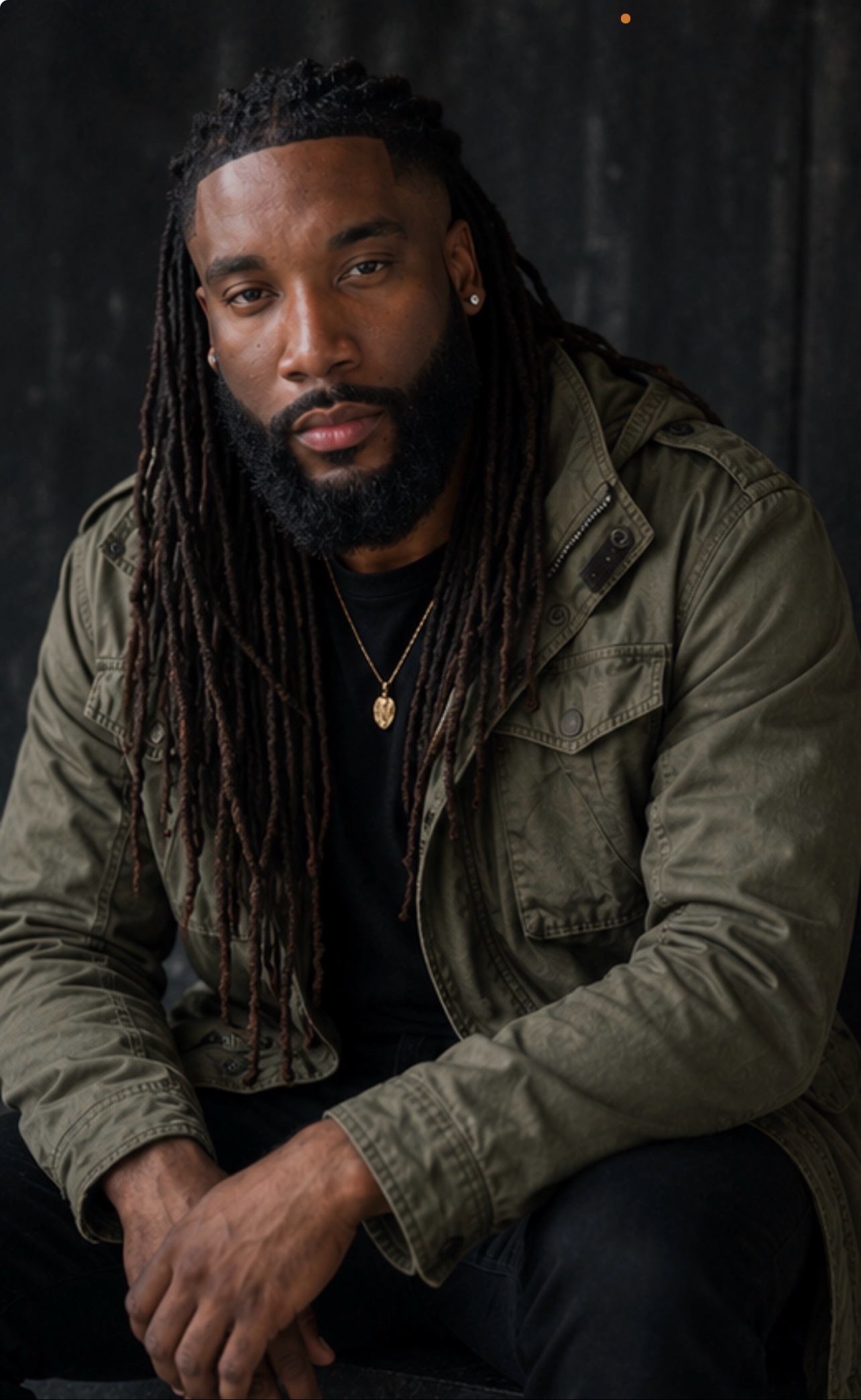
Garrett E. Salley
Dallas, Texas
I have completed more than 3,175 trips as an Uber driver since September 2025, holding a 4.99 rating and Diamond tier status. That means I have spent thousands of hours on the roads of the Dallas-Fort Worth area, in every kind of weather, at every hour of the day and night, carrying strangers whose lives were, for the length of a ride, in my hands. There is no classroom that teaches you what that teaches you. But it has convinced me of something I now believe deeply: driver education is one of the most undervalued life-saving interventions we have, and we treat it far too casually for something that decides, every day, who gets home.
The importance of driver education in reducing deaths comes down to a simple fact. Driving is the most dangerous thing most people do every day, and it is the thing they think about the least. More than 40,000 people die on American roads in a typical year. That is a passenger jet crashing every single week, and we accept it as background noise. Driver education matters because it is the one structured moment in a person's life when someone is supposed to teach them that the two-ton machine they are about to operate can kill, and how not to let it. Good driver education does not just teach the rules of the road. It teaches respect for the road. It builds habits, scanning intersections, managing following distance, understanding stopping distances at speed, that become automatic before a new driver ever faces a real emergency. A driver who has been properly trained does not have to think about what to do when a tire blows or a child runs into the street. Their hands already know. That automatic competence is the difference between a close call and a casualty, and it can only be built through real education, not through guessing.
If we are serious about reducing the number of deaths related to driving, there are clear steps we can take. First, we should strengthen graduated driver licensing everywhere, so new drivers earn full privileges in stages instead of all at once. The data on this is overwhelming: teens with staged licensure crash less. Second, we need to treat distracted driving, especially phone use, with the same seriousness we finally learned to apply to drunk driving. That means real enforcement, real penalties, and education that shows young drivers what a text message costs at sixty miles per hour. Third, we should invest in refresher education for adults, not just teenagers. Most drivers learned the rules decades ago and have spent the years since developing bad habits they do not even notice. A short, accessible refresher, online or in person, could correct the drift. Fourth, we need safer road design: better lighting, clearer markings, protected turns, and infrastructure that forgives human error instead of punishing it with death. And fifth, technology helps, but only as a supplement. Lane assist and automatic braking save lives, but a driver who depends on the car to pay attention is a driver who has stopped driving.
I have never been in a serious car accident myself, and I am grateful for that. But driving for a living means I have a front-row seat to irresponsible driving every single day. I have watched drivers run red lights while looking at their phones. I have watched cars weave through traffic at speeds that leave no margin for anything to go wrong. I have picked up passengers who were shaken because the ride before mine had scared them, and I have driven late-night trips where the number of impaired drivers on the road was obvious to anyone paying attention. The pattern I see most is not recklessness in the dramatic sense. It is inattention. People driving on autopilot, half present, trusting luck. As a professional driver, I plan my driving around other people's mistakes. I assume the car in the next lane is about to drift. I assume the driver ahead is about to brake for no reason. That defensive mindset is exhausting, but it is also the reason my passengers get home safe, and it is something every driver should be taught from the beginning.
The steps I take to be a better and safer driver start with the basics, done consistently. I keep my phone out of reach while driving, every trip, no exceptions. I maintain following distance even when traffic pressures me to close it. I check my mirrors in a steady rhythm, not just when changing lanes. I slow down before I need to, not after. I never drive impaired or exhausted, and when I am tired, I stop, because I know that fatigue kills as surely as alcohol. Beyond my own driving, I try to help others become safer on the road in the small ways available to me. Passengers ask me about driving all the time, and I am honest with them about what I see: the near misses, the phone zombies, the cost of impatience. I model calm driving even when other drivers are aggressive, because someone in the back seat is always watching and learning. And as a future nurse, I carry a deeper motivation. I am studying to save lives in hospitals. It would be a strange thing to work that hard to preserve life and then throw it away on the highway through carelessness. Every safe trip I complete is part of the same mission as every class I take: keeping people alive.
Driver education is not really about passing a test. It is about deciding, before you ever need to, what kind of driver you will be when it matters. I decided that in the driver's seat of my own car, thousands of trips ago. I hope this essay helps someone else decide it sooner.
Content Disclaimer:
Essays are contributed by users and represent their individual perspectives, not those of this website.