Two-Lane Roads and Second Chances: Why Driver Education Matters Where I Live
2026 Driver Education Round 2
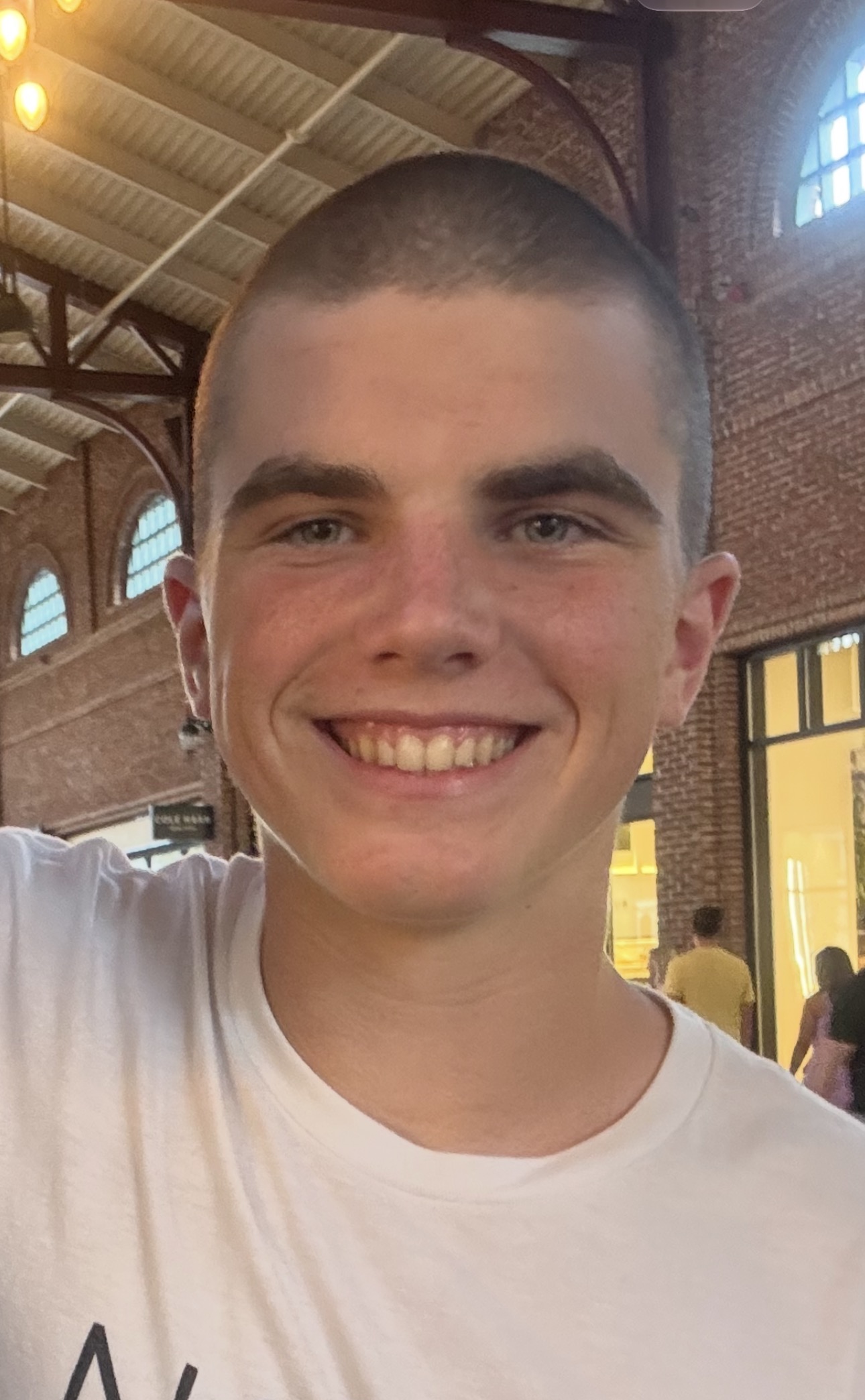
Matthew Peters
Renick, West Virginia
In rural West Virginia, there is no such thing as an easy drive. The roads near my home in Greenbrier County twist through mountains and river valleys, with sharp curves, steep grades, and very few guardrails. Many have no shoulder and no cell service. Deer can step into the road at any moment, especially at dusk. Fog settles into the hollows in the morning, and ice lingers on shaded curves long after the main roads have cleared. Learning to drive here has taught me that being a safe driver is not just about following rules. It is about understanding that one careless moment can change lives, and that help may be a long way off when something goes wrong.
The statistics are sobering. Tens of thousands of Americans die on the road every year, and rural roads are especially dangerous. Although fewer people live in rural areas, a disproportionate share of traffic deaths happen there. Higher speeds on two-lane highways, sharp curves, wildlife, and long emergency response times all play a part. My dad is a family doctor in neighboring Pocahontas County, one of the most rural counties in the state. In places like that, the nearest trauma center can be more than an hour away. A crash that might be survivable in a city can be deadly in the mountains simply because of distance.
That reality shapes how I think about driver education. Many people treat driver's education as a box to check before getting a license. I see it as the foundation for every decision a driver will make for the rest of their life. A good driver education program teaches more than how to parallel park. It teaches how to judge stopping distance on a wet downhill curve, how to scan the edges of the road for deer, when to slow down before a blind turn, and why patience matters more than arriving a few minutes early.
The most important lesson I have learned is that most crashes are not caused by a lack of skill. They are caused by choices. Distraction is one of the biggest. Looking at a phone for even a few seconds at 55 miles per hour means traveling the length of a football field without seeing the road. On a winding mountain road, that is more than enough time to drift across the center line or miss a deer standing in the next curve. Speeding is another choice. Many local roads have curves that look gentle until you are already in them. Driving too fast for conditions, especially in rain, fog, or snow, leaves no room for error. Fatigue, impaired driving, and not wearing a seat belt are also choices, and each one can turn a minor mistake into a tragedy.
I have been fortunate never to be in a serious crash, but I have seen how quickly things can go wrong. Like most people who live here, I have watched drivers pass on double yellow lines around blind curves, take mountain roads far too fast, and glance down at their phones while driving. Each time, I have thought about how little room there is for error on these roads, and how far away help would be. Those moments are a big reason I take driving so seriously.
I approach driving the same way I approach Brazilian jiu-jitsu, which I have trained for years and where I now serve as team captain. In jiu-jitsu, success depends on staying calm, paying attention, and respecting the consequences of every movement. Rushing or losing focus gets you caught. Driving demands the same discipline. A calm, focused driver who respects the road is far safer than a skilled driver who gets impatient or distracted.
I also believe safe drivers have a responsibility to help others become safer. As president of my 4-H club and a county 4-H Teen Leader, I work with many younger students who will soon be learning to drive. I can set an example by never using my phone behind the wheel, by always wearing a seat belt, and by speaking up when a friend is driving unsafely. Peer influence works both ways. If young drivers see their friends taking risks, they are more likely to take risks themselves. If they see their friends driving carefully, safe driving becomes normal.
There are also practical steps communities like mine can take. Driver education programs in rural areas should include specific training for rural hazards: wildlife, sharp curves, gravel roads, and winter weather. Schools and community groups can share real stories about local crashes, because statistics feel distant until the victim is someone you know. Families can set clear expectations for new drivers, such as limiting nighttime driving and passengers during the first months behind the wheel.
I plan to become a dentist and practice in rural West Virginia, where I will spend much of my life on these same roads, driving to work and serving patients who travel long distances for care. Being a safe and educated driver is part of being a responsible member of that community. Every time I get behind the wheel, I am responsible not only for my own life, but for everyone else on the road. That is a responsibility I take seriously.
Content Disclaimer:
Essays are contributed by users and represent their individual perspectives, not those of this website.