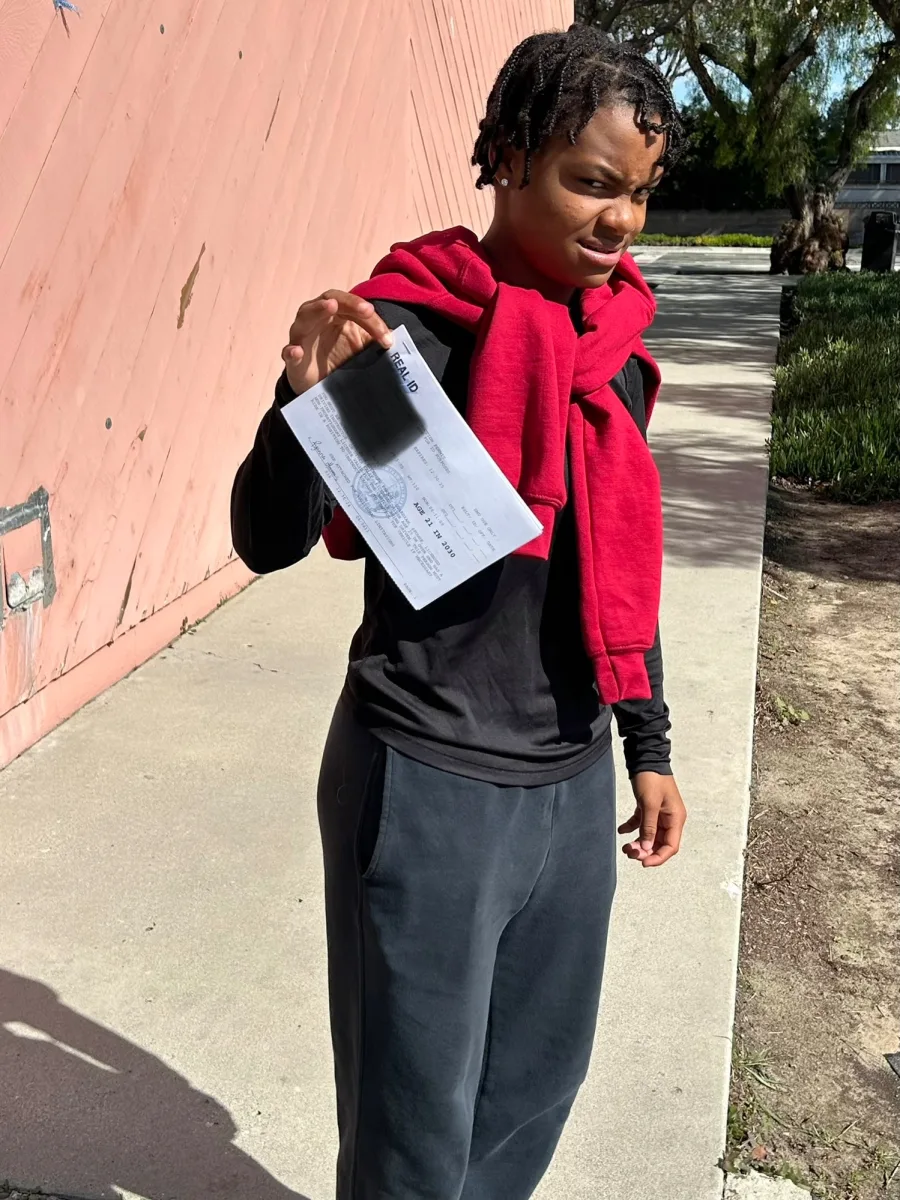
Two Mirrors and a Lesson I Won’t Forget
2026 Driver Education Round 2

Madison Alyse Tate
Severn, MD
I’ve torn off the same side mirror twice. The first time, I backed out of our garage too fast. Months later, I drove too close to the curb and clipped a trash can. My family had already reminded me to give myself more room, so the second time was especially embarrassing. I knew exactly what they were going to say. I also knew they were right.
Those mistakes taught me something different from what I learned the night another driver sideswiped me. I got my license in June 2025. That August, a car with its lights off crossed into my lane and hit the side of my car. I pulled into a well-lit area, thinking we would stop and talk about what happened. The other driver jumped out and started yelling at me. I was already shaken from the collision, and suddenly I had to figure out how to handle someone who was angry and coming toward me.
A few men came out of a barbershop that was still open and helped calm him down. He said he wanted to call the police. I told him that was fine and that I would call my mom. Then he drove away. I was grateful the men came outside. Before that night, I had thought about what I might do if I got into a crash. I had never thought much about what the other person might do after we pulled over.
That experience changed what I think driver education should cover. Before getting a license, you study signs, practice turns, and learn how to check your mirrors. I’d also like new drivers to talk through what happens after a crash. Where could you stop safely? What would you do if the other driver started yelling? Who would you call? As a counselor at HERoes on the HERizon, an emergency preparedness camp, I help younger students think through decisions before they face an emergency. I understand the value of that practice differently now. When I was standing outside my car, shaken and trying to make sense of what had just happened, even deciding what to say felt harder than I would have expected.
Driver education can also help save lives by teaching people to recognize a hazard while they still have room to respond. Driving at night means paying attention to how much you can actually see and making sure others can see you. Leaving space around your car gives you more time when someone brakes unexpectedly. Checking for pedestrians before turning matters even on a street you drive every day. An instructor can explain those habits, but the part that stays with you is practicing them until you catch yourself using them on your own.
For me, that includes slowing down for the trips that feel easiest. I had backed out of our garage plenty of times, which was probably why I felt comfortable doing it quickly. When I clipped the trash can, I was so focused on staying near the curb that I failed to give myself enough clearance. Both mistakes happened at low speeds in familiar places. Both were mine to learn from. Now I know that when someone points out a habit I need to change, I have to decide what I’ll do differently the next time I get behind the wheel. For me, that means backing out slowly enough to stop and check my clearance and giving myself extra room when I pass something near the curb.
I can take the same approach with distractions. Before I leave, I can set my directions and put my phone out of reach. If I miss a turn, I can take the next one. If I’m riding with a friend who reaches for a phone, I can offer to handle the directions or send the message. If I feel unsafe, I can say so. I know that might feel awkward, especially if everyone else in the car seems fine. But I remember how relieved I felt when the men at the barbershop stepped outside. They saw someone who needed help and acted. I can practice speaking up earlier, while there’s still time for a friend to put the phone down or slow the car.
Getting my license gave me a kind of freedom I had looked forward to for a long time. It also made me responsible for something that can seriously hurt people. A car isn’t a toy, and I understand that better now than I did the day I passed my test. I can be proud of becoming a driver and still take correction seriously. I can be nervous after a collision and still work on becoming more confident. The next time I back out of our garage, nobody will be grading me. I’ll slow down and check my clearance anyway. That’s when I know the lesson stuck.
Content Disclaimer:
Essays are contributed by users and represent their individual perspectives, not those of this website.