We Only Have One Life
2026 Driver Education Round 1
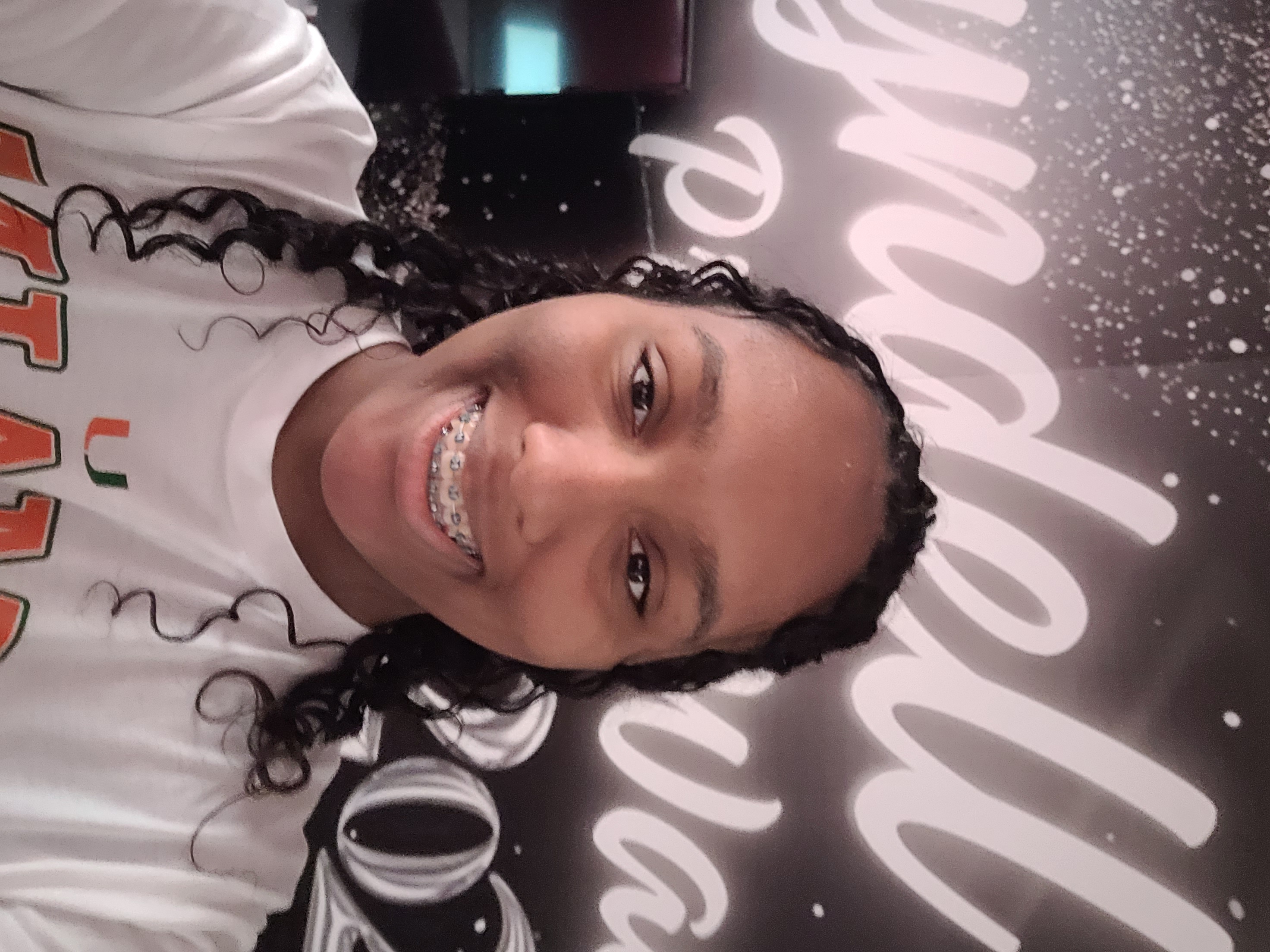
Kyndell Wilson
miami, Florida
The streets are flashing red and blue. Sounds of the ambulances coming through. I can’t believe it. How could this have happened? I only looked at the phone for a quick second, and now lives are gone. How do I look at the loved one's family after I caused such damage to their lives? No parent wants to bury their child when their time shouldn’t be up. No friend wants to get that phone call in the middle of the night. No family wants to hear that someone they love is never coming home. We only have one life. That’s why we must pay attention to our surroundings. This hasn’t happened to me, but many teens my age have had a similar outcome. We get our first car, and we're excited. It feels like freedom. We don't have to wait for rides anymore. We can drive ourselves to school, work, practice, or a friend's house. We want to show everyone our car. We tell our friends to hop in. We turn the music up and enjoy the moment. Getting a license is something many teenagers have looked forward to for years. With all this energy, we're not focusing. Music is up loud, you’re jamming to the playlist, not looking in the mirrors, and you didn't see that there was a sign that said don’t turn on red. You turned and hit someone, or they hit you. You'll be at fault. Maybe you were texting a friend. Maybe you were changing the song. Maybe you were looking at a notification that could have waited. Whatever it was, it only took a second. The scary thing about driving is that a second is all it takes for everything to change. Many people think accidents happen to other people. They think they are good enough drivers to avoid danger. The problem is that confidence can slowly turn into carelessness. The more time someone spends driving, the more comfortable they become. Being comfortable is good, but becoming too comfortable can be dangerous. Drivers start taking shortcuts. They stop checking mirrors as often. They speed a little because they think they can handle it. They answered a text because they've done it before and nothing happened. Eventually, that confidence catches up to them. I had a friend who was a beginner driver. He would check his mirrors, have his music all the way down, check his speed limit, and make sure to watch his surroundings. He was careful. He followed the rules because he understood the responsibility of driving. Then he got confident. He had friends in his car. He was laughing, joking around, and the music was playing way too loudly. He hit someone, and his car flipped over because he was over the speed limit. He lost his life. One decision changed everything. His family lost a son. His friends lost someone they cared about. A future that should have been full of opportunities ended far too soon. Stories like this happen more often than people think. According to the CDC, nearly 2,800 teens ages 13 to 19 were killed in car crashes in 2020, while about 227,000 others were injured. That means every day, around eight teenagers never make it home. One glance at a phone, one moment of distraction, and a life can be changed forever. These numbers are not just statistics. Every number represents a real person. Someone had dreams, plans, and people who loved them. Someone had a family. waiting for them to come home. What I can do as a driver is check my mirrors, check my blind spots, make sure my seatbelt is on, put my phone on Do Not Disturb, and make sure my mind and mood are clear and focused. These are simple things, but they can save lives. Safe driving isn't just about protecting yourself. It's about protecting everyone around you. The people in other cars have families, too. The person crossing the street has people who care about them. Every choice we make behind the wheel affects more than just ourselves. In driver's ed, they teach you that your mood affects your driving, and your emotions and the weather can affect your driving. If you're too emotional to drive, don't drive. If it's raining too heavily for you to drive in, don't drive. If you're tired and struggling to stay awake, don't drive. There is nothing wrong with waiting until it is safe. Not everyone puts this knowledge into practice, but to be a safe driver, it's essential to apply what you've learned. We have plenty of time in our lives. We can use it to check our mirrors, watch the road, and make sure we're not over the speed limit. We have time. You can check your phone when you're off the road, parked, or at home. That text message can wait. That notification can wait. That social media post can wait. A life cannot. You might be able to handle a traffic ticket or even losing your license, but can you really afford to risk your life and the lives of others? The next time you're behind the wheel, remember that driving is a privilege and responsibility. One good decision could save a life. One bad decision could take one away. The choice is yours every time you start the engine.
Content Disclaimer:
Essays are contributed by users and represent their individual perspectives, not those of this website.