What I See From the Driver's Seat
2026 Driver Education Round 2
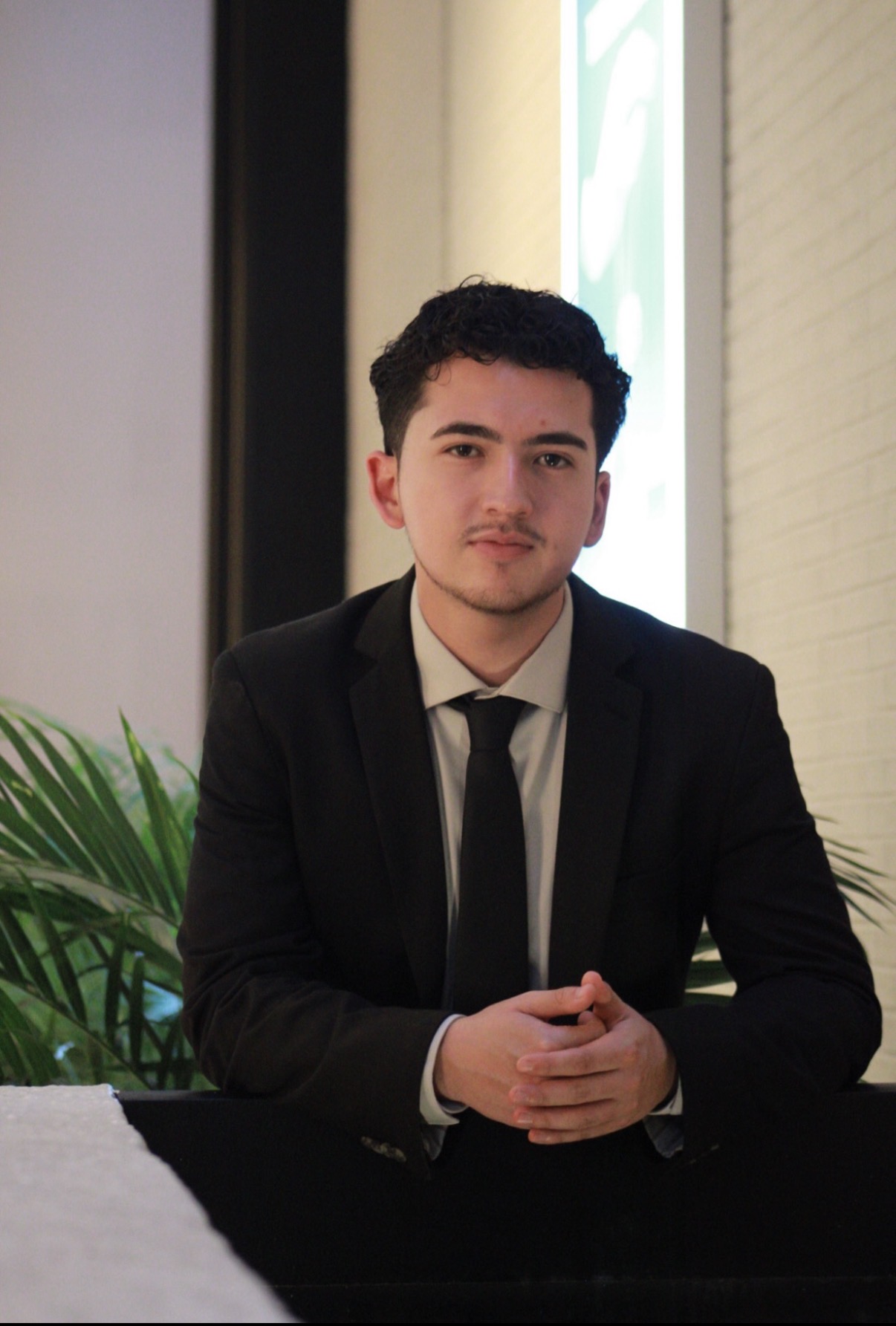
Phillip Secada
Hialeah, Florida
Driving is part of how I earn a living, so road safety is not a theory for me. I drive for Uber in Miami-Dade County while I finish an online accelerated MBA at Florida Gulf Coast University. Between driving and running my resale business, Phillip's Closet, I work more than forty hours a week. As a rideshare driver, I spend a meaningful part of that week on Miami's roads, responsible for passengers who get into my car and trust me to get them home. That is why I am writing about the importance of being a safe and educated driver. This essay is not a story about one dramatic crash. I have not been in a car accident I would describe here, and I will not invent one. What I can offer is what I see through the windshield every week, and the habits I use to try to keep other people safe.
The first question this contest asks is about the importance of driver education in reducing deaths. The facts on the page are already serious. In America, an average of 34,000 people die each year as a result of driving, more than the American military deaths from the wars in Iraq and Afghanistan combined. Two years of roadway deaths exceed American deaths from the Vietnam War. Those comparisons are meant to startle people, and they should. The problem is that most of us treat driving as an ordinary errand, not as something with that kind of cost. Driver education matters because it is one of the few chances we have to change that attitude before someone is already on the road with a license and a phone.
Education is more than teaching someone how to pass a test or park between two lines. It is teaching people that attention is the main safety system in the car. According to the National Highway Traffic Safety Administration, 3,275 people were killed and an estimated 324,819 were injured in 2023 in crashes involving distracted drivers. NHTSA also reports that 611 nonoccupants, such as pedestrians and bicyclists, were killed in distraction-affected crashes that year, and that distraction is likely underreported. Numbers like those are hard to feel until you have a passenger in the back seat, or you watch a driver next to you look down while rolling through a turn. Good driver education makes those risks specific. It teaches a routine, not just a warning. Set the navigation, choose the music, and send the last message before the car moves. Mount the phone. Use voice controls where the law allows it. Pull over if something needs real attention. Those are simple steps, but they are not obvious to a new driver who has grown up with a phone in hand. I am 27, and I remember being a young driver in a generation that treats the phone as part of daily life. Education has to meet people where they actually are, or they will ignore it.
The second question is what steps can be taken to reduce the number of deaths related to driving. I think the answer is a mix of habits, rules, and culture, not one silver bullet. First, make the safe choice the easy choice. Phones should go into a driving mode that blocks typing and can read messages aloud. Young drivers, and working drivers like me, should be taught a pre-trip routine until it is automatic. Second, enforce rules that already exist and explain them clearly. In Florida, texting while driving has been a primary offense since July 1, 2019, so an officer can stop a driver for it. Since January 2020, drivers can also be cited for handheld phone use in school zones and active work zones. The law exempts navigation and allows hands-free use, including Bluetooth. That is a realistic approach: the goal is attention, not pretending the phone does not exist. Third, involve passengers. A rider who says, "Take your time, I'm not in a hurry," or who offers to handle directions, can make the driver's job safer. Rideshare companies, schools, and families could all encourage that kind of help. Fourth, use the channels that already reach drivers. Employers, delivery services, and gig platforms already communicate with drivers about safety. A short, regular reminder about phone use would cost very little and would reach people who are on the road the most. Fifth, keep improving the roads themselves, especially where pedestrians, cyclists, and cars mix. Education cannot do all of the work if a corridor is designed for speed and distraction.
The third question asks whether I have ever been in a car accident or have seen friends or family members driving irresponsibly. I want to be honest. I have not been in a crash that I can describe in this essay, and I have not been given a family accident story to tell. What I have seen, repeatedly, is irresponsible driving as part of ordinary work. Phones light up at red lights. Drivers glance down while turning. People change lanes without signaling. I also feel the pull myself, because the same device that gives me navigation and trip requests can become a distraction if I let it. Passengers sometimes start a conversation or ask a question while I am merging, which is human, but it is also a reminder that attention is limited. Seeing that behavior week after week has done more to shape my driving than any slogan. It showed me that unsafe driving is often not a dramatic decision. It is a small glance that feels harmless until it is not.
The last question is what steps I can take to be a better and safer driver, and how I can help others become safer on the road. My first duty is my own habits. Before I shift out of park, I set the trip, check the route, and get the phone into a place where I can hear directions without holding it. If a message or a change to the trip needs more than a glance, I wait until I can pull over safely. I try to leave extra space, signal early, and assume another driver may not. When I have a passenger, I would rather arrive a few minutes later than make a stressed decision in traffic. I am bilingual in English and Spanish, and I have learned how much calmer a ride feels when instructions and small reassurances are clear in the language the passenger is comfortable using. A calm passenger is easier to drive with than a rushed one.
I can also help other people drive more safely by being direct in ordinary moments. If I am a passenger, I can offer to handle the phone or the music. If I am talking with younger drivers in my family or community, I can skip the lecture and describe the routine I actually use. In a future management role, I would want the same standard for any driver on a team: a clear expectation, training people respect, and a leader who follows the rules too. I am finishing Florida Gulf Coast University's MBA in May 2027 with a 3.67 GPA, and I want to carry this lesson into the way I lead. Road safety is not abstract to me. It is part of how I get home, how my passengers get home, and how strangers in the next lane get to keep living their day. Being a safe, educated driver means treating every trip as if someone else's life is in the car, because often it is.
Content Disclaimer:
Essays are contributed by users and represent their individual perspectives, not those of this website.