When Driving Becomes Personal
2026 Driver Education Round 2
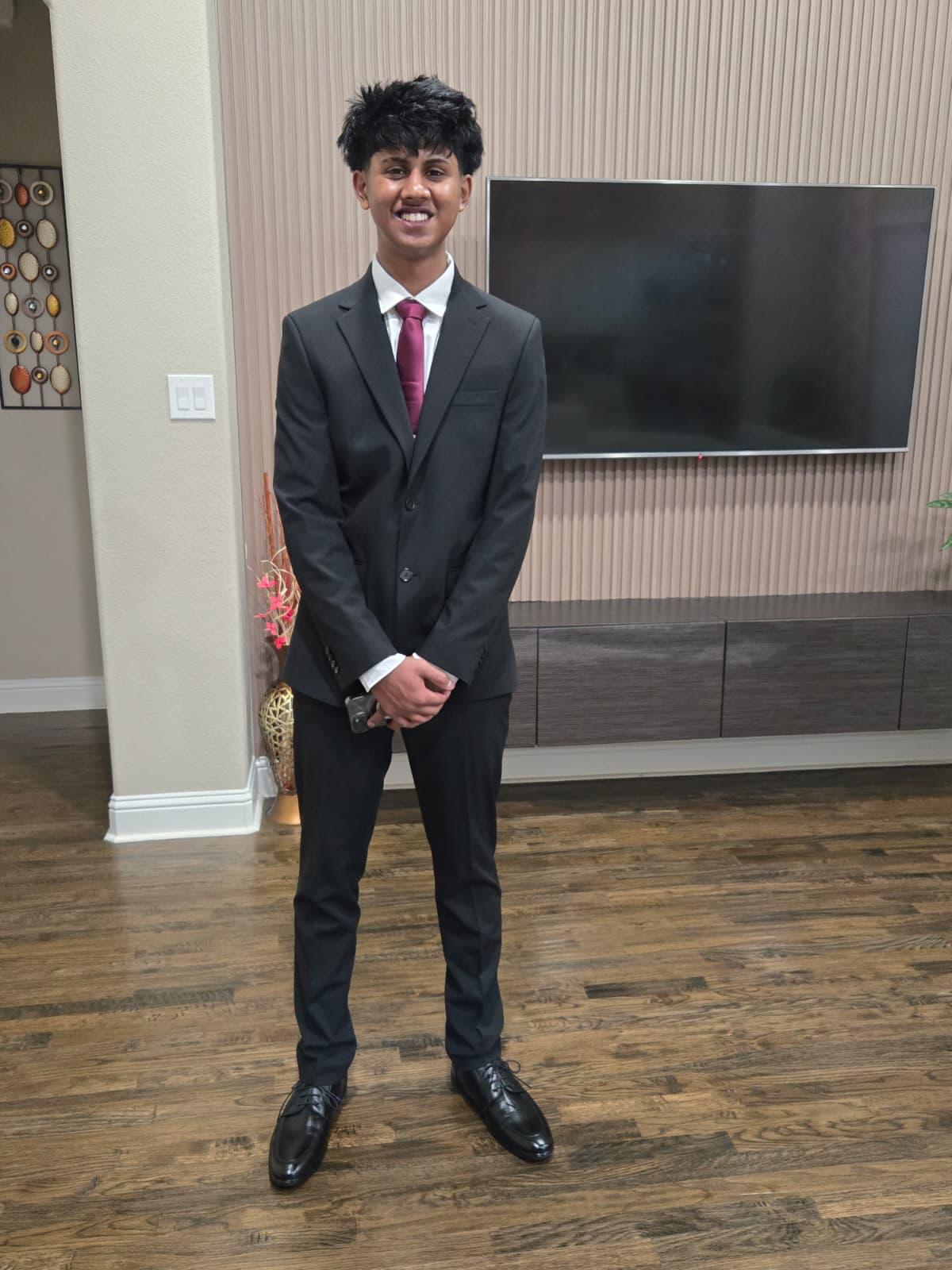
Sai Shreyas Produtor
Allen, TX
Driving is an ordinary part of life for many people. We get into a car to go to school, visit friends, run errands, or get home after a long day. Because these trips are so familiar, it is easy to forget how much responsibility comes with them. A driver is not just responsible for getting from one place to another. They are responsible for making decisions that can affect the lives of everyone around them. I began thinking about that responsibility differently after my mom was involved in a car wreck caused by a teen driver about a year ago. That experience made road safety more personal to me and showed me why learning to drive safely must mean more than simply earning a license.
The fact that the other driver was a teenager stood out to me. Teenagers are still gaining experience, learning to manage distractions, and figuring out how to make good decisions under pressure. Those are normal parts of growing up, but behind the wheel, a poor decision can have consequences beyond the person making it. My mom's wreck reminded me that the road is a shared space. Even when someone believes they are driving well enough, they cannot control every situation around them. They can, however, control whether they pay attention, follow traffic laws, and take the responsibility seriously.
I do not need to add dramatic details to this experience to understand why it matters. Knowing that my mom was involved in a wreck caused by another young driver was enough to make me think more carefully about the risks people take on the road. Before an experience like this becomes personal, it can be easy to treat traffic safety as something covered in a driver's education class or mentioned in a public service announcement. An accident makes the issue harder to dismiss. Behind every collision is a real person whose day, plans, and sense of security can be affected. The person at risk is not always the driver who made the mistake.
This is why driver education is so important. Learning to drive involves more than memorizing signs, understanding right-of-way rules, and practicing parking. Drivers must also learn to recognize danger before it becomes an emergency. They need to understand how speeding reduces the time available to react, why following too closely is dangerous, and how even a brief glance at a phone can divert attention from changing traffic conditions. They also need to understand how fatigue, alcohol, and other impairing substances affect judgment and reaction time. These lessons are most useful when students understand not just what the rules are, but why following them matters.
Driver education should also prepare inexperienced drivers for situations that cannot be fully understood from a textbook. Supervised practice allows new drivers to encounter different traffic conditions while an experienced adult can offer guidance. Families can reinforce classroom instruction by discussing mistakes, demonstrating patience, and setting consistent expectations. A teenager who sees an adult speeding, checking a phone, or driving aggressively may begin to treat that behavior as normal, even if the same adult warns them against it. Safe driving therefore needs to be demonstrated as well as taught.
Reducing the number of deaths related to driving requires individual responsibility and broader community action. Drivers should wear seat belts on every trip, obey speed limits, maintain a safe following distance, and adjust their speed to weather and traffic conditions. They should put their phones away before starting the vehicle and avoid multitasking while driving. No one should drive while impaired, and people who are too tired to concentrate should find another way to travel. Regular vehicle maintenance matters, too, because properly functioning tires, brakes, and lights help drivers respond to hazards.
Communities can support these efforts through accessible driver education, consistent enforcement of traffic laws, safer road design, and public awareness campaigns. Graduated driver licensing programs can also help young drivers build experience in stages before receiving broader driving privileges. These approaches recognize that preventing crashes requires more than telling people to be careful. It requires teaching safe habits, encouraging accountability, and creating conditions that reduce the likelihood of serious mistakes.
My mom's experience has also made me think about the choices I will make as a driver. I want to approach driving as a responsibility rather than something I can do automatically while thinking about everything else in my life. Before driving, I can adjust my mirrors, fasten my seat belt, and set my navigation so I do not have to make those adjustments on the road. I can silence my phone, leave early enough to avoid rushing, and resist the urge to speed when I am running behind. While driving, I can check my surroundings carefully, maintain space between vehicles, and remain alert even on familiar roads. If I am tired or distracted, I can recognize that I am not in the right condition to drive safely.
I can also help other people make better decisions. If a friend drives aggressively or starts using a phone behind the wheel, I should be willing to speak up instead of staying quiet to avoid an uncomfortable conversation. If someone is planning to drive while impaired, I can encourage them to find a safe alternative. I can do this without acting as though I am better than everyone else. The point is not to judge people for making mistakes; it is to take dangerous choices seriously before those mistakes affect someone else. I can also set an example by following the rules myself and refusing to encourage behavior that distracts the driver.
I cannot control every person who shares the road with me. My mom's wreck is a reminder of that limitation. What I can control is the effort I make to become a responsible driver and the willingness I have to encourage safe decisions in others. I do not want to wait until another accident affects someone close to me before taking road safety seriously. When I get behind the wheel, I want my goal to be more than reaching my destination on time. I want to make the kinds of decisions that reduce risks for my passengers, my family, and the people I may never meet but share the road with every day.
Content Disclaimer:
Essays are contributed by users and represent their individual perspectives, not those of this website.