When Responsibility Drove Away
2026 Driver Education Round 1
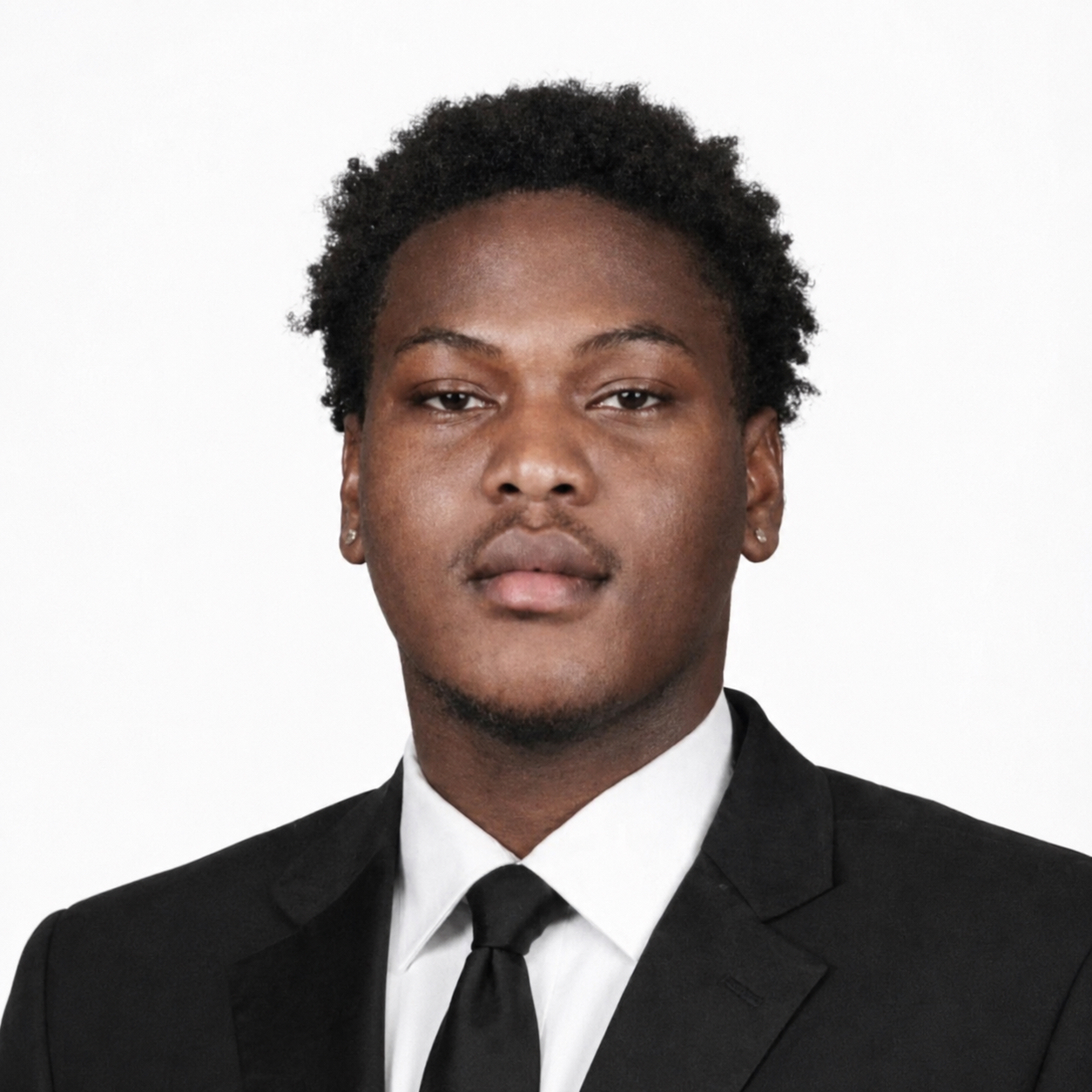
Samuel Ogundeji
Houston, Texas
The impact lasted only a fraction of a second. One moment I was driving as I had countless times before, and the next I heard the violent sound of metal colliding against metal. My heart raced as I tried to process what had just happened. Before I could even step out of my car or gather my thoughts, the other driver accelerated and disappeared into traffic, leaving me alone in the aftermath of a hit-and-run. When I first read the question, “Have you ever had an experience of being in a car accident or have seen your friends or family members driving irresponsibly?” I immediately thought back to that day. It was more than just an accident. It became one of the most defining lessons I have ever learned about responsibility, accountability, and the privilege of driving.
I stood there staring at the damage, overwhelmed by a mixture of disbelief, frustration, and helplessness. My mind kept replaying the same question: How could someone cause an accident, see the consequences of their actions, and still choose to drive away? They never stopped to ask if I was injured. They never checked whether my car was drivable. They simply disappeared, leaving me to face the situation alone. That decision stayed with me long after the police report was filed and the insurance claims were submitted. While the dents in my car could eventually be repaired, the emotional impact could not. In that moment, I realized that safe driving is not simply about avoiding accidents. It is about accepting responsibility, valuing human life, and understanding that every decision behind the wheel reflects the kind of person you choose to be.
Before experiencing the hit-and-run, I believed being a safe driver meant following speed limits, wearing a seatbelt, and obeying traffic signals. Those habits remain essential, but I now realize they represent only the minimum expectation. The true measure of a responsible driver is revealed when something goes wrong. Accidents happen, even to cautious drivers. What defines us is how we respond. The driver who struck my car made a decision that lasted only seconds, yet it shifted the burden of their mistake onto someone else. In trying to avoid accountability, they created emotional stress, financial uncertainty, and a lasting reminder that negligence extends far beyond the moment of impact.
Although I was fortunate that the accident did not leave me with life-threatening injuries, the emotional effects lingered much longer than I expected. For days afterward, I replayed the crash in my mind, wondering if there was something I could have done differently or whether the driver ever thought about the person they left behind. The uncertainty was almost as painful as the accident itself. I found myself becoming more cautious every time I got behind the wheel, not because I was afraid of driving, but because I understood how quickly another person’s careless decision could change everything. What surprised me most was realizing how easily some people forget the enormous responsibility that comes with driving. A vehicle is not simply transportation. It is thousands of pounds of moving force capable of changing someone’s future in an instant. Forgetting that reality, even for a moment, can have devastating consequences.
Looking back, I realize my accident changed my perspective in ways no classroom lesson ever could. Driver’s education taught me the rules of the road, but the hit-and-run taught me the value of integrity. It made me understand that earning a driver’s license is not simply about proving you can operate a vehicle. It is about accepting the responsibility that comes with controlling something capable of changing another person’s life in an instant. Every driver shares a duty to protect not only themselves but also every stranger who trusts that others on the road will make responsible decisions. My experience reinforced that safe driving is not only a skill. It is a reflection of character.
Each year, tens of thousands of Americans lose their lives in traffic crashes, and countless others suffer injuries that permanently alter their futures. Behind every statistic is a family forced to answer a devastating phone call, a child waiting for a parent who will never return home, or a community mourning someone whose life ended because of a preventable mistake. These are not just numbers on a chart. They are people with dreams, ambitions, and loved ones whose lives are forever changed by one careless decision. Too often, accidents are dismissed as unavoidable, but many stem from choices that could have been prevented. Distracted driving, speeding, reckless behavior, impaired driving, and fleeing the scene of an accident all begin with a single decision. My experience reminded me that one poor choice can create consequences that last a lifetime.
What my hit-and-run taught me more than anything else is that accountability is one of the most overlooked aspects of road safety. Anyone can make a mistake, but integrity is revealed by what happens next. Responsible drivers stop. They check on others. They call for help if someone is injured. They cooperate with law enforcement and accept the consequences of their actions. Choosing to flee not only violates the law but also abandons another human being during one of the most frightening moments of their life. No destination, no inconvenience, and no fear of consequences can ever justify leaving someone behind. Responsibility does not end the moment an accident occurs. If anything, that is when it matters most.
Since that day, my approach to driving has changed completely. I leave earlier so I never feel pressured to speed. I put my phone away before starting the engine because no notification is worth risking another person’s future. I remain patient, even when other drivers are not, because I have learned that arriving safely matters infinitely more than arriving quickly. Most importantly, I remind myself that every vehicle around me contains someone’s child, parent, sibling, or best friend. Remembering that simple truth changes the way I see the road. Other drivers are not obstacles delaying my destination. They are people whose lives are just as valuable as my own.
As a young driver, I also believe my generation has an opportunity to reshape the culture surrounding road safety. Technology has made distraction easier than ever before, while social pressure often encourages unnecessary risks behind the wheel. True confidence is not demonstrated by driving aggressively or trying to impress others. It is demonstrated by exercising discipline when no one else is watching. Choosing to slow down, remain focused, and act responsibly may never earn applause, but those quiet decisions save lives every single day. I hope more young drivers come to understand this lesson before they experience what I did.
When people ask whether I have ever experienced a car accident or witnessed irresponsible driving, my answer is yes. I experienced both in the same moment. The driver who hit my car made the irresponsible decision to flee, leaving me to deal with the physical, emotional, and financial consequences of an accident they caused. Although I wish that day had never happened, it gave me a perspective that no textbook or driver’s education class could have provided. It taught me that safe driving extends far beyond obeying traffic laws. It requires accountability, patience, empathy, and respect for every life on the road. I cannot control the decisions other people make, but I can control my own. Every time I get behind the wheel, I carry that lesson with me, determined to be the kind of driver who would never leave someone behind. If my experience encourages even one person to slow down, stay attentive, and take responsibility for their actions, then something meaningful can come from one of the most difficult moments of my life. Safe driving is not simply about reaching a destination. It is about ensuring that everyone else has the chance to reach theirs as well.
Content Disclaimer:
Essays are contributed by users and represent their individual perspectives, not those of this website.