A Few Feet From a Different Ending
2026 Driver Education Round 1
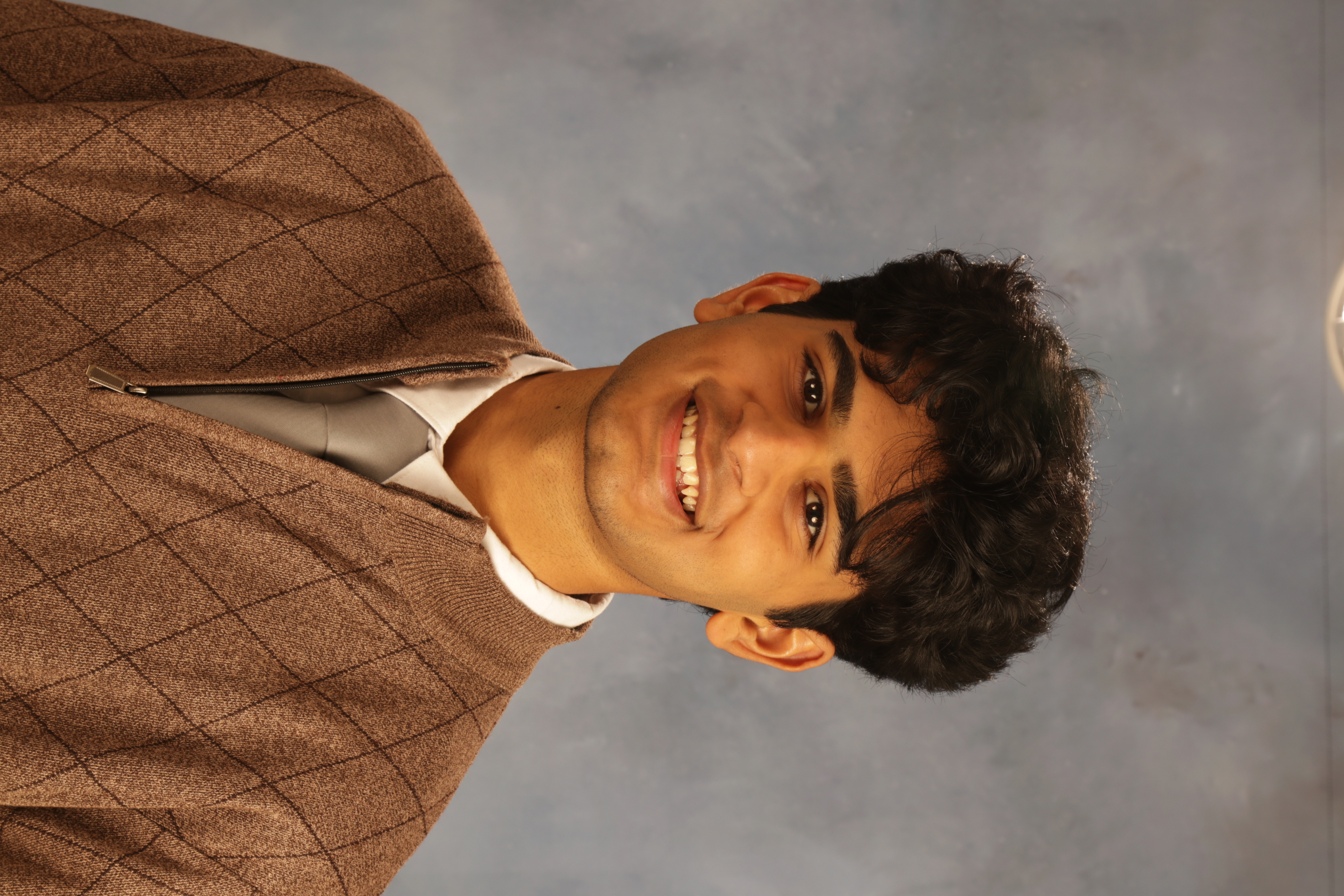
Pranshu Shah
Bellingham, MA
My final driver’s education lesson was supposed to bring me one step closer to freedom.
I had just finished my last parallel parking exercise and could finally apply for my road test. I remember feeling relieved as I prepared to pull away from the curb. I fastened my seat belt, checked my mirrors, looked over my shoulder, checked my blind spot, and turned on my signal. I had repeated those steps so many times that they had started to feel automatic.
Then, as I began to pull out, my instructor slammed the brake on his side of the car. A truck had come speeding onto the street.
I barely had time to process what was happening before it scraped across the front of the driver’s education car and tore through the front end. The sound of metal grinding against metal filled the car. Just a few moments earlier, I had been thinking about scheduling my road test. Now I sat frozen in a damaged car, trying to understand how a normal driving lesson had suddenly become an accident.
Later, we learned that the truck’s driver did not even have a license.
What stayed with me most was not the damage to the car. It was the distance.
I was only a few feet away from being hit head-on. Had my instructor reacted a moment later, the truck could have crashed into my side of the car instead. I could not stop thinking about how differently that day could have ended because of only a few feet.
That thought followed me long after I left the car.
I had done everything I had been taught to do. I wore my seat belt. I checked my surroundings. I used my signal. I stayed alert. I was not speeding or looking at my phone. Yet none of that gave me control over the driver coming toward me.
That accident forced me to understand one of the most uncomfortable truths about driving: you can do everything right and still suffer because of someone else’s carelessness.
At first, that truth made driving terrifying. Every car around me felt unpredictable. I wondered whether the driver approaching an intersection would stop or whether the person beside me had checked a blind spot. I found myself watching the cars behind me and wondering whether their drivers were paying attention or looking down at their phones.
Over time, however, that fear turned into responsibility.
I realized that I could not control whether someone else drove recklessly, but I could make sure I never became that person for someone else.
The truck’s driver may have believed he was risking only his own safety. He was not. The moment he sped into that street, his decision entered our car too. It reached my instructor. It reached me. It reached the people who expected both of us to return home.
That is what reckless driving truly endangers.
There is a family behind every person on the road. Every driver is someone’s child, sibling, parent, partner, or friend. When someone speeds, drives while impaired, or looks down at a phone, that person is not only gambling with the life inside the next car. That person is gambling with everyone who loves the person inside it.
One careless decision can leave an empty chair at dinner. It can turn an unanswered phone call into panic. It can leave a family wondering how someone they loved never made it home because another driver treated safety like an inconvenience.
That is the true weight of sitting in the driver’s seat.
Before the crash, I thought safe driving mainly meant following rules. Do not drink and drive. Do not text. Check your mirrors. Follow the speed limit. Those rules matter, but I now understand what stands behind them. They are not simply instructions printed in a handbook. They are promises we make to people we may never meet.
When I stop at a red light, I trust the driver behind me to pay attention. When I cross an intersection, I trust another driver not to run the light. When I sit in someone else’s passenger seat, I place my life in that person’s hands.
Every driver depends on strangers.
That is also why impairment means more than alcohol or drugs. A phone can pull a driver’s eyes away at the worst possible moment. Exhaustion can slow a reaction. Anger can turn an ordinary drive into an aggressive one. Overconfidence can convince someone that speed limits, licenses, and traffic laws apply to everyone except them.
The driver who struck our car did not need alcohol in his system to place us in danger. His speed and his decision to drive without a license were enough.
My instructor’s reaction likely prevented the accident from becoming much worse. He noticed the truck before I did and pressed the brake at the exact moment we needed it. His response showed me why driver’s education matters. A new driver can memorize every road sign and still lack the experience to recognize a threat developing within seconds.
Driver’s education gave me more than the skills needed to pass a road test. It placed me beside someone with enough experience to act when my own awareness was not enough. Without my instructor and the second brake on his side of the car, my final lesson could have ended very differently.
I believe new drivers should hear more real stories from people who have experienced crashes. Statistics can tell us how many people lose their lives on the road, but stories show us who those people are. A number may be forgotten. A mother waiting for her child to return home is much harder to forget.
Driver’s education should teach students to see every person around them as more than another vehicle. The car in front of us does not only contain a driver who may be moving too slowly. It contains a person with plans, people who love them, and a place they are trying to reach. Understanding that makes patience easier. It makes putting the phone away easier. It makes waiting for a safe opening instead of forcing one feel less like an inconvenience and more like a responsibility.
Since the accident, I have become far more cautious behind the wheel. I do not assume that another driver will stop simply because the light is red. I do not assume that someone will signal before changing lanes. I leave more space, check my surroundings again, and watch the movement of nearby cars more closely.
I no longer see caution as fear. I see it as respect.
It is respect for the passenger beside me. It is respect for the driver in the next lane. It is respect for every family expecting someone on the road to walk through their front door again.
I cannot prevent every accident. I cannot control the driver speeding toward me, the person checking a phone, or someone who chooses to drive without a license. What I can control is whether my own actions add to that danger or give someone else a better chance of arriving home safely.
My final lesson was supposed to prepare me for a road test. Instead, it taught me something no test could measure.
There were only a few feet between the truck and my side of the car. Those few feet separated a damaged vehicle from a much different ending. Those few feet separated my family from receiving a phone call that no family should ever receive.
Every time I drive, I remember that distance.
I remember that every person on the road has someone waiting for them.
And I remember that when we protect one driver, we protect far more than one life.
I had just finished my last parallel parking exercise and could finally apply for my road test. I remember feeling relieved as I prepared to pull away from the curb. I fastened my seat belt, checked my mirrors, looked over my shoulder, checked my blind spot, and turned on my signal. I had repeated those steps so many times that they had started to feel automatic.
Then, as I began to pull out, my instructor slammed the brake on his side of the car. A truck had come speeding onto the street.
I barely had time to process what was happening before it scraped across the front of the driver’s education car and tore through the front end. The sound of metal grinding against metal filled the car. Just a few moments earlier, I had been thinking about scheduling my road test. Now I sat frozen in a damaged car, trying to understand how a normal driving lesson had suddenly become an accident.
Later, we learned that the truck’s driver did not even have a license.
What stayed with me most was not the damage to the car. It was the distance.
I was only a few feet away from being hit head-on. Had my instructor reacted a moment later, the truck could have crashed into my side of the car instead. I could not stop thinking about how differently that day could have ended because of only a few feet.
That thought followed me long after I left the car.
I had done everything I had been taught to do. I wore my seat belt. I checked my surroundings. I used my signal. I stayed alert. I was not speeding or looking at my phone. Yet none of that gave me control over the driver coming toward me.
That accident forced me to understand one of the most uncomfortable truths about driving: you can do everything right and still suffer because of someone else’s carelessness.
At first, that truth made driving terrifying. Every car around me felt unpredictable. I wondered whether the driver approaching an intersection would stop or whether the person beside me had checked a blind spot. I found myself watching the cars behind me and wondering whether their drivers were paying attention or looking down at their phones.
Over time, however, that fear turned into responsibility.
I realized that I could not control whether someone else drove recklessly, but I could make sure I never became that person for someone else.
The truck’s driver may have believed he was risking only his own safety. He was not. The moment he sped into that street, his decision entered our car too. It reached my instructor. It reached me. It reached the people who expected both of us to return home.
That is what reckless driving truly endangers.
There is a family behind every person on the road. Every driver is someone’s child, sibling, parent, partner, or friend. When someone speeds, drives while impaired, or looks down at a phone, that person is not only gambling with the life inside the next car. That person is gambling with everyone who loves the person inside it.
One careless decision can leave an empty chair at dinner. It can turn an unanswered phone call into panic. It can leave a family wondering how someone they loved never made it home because another driver treated safety like an inconvenience.
That is the true weight of sitting in the driver’s seat.
Before the crash, I thought safe driving mainly meant following rules. Do not drink and drive. Do not text. Check your mirrors. Follow the speed limit. Those rules matter, but I now understand what stands behind them. They are not simply instructions printed in a handbook. They are promises we make to people we may never meet.
When I stop at a red light, I trust the driver behind me to pay attention. When I cross an intersection, I trust another driver not to run the light. When I sit in someone else’s passenger seat, I place my life in that person’s hands.
Every driver depends on strangers.
That is also why impairment means more than alcohol or drugs. A phone can pull a driver’s eyes away at the worst possible moment. Exhaustion can slow a reaction. Anger can turn an ordinary drive into an aggressive one. Overconfidence can convince someone that speed limits, licenses, and traffic laws apply to everyone except them.
The driver who struck our car did not need alcohol in his system to place us in danger. His speed and his decision to drive without a license were enough.
My instructor’s reaction likely prevented the accident from becoming much worse. He noticed the truck before I did and pressed the brake at the exact moment we needed it. His response showed me why driver’s education matters. A new driver can memorize every road sign and still lack the experience to recognize a threat developing within seconds.
Driver’s education gave me more than the skills needed to pass a road test. It placed me beside someone with enough experience to act when my own awareness was not enough. Without my instructor and the second brake on his side of the car, my final lesson could have ended very differently.
I believe new drivers should hear more real stories from people who have experienced crashes. Statistics can tell us how many people lose their lives on the road, but stories show us who those people are. A number may be forgotten. A mother waiting for her child to return home is much harder to forget.
Driver’s education should teach students to see every person around them as more than another vehicle. The car in front of us does not only contain a driver who may be moving too slowly. It contains a person with plans, people who love them, and a place they are trying to reach. Understanding that makes patience easier. It makes putting the phone away easier. It makes waiting for a safe opening instead of forcing one feel less like an inconvenience and more like a responsibility.
Since the accident, I have become far more cautious behind the wheel. I do not assume that another driver will stop simply because the light is red. I do not assume that someone will signal before changing lanes. I leave more space, check my surroundings again, and watch the movement of nearby cars more closely.
I no longer see caution as fear. I see it as respect.
It is respect for the passenger beside me. It is respect for the driver in the next lane. It is respect for every family expecting someone on the road to walk through their front door again.
I cannot prevent every accident. I cannot control the driver speeding toward me, the person checking a phone, or someone who chooses to drive without a license. What I can control is whether my own actions add to that danger or give someone else a better chance of arriving home safely.
My final lesson was supposed to prepare me for a road test. Instead, it taught me something no test could measure.
There were only a few feet between the truck and my side of the car. Those few feet separated a damaged vehicle from a much different ending. Those few feet separated my family from receiving a phone call that no family should ever receive.
Every time I drive, I remember that distance.
I remember that every person on the road has someone waiting for them.
And I remember that when we protect one driver, we protect far more than one life.
Content Disclaimer:
Essays are contributed by users and represent their individual perspectives, not those of this website.