Behind the Wheel: A Responsibility Bigger Than Myself
2026 Driver Education Round 2
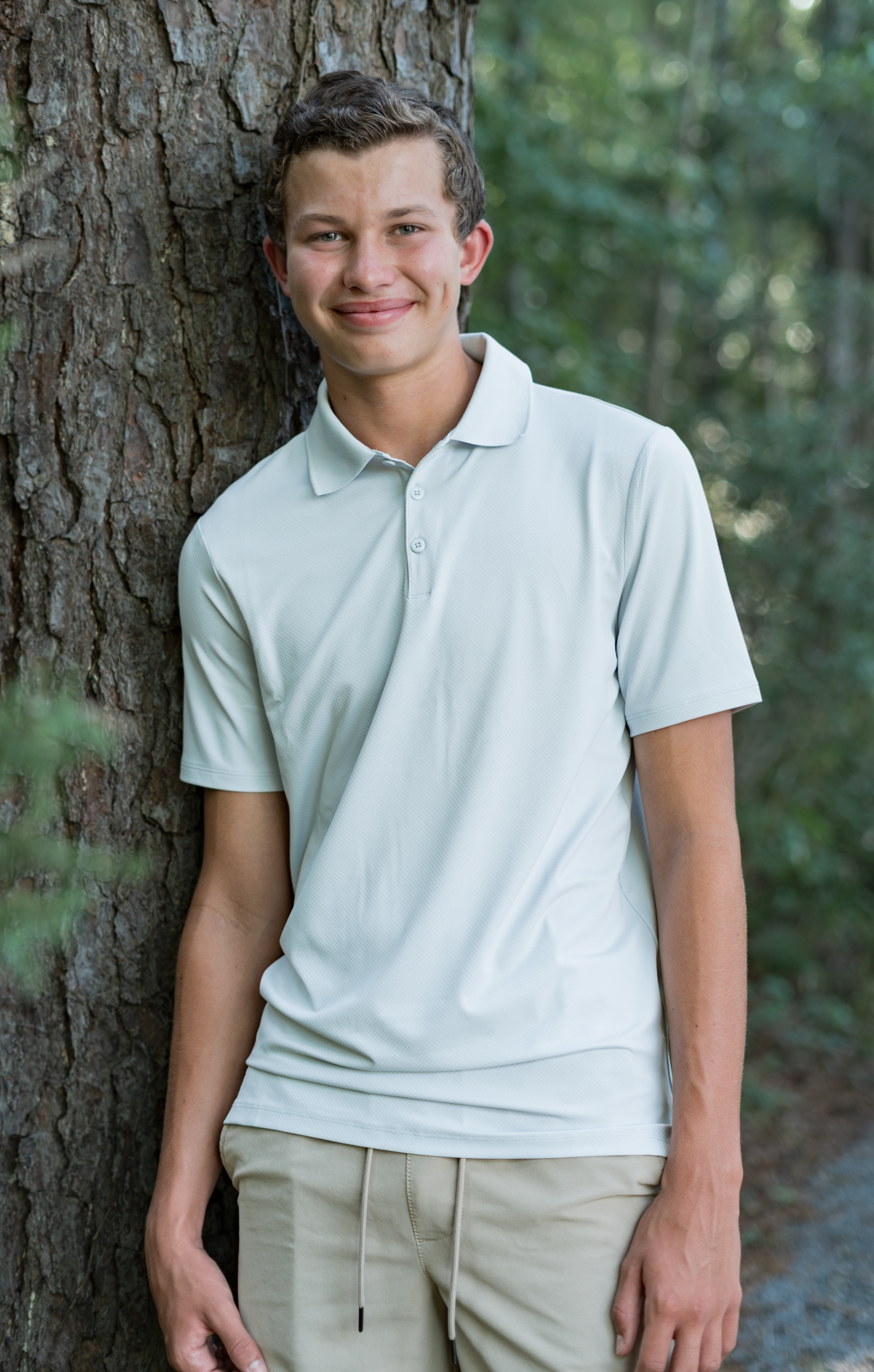
James Metzger
Summerville, SC
Getting my driver's license was something I looked forward to for years. It meant freedom, independence, and not having to rely on my parents to take me everywhere. But once I started driving, I realized that having a license comes with a lot more responsibility than just knowing how to operate a car. Every time I get behind the wheel, the decisions I make can affect not only my life but also the lives of my passengers, other drivers, pedestrians, and cyclists. In April 2026, I learned just how quickly everything can change on the road.
I was driving myself to school one morning and was stopped at a red light when another vehicle crashed into the side of my car. The impact left me covered in shattered glass, and I had to crawl out through the other side of the vehicle because of the damage. My car was totaled. What makes the experience even scarier to think about is that I wasn't speeding, distracted, or doing anything wrong. I was simply sitting at a red light on my way to school, just like any other morning. I was fortunate to walk away from that accident, but it's an experience I'll never forget.
That accident completely changed my perspective on driving. It made me realize that even when I'm following every rule, I can't assume everyone around me is paying attention or making safe decisions. Before the accident, I understood that driving could be dangerous, but experiencing a serious crash myself made those risks much more real.
That's why I believe driver education is so important. Learning how to drive isn't just about passing a test or memorizing traffic signs. It's about understanding the consequences of your actions and developing habits that can prevent accidents before they happen. Driver education helps new drivers recognize dangerous situations, understand traffic laws, and learn how to respond appropriately. It also teaches the importance of defensive driving, which means paying attention to what other drivers are doing and being prepared for unexpected situations. My accident showed me that even if you're following every rule, someone else might not be.
As a high school student, I know how easy it can be for teenagers to underestimate the risks of driving. We're used to being busy, constantly checking our phones, and trying to fit everything into our schedules. Between school, soccer practice, work, and other activities, it's easy to feel rushed. But being in a hurry is never worth putting someone's life at risk.
One of the biggest dangers facing drivers today is distracted driving. Phones are a major part of our everyday lives, and the temptation to check a notification, change a song, or respond to a text can be hard to ignore. However, taking your eyes off the road for even a few seconds can have serious consequences. I think one of the simplest ways to reduce accidents is for drivers to make a commitment to put their phones away before starting the car. A text message can wait. Someone's life cannot.
Speeding is another issue that I believe deserves more attention, especially among young drivers. It's easy to think that driving just a little over the speed limit isn't a big deal, particularly when you're running late. But speeding reduces the time you have to react and increases the severity of a crash. I've learned that getting somewhere a few minutes earlier isn't nearly as important as getting there safely.
I also believe that driver education should include more emphasis on sharing the road with pedestrians and cyclists. In my community, I regularly see people walking, biking, and crossing busy streets. Unlike someone inside a vehicle, they don't have a seat belt or the protection of a car around them. Drivers need to pay attention at intersections, slow down in neighborhoods and school zones, and always look carefully before turning. A moment of impatience or distraction can change someone's life forever.
Beyond teaching new drivers, I think reducing traffic deaths requires everyone to take responsibility for their behavior. Experienced drivers can develop bad habits, too, and sometimes become overconfident behind the wheel. Continued education, stronger awareness campaigns, and consistent enforcement of traffic laws can help remind people that safe driving is a lifelong responsibility. I also believe hearing real stories from people who have experienced serious accidents can make a difference. Statistics are important, but it's easier to understand the impact when you realize those numbers represent actual people and families.
As a varsity soccer player, I've learned that being part of a team means taking responsibility for more than just yourself. If I make a mistake on the field, it can affect the entire team. Driving is similar, except the consequences can be much more serious. I can't control every decision another driver makes, but I can control my own actions and do my part to keep others safe.
To become a better driver, I can continue practicing defensive driving, avoid distractions, follow speed limits, wear my seat belt, and never drive while impaired or overly tired. I can also plan ahead so I'm not rushing to get somewhere. If I'm driving friends, I need to remember that their safety is my responsibility, too. Being a good driver sometimes means making an unpopular decision, like asking passengers to wear their seat belts, refusing to drive recklessly, or speaking up when someone else is driving dangerously.
I also think young people have an opportunity to influence each other. Teenagers spend a lot of time riding with friends, and sometimes we hesitate to say something because we don't want to make things awkward. But I'd rather have an uncomfortable conversation than stay quiet while someone puts us in danger. Encouraging friends to put their phones down, slow down, or find a safe ride home can make a real difference.
As I prepare to graduate high school and head to college, driving will become an even bigger part of my independence. I'll be traveling to new places, meeting new people, and making more decisions on my own. I want to carry the lessons of driver education with me and continue improving my skills instead of assuming that having a license means I have nothing left to learn.
Ultimately, I believe safe driving comes down to respect: respect for the rules, respect for other people, and respect for the responsibility that comes with operating a vehicle. Every person on the road has a family, friends, and a future. Remembering that makes it easier to understand why even small decisions behind the wheel matter.
Getting my driver's license gave me freedom, but my accident taught me just how quickly that freedom can be taken away. I was fortunate to walk away from a totaled car, and I know that not everyone involved in a serious accident gets that opportunity. I can't control every driver on the road, but I can control my own decisions. Every time I get behind the wheel, I want to remember what happened that day in April and do my part to make sure everyone makes it home safely.
Content Disclaimer:
Essays are contributed by users and represent their individual perspectives, not those of this website.