Behind the Wheel: Education, Awareness, and Saving Lives
2026 Driver Education Round 2
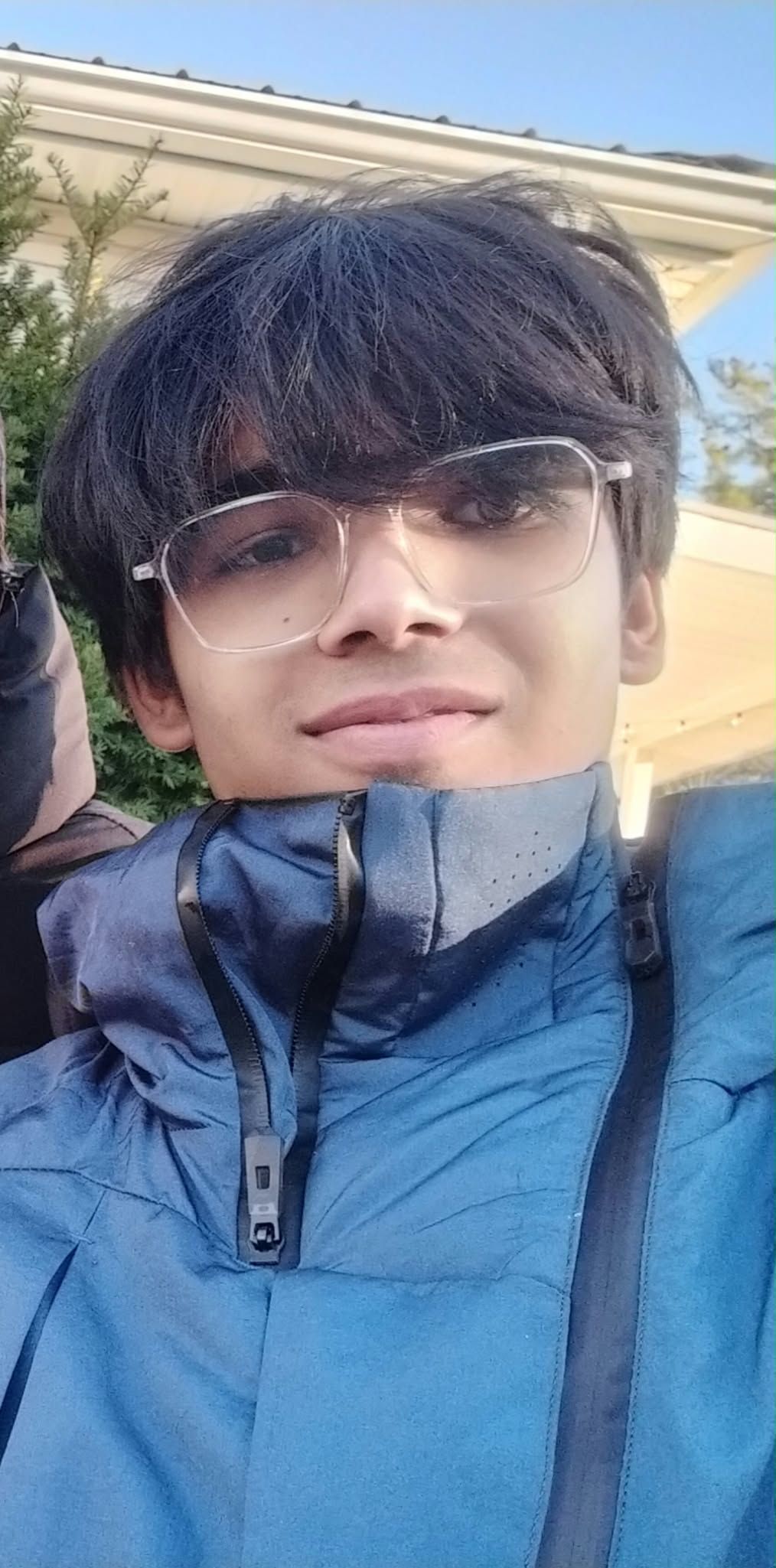
Param Khanal
Athens, Ohio
Getting a driver's license is one of the most exciting milestones for any young person. It gives us freedom, independence, and the ability to travel wherever we need to go. However, with that freedom comes a massive responsibility that many people overlook. Every single time we sit in the driver's seat, we hold our lives and the lives of others in our hands. Driver education plays a crucial role in reducing the number of deaths caused by driving accidents. It helps young drivers understand the importance of safe driving habits and teaches them the skills needed to navigate the roads responsibly. By learning the rules of the road, practicing proper techniques, and recognizing potential hazards early, drivers can significantly lower their chances of getting into a crash. When drivers are truly educated about the severe risks of distracted driving, speeding, and reckless behavior, they are much more likely to make safer choices every day. Through proper driver education programs, individuals gain the confidence and knowledge they need to handle unexpected challenges on the road, which ultimately saves lives.
Many drivers are simply not aware of how dangerous driving can actually be. The statistics surrounding motor vehicle accidents in the United States are both startling and scary, especially for newer drivers who lack experience. In America, an average of 34,000 people die each year as a result of driving. To put that number into perspective, it helps to compare it to other historical events. This means that more people die in one single year on American roads than the total number of American soldiers who died from war in Iraq and Afghanistan combined. Even more shocking, the total number of Americans who die within the span of just two years as a result of driving is greater than the total number of American deaths from the entire Vietnam war. These figures are heartbreaking. They show us that driving on our everyday roads is statistically more dangerous and deadly for our nation than being involved in active combat. This comparison highlights the serious consequences of being negligent or careless behind the wheel. When we step into a vehicle, we must remember that a car can easily become a deadly weapon if it is not handled with care.
To reduce the number of deaths related to driving across the nation, several important steps can be taken at both the community level and the individual level. First, communities can implement stricter laws against dangerous behaviors like texting while driving or driving under the influence of drugs and alcohol. Enforcing these rules strictly ensures that drivers take them seriously and fully understand the real consequences of unsafe actions. Second, investing in better road infrastructure can prevent many tragic crashes. Creating safer intersections, installing speed bumps in high-risk areas, adding clear street signage, and improving night lighting can make a huge difference. Third, creating strong awareness campaigns to educate the public about the dangers of reckless driving can encourage everyone to be more cautious. Finally, fostering a culture of responsibility where drivers actively look out for one another can make our roads safer for everyone. Education should not just stop once a student passes their driving test. It should be an ongoing conversation in schools, families, and communities.
I have personally seen how irresponsible driving can lead to real danger. For example, one time when I was riding in the car with a family member, I noticed that they were texting while driving. They were looking down at their phone instead of keeping their eyes on the road ahead. It made me very nervous, and I had to build up the courage to ask them to stop. Thankfully, they listened to me and put their phone away for the rest of the trip. I have also heard stories from friends who got into minor accidents because they were not paying attention, were playing with the radio, or were driving too fast around sharp curves. These personal experiences have made me realize just how important it is to be constantly aware of what is happening while driving and to always follow safety rules without exception.
To be a better and safer driver myself, there are clear steps I can take to improve my own habits and encourage others to do the same. First, I can make a personal pledge to always stay completely alert and avoid all distractions. This means putting my phone away in the glove box, avoiding eating while driving, and setting up my music before I take the car out of park. Second, I can make sure I always follow posted speed limits and adjust my speed based on bad weather or rough road conditions. Third, I can set a positive example for my friends and family members. I can explain the importance of safe driving to them and gently remind them to avoid risky behaviors whenever I am a passenger in their car. By doing these practical things, I can contribute to making roads safer for everyone and help prevent tragic accidents before they happen.
Safe driving is not just about following the rules of the law to avoid getting a ticket. It is about protecting human lives and taking responsibility for our communities. Driver education and adopting responsible habits on the road can make a huge difference in reducing the overall number of accidents and deaths each year. Together, by staying educated and driving mindfully, we can create a safer environment where everyone feels secure while traveling.
Content Disclaimer:
Essays are contributed by users and represent their individual perspectives, not those of this website.