Behind the Wheel: Why Safe and Educated Driving Matters
2026 Driver Education Round 2
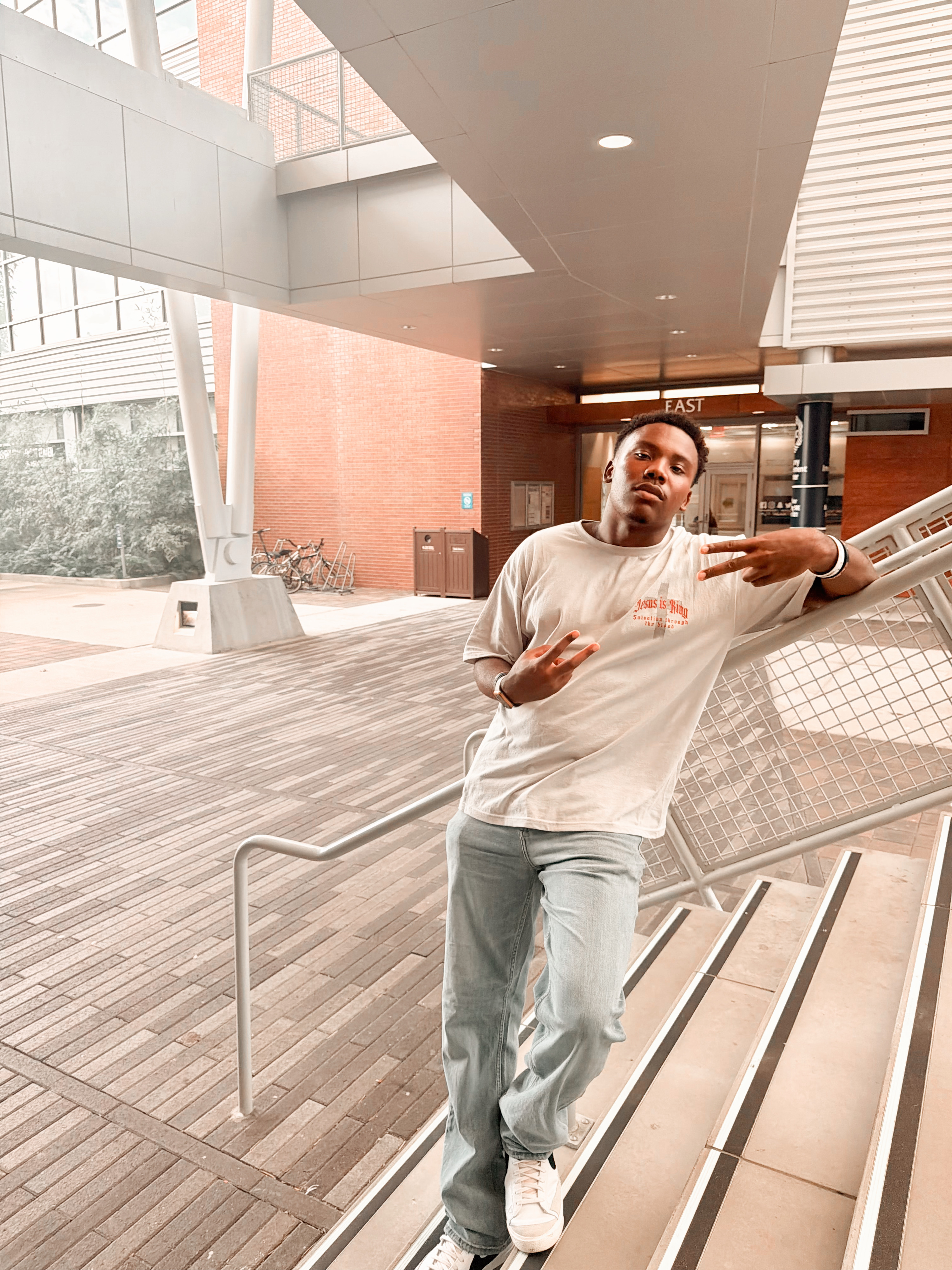
Malachi Jones
Jacksonville, Florida
Driving is something that many people look forward to when they are younger because it represents freedom, independence, and responsibility. Being able to drive yourself to school, work, or anywhere else without depending on someone is a major milestone. However, as I have gotten older, I have realized that driving is much more than having a license and knowing how to operate a vehicle. It is about making responsible decisions, staying aware of your surroundings, and understanding that every choice you make behind the wheel can affect someone else's life.
As a 20-year-old college student at the University of North Florida, I understand how important transportation is when balancing classes, work, and personal responsibilities. College students often have busy schedules, and sometimes it feels like there are not enough hours in the day to get everything done. However, being in a hurry should never become an excuse for driving recklessly. Arriving a few minutes late is much better than putting yourself or someone else in danger just to save time.
One of the biggest responsibilities of being a safe driver is avoiding distractions. With technology being such a major part of our everyday lives, it can be tempting to check a text message, change a song, or look at a notification while driving. Although these actions might seem harmless, taking your eyes off the road for even a few seconds can have serious consequences. A driver might not notice someone crossing the street, a vehicle suddenly stopping, or a traffic light changing. I believe that no text message, phone call, or social media notification is worth risking someone's safety.
Another important part of safe driving is understanding traffic laws and why they exist. Speed limits, stop signs, traffic signals, and road markings are designed to help drivers navigate safely and reduce the chances of accidents. Sometimes people treat these laws like inconveniences instead of recognizing their purpose. For example, speeding might help someone reach their destination a little faster, but it also reduces the time available to react to unexpected situations. Being an educated driver means understanding that traffic laws are not simply rules to memorize for a driving test. They are guidelines that protect everyone who shares the road.
I also believe that patience is one of the most overlooked qualities of a responsible driver. There will always be situations where another driver makes a mistake, drives too slowly, or behaves aggressively. However, responding with anger only makes the situation worse. Road rage can turn an ordinary disagreement into something dangerous. Instead of trying to prove a point, drivers should remain calm, give others enough space, and focus on getting to their destinations safely. Sometimes being the bigger person means letting someone merge into your lane or choosing not to react when another driver cuts you off.
Being educated about driving also involves recognizing the dangers of driving under the influence. Alcohol and drugs can affect judgment, coordination, and reaction time, making it much harder to operate a vehicle safely. No one should ever feel pressured to drive when they are impaired or ride with someone who is. Planning ahead, choosing a designated driver, or finding another safe way home can prevent tragedies. Making responsible choices before getting behind the wheel is just as important as making them while driving.
Another issue that deserves more attention is driving while tired. College students sometimes stay up late studying, completing assignments, working, or spending time with friends. Fatigue can make it difficult to concentrate and respond quickly to changing road conditions. Even when someone has not consumed alcohol or drugs, driving while extremely tired can still be dangerous. Recognizing when you are not in the right condition to drive is a sign of maturity, not weakness.
Safe driving also requires awareness of people who may be more vulnerable on the road. Pedestrians, bicyclists, motorcyclists, and children do not have the same physical protection as someone inside a vehicle. Drivers should pay close attention near crosswalks, neighborhoods, schools, and intersections. Giving people enough room and respecting their right to use the road demonstrates consideration for others. I think it is important to remember that everyone we encounter in traffic is a person with their own family, responsibilities, and future.
Beyond individual choices, driver education plays an important role in building safer communities. Learning how to handle difficult weather, maintain a vehicle, understand road signs, and respond to emergencies helps drivers become more confident and prepared. Education should not stop after someone receives their driver's license. Roads, technology, and driving conditions continue to change, which means drivers should remain willing to learn and improve their habits throughout their lives.
As someone studying Public Relations and Advertising, I also recognize how communication can influence driving behavior. Public awareness campaigns, educational videos, and social media messages can encourage people to think more seriously about distracted driving, speeding, and other unsafe decisions. A meaningful message can remind someone to put their phone away or wear a seat belt before starting their car. I hope to use my communication skills in the future to promote messages that positively impact people's lives.
Ultimately, being a safe and educated driver means understanding that driving is both a privilege and a responsibility. It requires discipline, patience, awareness, and respect for other people. Every time someone gets behind the wheel, they have an opportunity to make decisions that protect themselves and their community. I believe the true measure of a good driver is not how quickly they reach their destination, but how responsibly they get there. No matter how busy life becomes, safety should always come first because every life on the road matters.
Content Disclaimer:
Essays are contributed by users and represent their individual perspectives, not those of this website.