Beyond the Steering Wheel: The Responsibility of Every Driver
2026 Driver Education Round 2
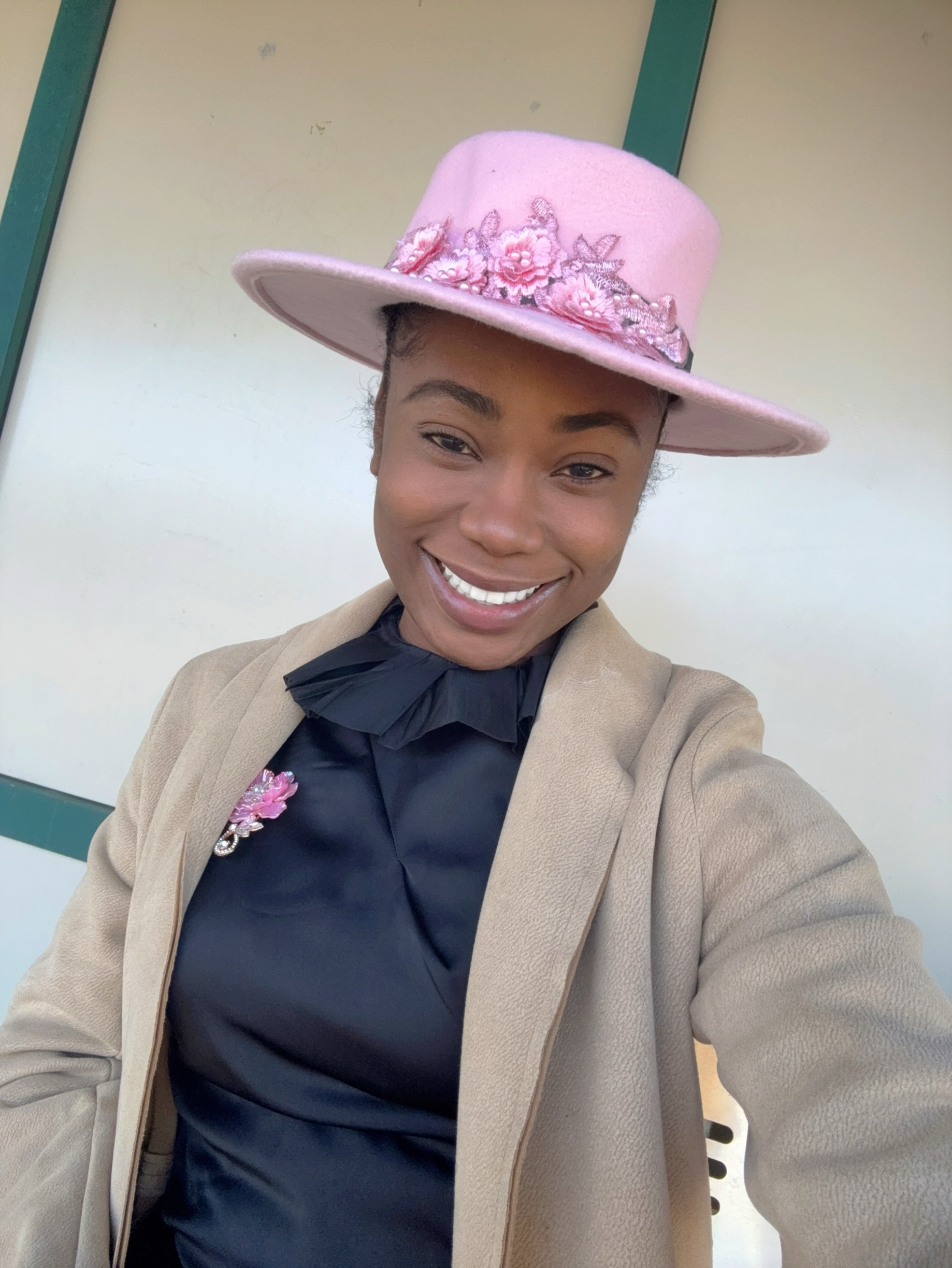
Christelle Philippe
Brooklyn, NY
Driving is more than knowing how to operate a vehicle. It is a responsibility that involves protecting yourself, your passengers, pedestrians, cyclists, and everyone else sharing the road. Every time someone gets behind the steering wheel, they make decisions that can affect lives in ways they may never imagine. A moment of distraction, impatience, or poor judgment can turn an ordinary day into a tragedy. This is why driver education is not simply about passing a road test; it is about understanding the value of human life and recognizing that every decision on the road matters.
Driver education plays an important role in reducing traffic deaths because it teaches people how to recognize risks and make responsible decisions. Learning traffic signs, road regulations, and basic driving techniques is essential, but understanding why these rules exist is equally important. A red light, for example, is not just a signal telling drivers to stop. It helps protect pedestrians crossing the street and prevents vehicles from entering an intersection at the same time. When drivers understand the purpose behind traffic laws, they are more likely to respect them instead of treating them as obstacles or suggestions. Driver education can also teach new drivers how to anticipate danger, maintain control, judge distance, and respond calmly when unexpected situations occur. These skills can help prevent a mistake from becoming a life-changing accident.
Reducing driving-related deaths requires more than teaching people how to pass a test. It requires changing attitudes and everyday behavior. Drivers must put away their phones, avoid texting, and resist distractions inside and outside the vehicle. They should obey speed limits, wear seat belts, leave enough space between vehicles, use turn signals, and never drive under the influence of alcohol or drugs. They must also recognize when they are too tired, upset, or unwell to drive safely. Passengers have a role, too: they can avoid distracting the driver and speak up when someone is behaving dangerously. Communities and schools can support safer roads by offering accessible driver education, sharing road-safety information, and teaching children and teenagers how to behave safely around traffic. Consistent enforcement of traffic laws and well-designed roads can reinforce these efforts.
I understand the importance of these lessons not only in theory, but also through an experience I witnessed. I was inside another vehicle when I saw a driver become so focused on following the vehicle in front that they failed to pay attention to the traffic light. Instead of stopping, the driver continued through the intersection and ran the red light, causing an accident. Seeing this happen made me realize how quickly an ordinary drive can become dangerous. The driver appeared to be following another person’s actions rather than making an independent decision and paying attention to the signal. That moment stayed with me because the situation could have been avoided if the driver had simply watched the traffic light and followed the rules.
The experience also showed me that driving responsibly requires more than watching the car directly ahead. A driver cannot assume that another person will make the right decision. The vehicle in front might speed up, stop suddenly, or make an unsafe move; that does not mean the driver behind should copy it. Each person operating a vehicle must remain alert and make their own decisions. Traffic signals, pedestrians, cyclists, road conditions, and surrounding vehicles all deserve attention. I was reminded that an accident can affect people who had no control over the careless decision that caused it. That is why road safety is a shared responsibility, not a matter of individual convenience.
Personally, I can become a safer driver by treating every trip, even a short one, with care and attention. I can practice defensive driving by scanning the road, checking mirrors, keeping a safe following distance, and anticipating what other road users might do. I can obey traffic signals and speed limits instead of rushing, avoid using my phone, and make sure everyone in the vehicle is wearing a seat belt. I also need to be honest with myself about my condition. If I am exhausted, distracted, or emotionally overwhelmed, choosing not to drive until I am ready is a responsible decision, not a weakness. Safe driving means understanding that arriving a little later is better than putting a life at risk.
I can also help others become safer by setting a good example and speaking up respectfully. If I am a passenger and a driver is texting, speeding, or ignoring traffic signals, I should not stay silent simply because it feels uncomfortable to say something. I can encourage friends and family to plan ahead, wear seat belts, put their phones away, and never drive after drinking. These conversations may seem small, but reminding someone to make a safer choice can matter. I cannot control every driver’s behavior, but I can make responsible choices and encourage the people around me to do the same.
Ultimately, a driver’s license is more than permission to operate a vehicle; it represents a responsibility to protect lives. We cannot prevent every accident, but we can reduce preventable crashes by making thoughtful decisions and respecting the rules designed to keep people safe. The road is shared by people with families, responsibilities, dreams, and futures. Every person deserves the chance to reach their destination safely. Driver education should leave us with more than the ability to steer, park, and recognize signs. It should teach us patience, awareness, accountability, and respect for others. Getting somewhere a few minutes faster will never be worth risking someone’s life. A responsible driver does not simply know how to drive; a responsible driver understands that every life on the road matters.
Content Disclaimer:
Essays are contributed by users and represent their individual perspectives, not those of this website.