Cars Are Elevators That Move Sideways
2026 Driver Education Round 1

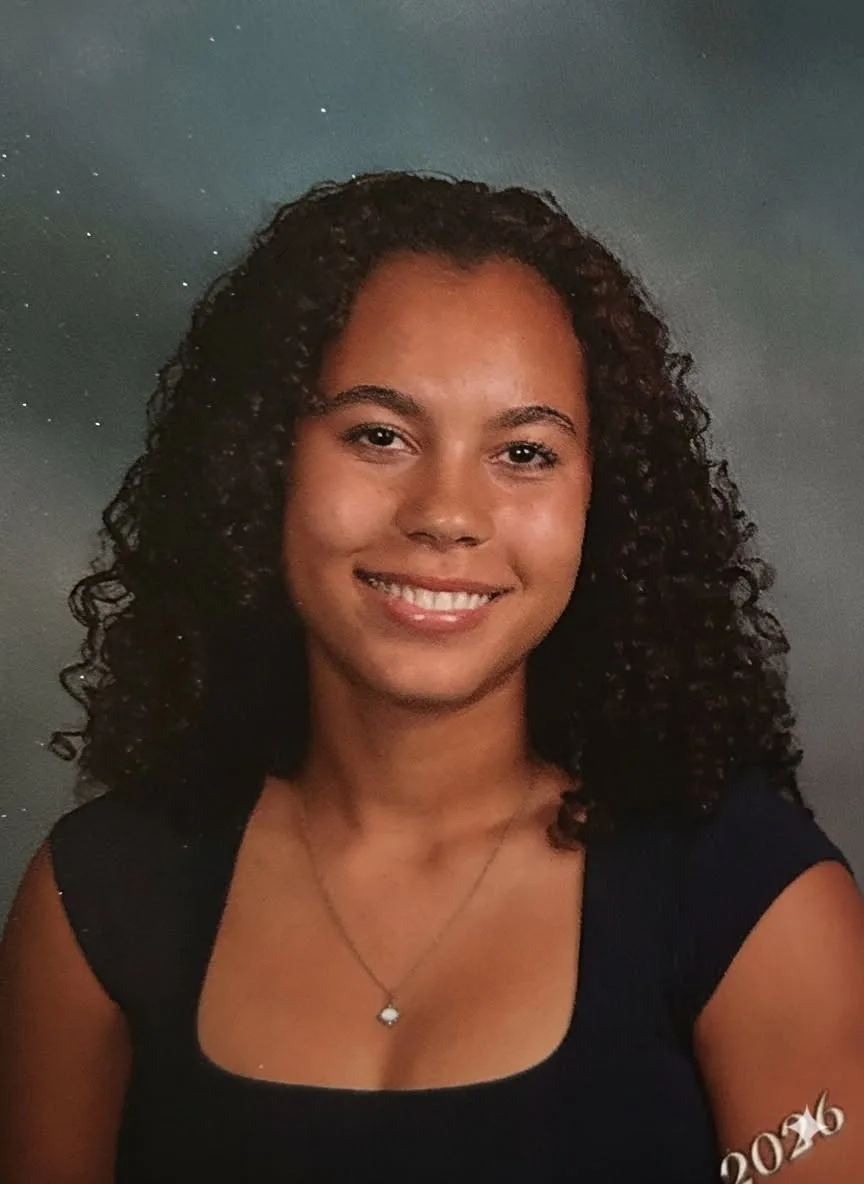
Natalia Figueroa
Glendale Heights, IL
A few months ago, I stepped into an elevator without giving it a second thought, I pressed a button, rode to my destination, and walked out. Nobody expects an elevator ride to be exciting. We do not race other elevators to the top floor, hold therapy sessions inside them, settle arguments, or drink beforehand to make the ride more entertaining. An elevator has one purpose: to transport people safely from one place to another. In many ways, a car is simply an elevator that moves horizontally, it was engineered for the same purpose, to transport people safely. Somewhere along the way, however, we forgot that. Cars have become places to send one last text, continue heated arguments, prove bravery through speed, celebrate with alcohol, or let anger take control. They were never designed for any of those things, and every time we treat them as something other than transportation, we increase the risk of turning an ordinary drive into a lifelong tragedy.
That is why driver education is so important. Learning how to steer, park, or recognize traffic signs is only one part of becoming a safe driver. The greater lesson is understanding that driving is a responsibility, not a privilege to misuse. Every decision made before turning the key, choosing not to drink, putting away a phone, refusing to race, or deciding not to drive because your judgment is clouded, is just as important as every decision made behind the wheel. Every year, more than 40,000 people lose their lives in motor vehicle crashes in the United States, roughly one person every twelve minutes. About one-third of those fatalities involve alcohol-impaired driving, while speeding continues to be one of the leading contributors to deadly crashes. Behind every statistic is someone who expected to make it home for dinner, celebrate a birthday, or simply drive back from school, instead, families are left with empty chairs, unanswered phone calls, and memories that will never be replaced.
I have experienced that reality within my own family. My cousin lost his life while racing, and his death taught me that reckless driving does not only affect the person behind the wheel, it permanently changes the lives of everyone who loves them. A moment of excitement lasted only seconds, but the consequences will last generations. That loss cannot be undone, but it reminds me that meaningful driver education has the power to prevent tragedies before they ever happen.
One lesson my parents have repeated throughout my life is, "Do not drive emotionally absorbed." I used to think they only meant not driving while angry or crying, but I have come to realize their advice goes much deeper than that. Being emotionally absorbed means your mind is no longer fully focused on the road. It can happen when you are overwhelmed after a stressful day, exhausted from work or school, heartbroken after an argument, celebrating under the influence of alcohol or drugs, or simply feeling like your life is falling apart. You do not have to be in tears to make dangerous decisions, you only have to let your emotions become louder than your judgment. A blurred mind cannot make clear decisions, and behind the wheel, one poor decision may be all it takes. Recently, I read about a college student who forced his girlfriend to get into the car so they could continue an argument. While driving under the influence, he crashed into a tree. He walked away, but she lost a limb. The collision did not begin when the car struck the tree, it began the moment they decided that a moving vehicle was the place to continue an emotional confrontation. A car is not a therapy office, it is not a mobile bar, it is not a racetrack. It is a machine designed to bring people home safely.
Reducing traffic deaths requires more than teaching people how to pass a driving test, it requires teaching people how to recognize when they should not drive at all. Driver education should include emotional awareness, impaired-driving prevention, distracted driving, defensive driving, and the confidence to make responsible choices, even when friends pressure you otherwise. More importantly, it should encourage us to look after one another. Sometimes preventing a crash is as simple as taking a friend's keys, offering them a ride home, suggesting that difficult conversation wait until tomorrow, or inviting the friend who seems overwhelmed today to sit down for a coffee before they get behind the wheel. Sometimes the safest decision is not made by the driver, but by the person who cared enough to step in. I believe the answer does not lie only in stricter laws or safer vehicles, although both are important. The answer also lies in human connection. We need campaigns that remind people to check on one another, communities that encourage speaking up instead of staying silent, and families that continue passing down advice like my parents did. We should normalize asking, "Are you okay to drive?" with the same seriousness as asking someone to wear a seatbelt. Looking after each other should become just as much a part of driver education as learning to parallel park.
Personally, I can contribute by holding myself to those standards every time I drive. I can refuse to text behind the wheel, never drive after drinking, avoid driving when my judgment is clouded by emotion or exhaustion, and speak up when friends or family make unsafe choices. Being a safe driver is not only about protecting myself, it is about protecting every stranger sharing the road with me. Like an elevator, the best ride is the one nobody remembers because nothing went wrong. We never congratulate an elevator for safely reaching the next floor because safety is the expectation, driving should be viewed the same way. Cars were created to transport us, not to become therapy offices, mobile bars, or racetracks. The greatest achievement behind the wheel is not speed or excitement, it is arriving home safely, and making sure everyone else has the chance to do the same.
That is why driver education is so important. Learning how to steer, park, or recognize traffic signs is only one part of becoming a safe driver. The greater lesson is understanding that driving is a responsibility, not a privilege to misuse. Every decision made before turning the key, choosing not to drink, putting away a phone, refusing to race, or deciding not to drive because your judgment is clouded, is just as important as every decision made behind the wheel. Every year, more than 40,000 people lose their lives in motor vehicle crashes in the United States, roughly one person every twelve minutes. About one-third of those fatalities involve alcohol-impaired driving, while speeding continues to be one of the leading contributors to deadly crashes. Behind every statistic is someone who expected to make it home for dinner, celebrate a birthday, or simply drive back from school, instead, families are left with empty chairs, unanswered phone calls, and memories that will never be replaced.
I have experienced that reality within my own family. My cousin lost his life while racing, and his death taught me that reckless driving does not only affect the person behind the wheel, it permanently changes the lives of everyone who loves them. A moment of excitement lasted only seconds, but the consequences will last generations. That loss cannot be undone, but it reminds me that meaningful driver education has the power to prevent tragedies before they ever happen.
One lesson my parents have repeated throughout my life is, "Do not drive emotionally absorbed." I used to think they only meant not driving while angry or crying, but I have come to realize their advice goes much deeper than that. Being emotionally absorbed means your mind is no longer fully focused on the road. It can happen when you are overwhelmed after a stressful day, exhausted from work or school, heartbroken after an argument, celebrating under the influence of alcohol or drugs, or simply feeling like your life is falling apart. You do not have to be in tears to make dangerous decisions, you only have to let your emotions become louder than your judgment. A blurred mind cannot make clear decisions, and behind the wheel, one poor decision may be all it takes. Recently, I read about a college student who forced his girlfriend to get into the car so they could continue an argument. While driving under the influence, he crashed into a tree. He walked away, but she lost a limb. The collision did not begin when the car struck the tree, it began the moment they decided that a moving vehicle was the place to continue an emotional confrontation. A car is not a therapy office, it is not a mobile bar, it is not a racetrack. It is a machine designed to bring people home safely.
Reducing traffic deaths requires more than teaching people how to pass a driving test, it requires teaching people how to recognize when they should not drive at all. Driver education should include emotional awareness, impaired-driving prevention, distracted driving, defensive driving, and the confidence to make responsible choices, even when friends pressure you otherwise. More importantly, it should encourage us to look after one another. Sometimes preventing a crash is as simple as taking a friend's keys, offering them a ride home, suggesting that difficult conversation wait until tomorrow, or inviting the friend who seems overwhelmed today to sit down for a coffee before they get behind the wheel. Sometimes the safest decision is not made by the driver, but by the person who cared enough to step in. I believe the answer does not lie only in stricter laws or safer vehicles, although both are important. The answer also lies in human connection. We need campaigns that remind people to check on one another, communities that encourage speaking up instead of staying silent, and families that continue passing down advice like my parents did. We should normalize asking, "Are you okay to drive?" with the same seriousness as asking someone to wear a seatbelt. Looking after each other should become just as much a part of driver education as learning to parallel park.
Personally, I can contribute by holding myself to those standards every time I drive. I can refuse to text behind the wheel, never drive after drinking, avoid driving when my judgment is clouded by emotion or exhaustion, and speak up when friends or family make unsafe choices. Being a safe driver is not only about protecting myself, it is about protecting every stranger sharing the road with me. Like an elevator, the best ride is the one nobody remembers because nothing went wrong. We never congratulate an elevator for safely reaching the next floor because safety is the expectation, driving should be viewed the same way. Cars were created to transport us, not to become therapy offices, mobile bars, or racetracks. The greatest achievement behind the wheel is not speed or excitement, it is arriving home safely, and making sure everyone else has the chance to do the same.
Content Disclaimer:
Essays are contributed by users and represent their individual perspectives, not those of this website.