Driver Education Personal Essay
2026 Driver Education Round 2
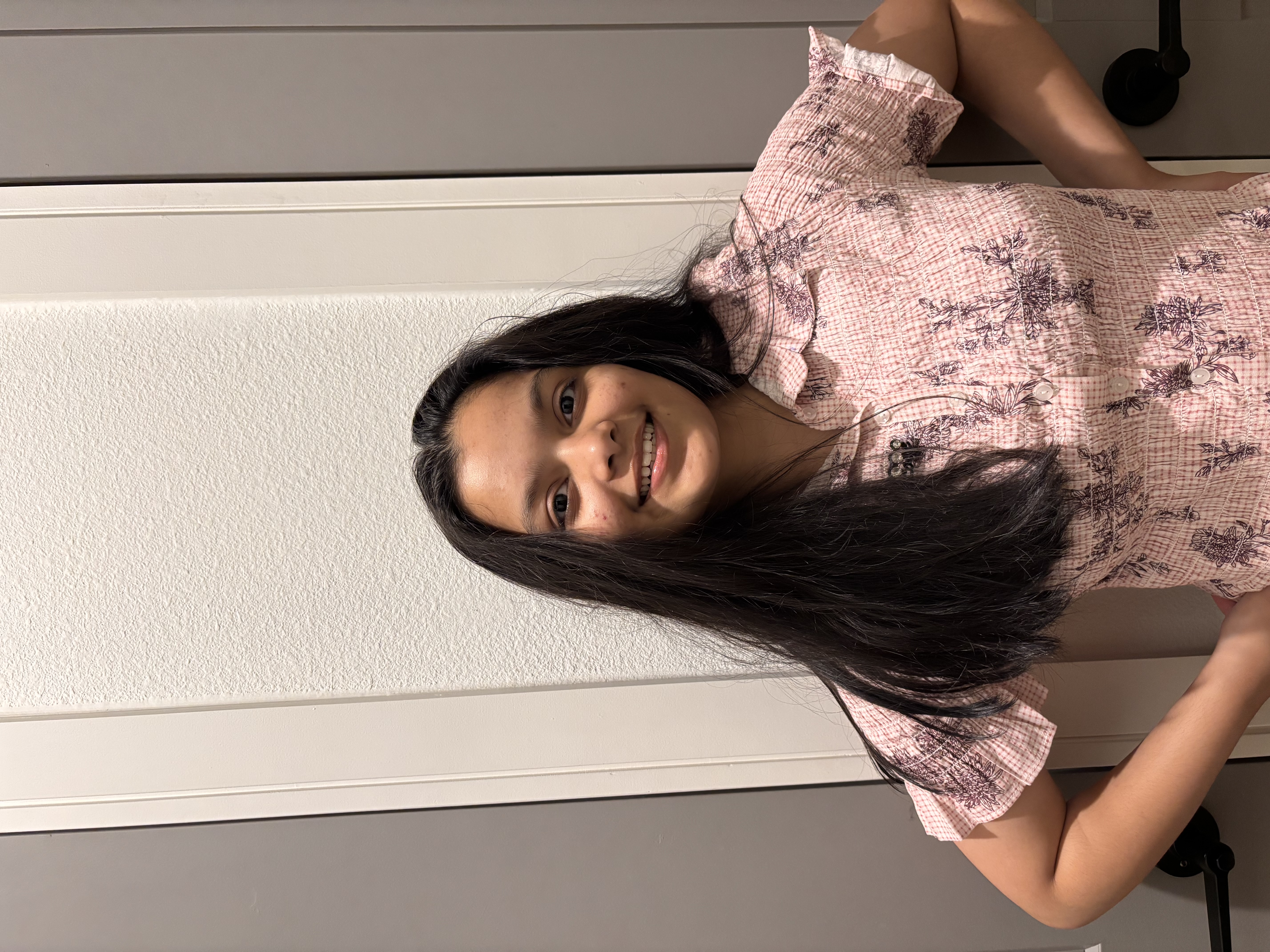
Saadika Vandanapu
Dallas, Texas
A road is something most of us use every day without thinking twice about it. We travel to places like school, work, stores, and home, often treating the journey as the most normal part of our day. But every time someone gets behind the wheel, they take on a responsibility that reaches far beyond themselves. One careless decision can change the lives of people who may never even enter the vehicle. I understand that responsibility in a deeply personal way because my family lost my brother in a car accident involving our neighbor while my brother was riding his bicycle. His death showed me that road safety is not just a subject in a driver’s education class. It is about real people, families, and lives.
Driver education is important because knowing how to operate a car is not the same as knowing how to drive safely. A person can learn the controls of a vehicle and pass a driving test, but safe driving also requires judgment, patience, awareness, and the ability to recognize risks before they become emergencies. Good driver education teaches people to follow traffic laws, maintain safe speeds and distances, understand and stay alert to changing road conditions. It should also make clear the dangers of speeding, impaired driving, fatigue, and using a phone behind the wheel. Most importantly, it teaches drivers to look beyond other cars. Cyclists, pedestrians, children, and people crossing the street are also part of the road environment. They deserve attention and space, not just assumptions that they will simply get out of the way.
Reducing deaths related to driving requires more than one solution. Education is a starting point, but it must be supported by consistent action. Drivers should wear seat belts, obey speed limits, leave enough following distance, check blind spots, and never drive while distracted or impaired. They should slow down near schools, neighborhoods, intersections, and areas where people may be walking or cycling. Communities and governments also have a role to play. Roads can be made safer through visible crosswalks, protected bicycle lanes, good lighting, clear signs, and safer intersections. Fair enforcement of traffic laws and accessible driver education can reinforce these habits. The goal should not simply be to punish mistakes after they happen, but to prevent dangerous situations in the first place.
Losing my brother has made these issues impossible for me to be taken lightly. He was riding his bicycle when he was involved in an accident with our neighbor driving his car, and he did not survive. I do not share this experience to assign blame or to claim that one class or one precaution could have changed what happened. I share it because it taught me how vulnerable people outside vehicles can be, and how serious the responsibility of every road user is. A bicycle and a car do not offer the same level of protection. Drivers must remember that cyclists and pedestrians are not obstacles; they are people whose safety depends partly on the attention and decisions of those around them. Behind every person on the road is a life and a family that matters.
As I continue learning and gaining experience as a driver, I want my actions to reflect that understanding. I think all of us can commit to putting our phone away, following speed limits even when we are in a hurry, wearing our seat belt, checking carefully for cyclists and pedestrians, and never driving when we are too tired or otherwise not in a safe condition to do so. I also believe that we should be willing to speak up as a passengers if someone is driving recklessly, and to encourage friends and family not to treat unsafe behavior as a normal thing to not address. I believe that being a safer driver is not about believing I am incapable of making a mistake. It is about staying humble, paying attention, and making careful choices every time. These are small actions, but when practiced consistently, they can make a meaningful difference.
Driver education cannot remove every risk from the road, but it can most definitely help people understand the power and responsibility that come with driving. For me, this subject is connected to me at a very personal level and to the reminder that road safety affects real families. No one can change what has happened, but we can carry its lesson forward. Every drive deserves care, every road user deserves respect, and arriving safely should always matter more than arriving quickly.
Content Disclaimer:
Essays are contributed by users and represent their individual perspectives, not those of this website.
The Solemn Responsibility of the Wheel: Drivers Education as a Lifesaving Imperative
Guillermo Jimenez