The Solemn Responsibility of the Wheel: Drivers Education as a Lifesaving Imperative
2026 Driver Education Round 2
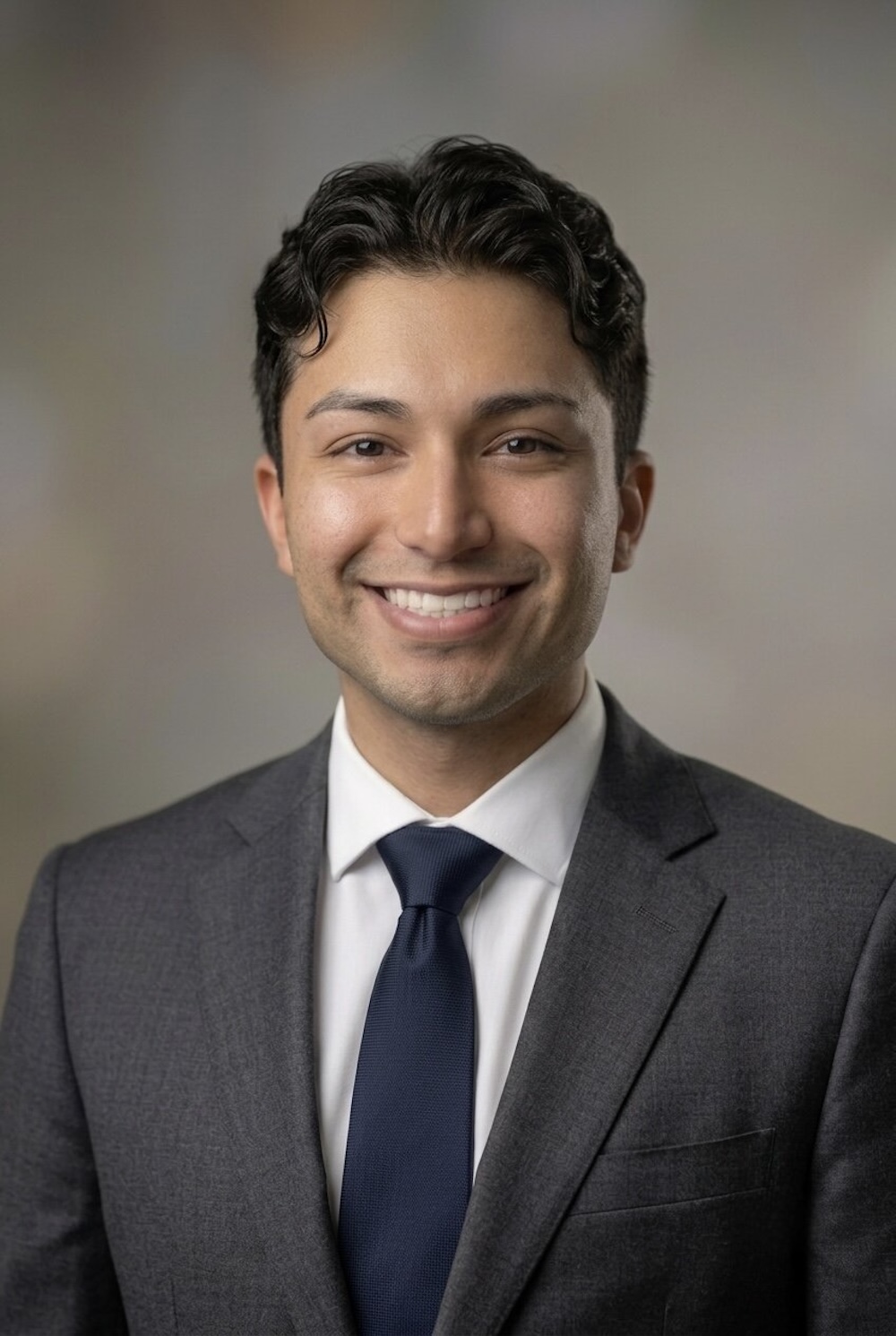
Guillermo Jimenez
Glendale, AZ
In the United States, an average of thirty four thousand people lose their lives each year in motor vehicle collisions. To put this sobering reality into proper perspective, more Americans perish on our nation’s roadways in a single year than the combined total of American service members who lost their lives during the conflicts in Iraq and Afghanistan. Within a span of just two years, traffic fatalities exceed the total American deaths suffered throughout the entire Vietnam War. These staggering statistics expose a profound cultural disconnect: driving is statistically more dangerous for our citizens than active military combat, yet society routinely treats operating a motor vehicle as a mindless, routine daily habit rather than a massive personal responsibility.
The core driver of this nationwide tragedy is negligence born from a lack of awareness and inadequate education. Modern vehicles are complex, heavy machines capable of traveling at tremendous speeds. In the hands of an untrained, distracted, or careless individual, a car ceases to be a convenient tool for transportation and becomes a kinetic hazard. Reversing this crisis requires a fundamental shift in how we approach drivers education, individual responsibility, and public safety on our roads.
The importance of comprehensive drivers education cannot be overstated. Proper driver training does far more than teach a beginner how to steer, park, or pass a written licensing exam. True drivers education instils spatial awareness, cognitive risk assessment, and a deep respect for physical dynamics like braking distances and momentum. An educated driver understands how speed exponentially reduces reaction time and increases impact severity. Furthermore, formal education equips individuals with defensive driving techniques, enabling them to anticipate hazards, navigate adverse weather conditions, and respond calmly to unpredictable traffic scenarios. When drivers are thoroughly educated, they cease viewing traffic laws as inconvenient rules and begin recognizing them as essential safeguards designed to keep every road user alive.
My perspective on the serious consequences of road negligence is grounded in my clinical experiences within healthcare. As an Emergency Department volunteer at Flagstaff Medical Center, a high volume Level I trauma center, I witnessed the devastating reality of traffic accidents firsthand. Flagstaff sits at the intersection of major highway corridors, and winter weather frequently turns local roads into hazardous ice hazards. On multiple shifts, I watched trauma teams rush to stabilize victims brought in directly from high speed highway collisions.
I saw families unraveled in a single instant because a driver chose to check a text message, speed through an intersection, or operate a vehicle while intoxicated or fatigued. Sitting in waiting rooms with grieving loved ones taught me that traffic accidents are rarely truly accidental. In almost every instance, they are the direct result of a preventable decision to sacrifice focus and caution for temporary convenience. The visceral trauma experienced in an emergency room leaves an indelible impression: behind the wheel, a split second of negligence can destroy a lifetime.
To significantly reduce motor vehicle fatalities across our country, several decisive steps must be implemented at both the individual and societal levels. First, we must aggressively combat distracted driving. Mobile devices are one of the greatest threats to road safety today. Taking one's eyes off the road for just five seconds while traveling at highway speeds is equivalent to driving the entire length of a football field completely blindfolded. Vehicles should be operated with strict personal rules, such as placing phones completely out of reach or setting devices to do not disturb mode before turning the ignition key.
Second, we must strictly enforce zero tolerance policies regarding impaired driving. Driving under the influence of alcohol, drugs, or extreme fatigue fundamentally impairs reaction times and judgment. Individuals must make a firm commitment to plan safe transportation in advance whenever alcohol is involved. Third, communities must advocate for mandatory, modernized drivers education programs that emphasize hands on defensive driving and real world hazard perception before issuing driver licenses to young adults.
On a personal level, I hold myself to an uncompromising standard whenever I sit in the driver's seat. As a graduate student pursuing a Master of Science in Cardiovascular Perfusion at Midwestern University, I am preparing for a career operating life sustaining cardiopulmonary bypass machinery during open heart surgery. In the operating room, maintaining total focus and following strict safety protocols is essential because there is zero margin for error. I apply that exact same clinical discipline to my time behind the wheel. When I drive, my phone remains silent and out of reach, my full attention is directed at the road and surrounding traffic, and I constantly monitor my environment for potential hazards.
Furthermore, I actively promote safe driving habits among my peers, family members, and community. I refuse to ride as a passenger with anyone who texts or drives recklessly, and I never hesitate to speak up and offer to navigate or drive if a driver becomes distracted. Being a leader means taking a firm stand for safety even when it feels uncomfortable.
Driving is a privilege, not an inherent right. It requires a silent pact among all citizens that we will protect one another by remaining vigilant, sober, and focused behind the wheel. Through rigorous drivers education, heightened personal accountability, and a collective commitment to eliminating distractions, we can honor the lives lost on our highways and build a future where every driver arrives home safely.
Content Disclaimer:
Essays are contributed by users and represent their individual perspectives, not those of this website.

The Empty Chair at the Table: Reframing Driving Education as a Family Lifeline
Gianna Cotto