Every Mile Matters: How Driver Education Saves Lives
2026 Driver Education Round 2
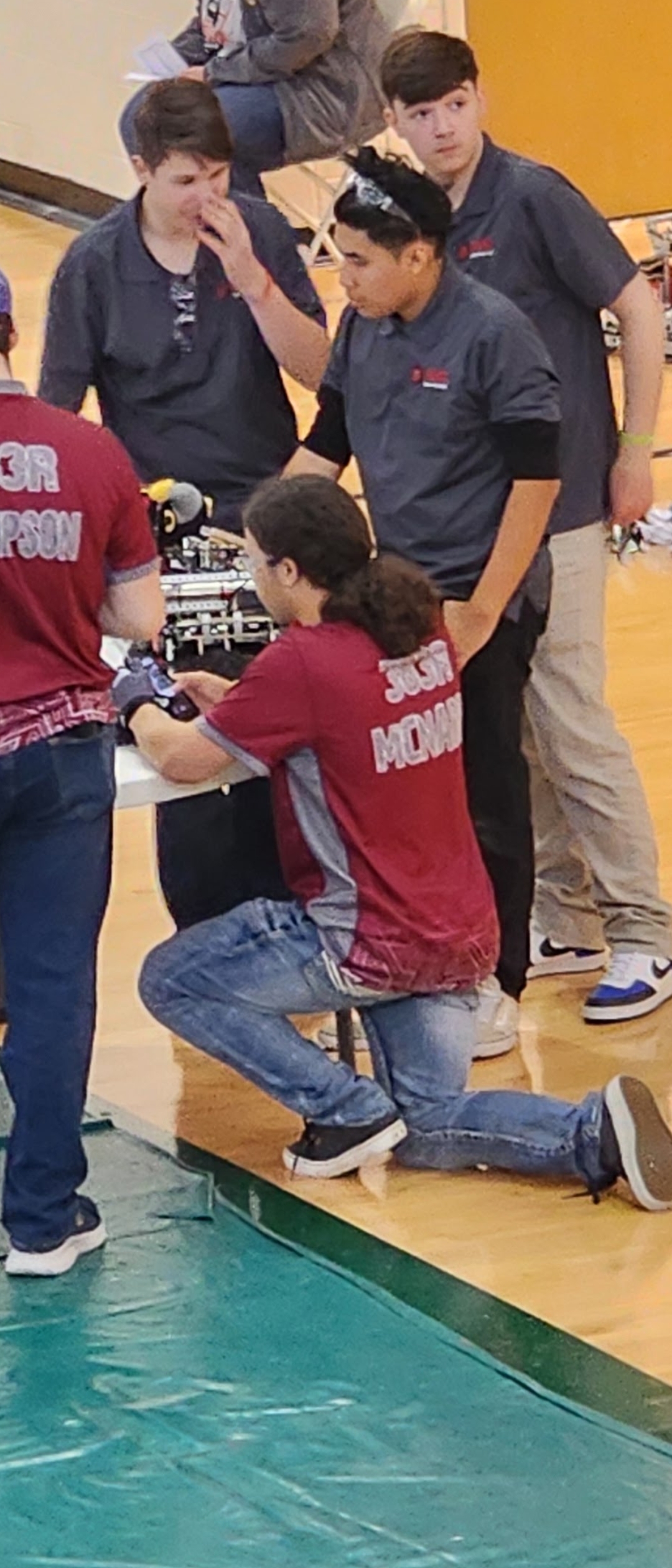
Calob McNabb
Valdosta, GA
Every day, people leave home expecting to arrive safely and never do. Traffic crashes are one of the most preventable causes of death in the United States, and tens of thousands of lives are still lost on the road each year. In the first half of 2025 alone, an estimated 17,140 people died in crashes. Behind each number is a family that lost someone, which is why I believe driver education is one of the most powerful tools we have.
Driver education matters because driving is a skill that carries life-or-death consequences, yet most people begin learning it at sixteen. A good program teaches more than how to steer and park. It teaches drivers to scan ahead, keep a safe following distance, manage speed in rain or ice, and recognize risks before they become emergencies. It also builds judgment, which is the hardest part to teach. New drivers tend to overestimate their abilities and underestimate danger, and education gives them a more realistic picture. When combined with supervised practice hours, it gives young drivers experience in a controlled setting before they face highway traffic alone.
Education alone is not enough, so reducing deaths takes several steps working together. First, graduated licensing programs, which phase in privileges such as night driving and passengers, help new drivers build skill gradually. Second, enforcement of laws against drunk driving, speeding, and distracted driving must be consistent, because rules only work when people believe they will be applied. Third, road design matters. Better lighting, protected intersections, roundabouts, and clear signage reduce the chance that a human mistake becomes a fatal one. Fourth, vehicle technology such as automatic emergency braking, lane-departure warnings, and blind-spot detection can catch errors when attention slips. Finally, culture matters most. Communities must treat texting while driving and driving impaired as unacceptable, the way society came to treat not wearing a seatbelt.
When I was twelve, I was riding in the car with my dad when a truck crossed into our lane. He swerved quickly to avoid it, and I remember gripping the seat in front of me, scared. We were safe, but the moment stayed with me. In a few seconds, I understood how little time a crash needs, and that the difference between a close call and a tragedy can come down to how alert a driver is. While my mother was stationed in overseas, I saw another side of driving. The etiquette there was very different from what I knew in America, and even something as simple as going through a roundabout worked differently. Seeing this showed me that safe driving is a learned skill shaped by training and culture, which is exactly why education matters.
That experience taught me that safe driving is not only about my own choices. It is also about the people in the car with me and the people sharing the road. It is also why I take certain steps myself. I keep my phone out of reach while driving, whether that means in the glove box or in do-not-disturb mode. I never drive impaired or when I am too tired, and I plan a ride or an overnight stay ahead of time instead of deciding in the moment. I leave extra space between cars and slow down in bad weather, even when it makes me late. I also keep my vehicle maintained, because worn tires and brakes turn small problems into dangerous ones. As an engineering student, I know that safety margins exist for a reason, and I try to apply that thinking to my own habits.
Being a safer driver also means helping others become safer. I can speak up when I am a passenger and the driver is distracted or speeding, which is uncomfortable but can save a life. I can offer to drive or arrange a ride for a friend who should not be behind the wheel. I can set an example by buckling up every time and keeping my phone down so younger siblings, friends, and classmates see what responsible driving looks like. Within my community, I can support campus or local safety programs, share information on impaired and distracted driving, and encourage new drivers to take education seriously instead of treating it as a box to check.
Driver education will not eliminate every crash, but it changes how people think before they ever turn the key. Combined with stronger laws, safer roads, better vehicle technology, and a culture that expects responsibility, it can lower the number of lives lost. Behind every statistic is a person who should have made it home, and I want to help make sure more people do.
Content Disclaimer:
Essays are contributed by users and represent their individual perspectives, not those of this website.