Importance of Driving
2026 Driver Education Round 1
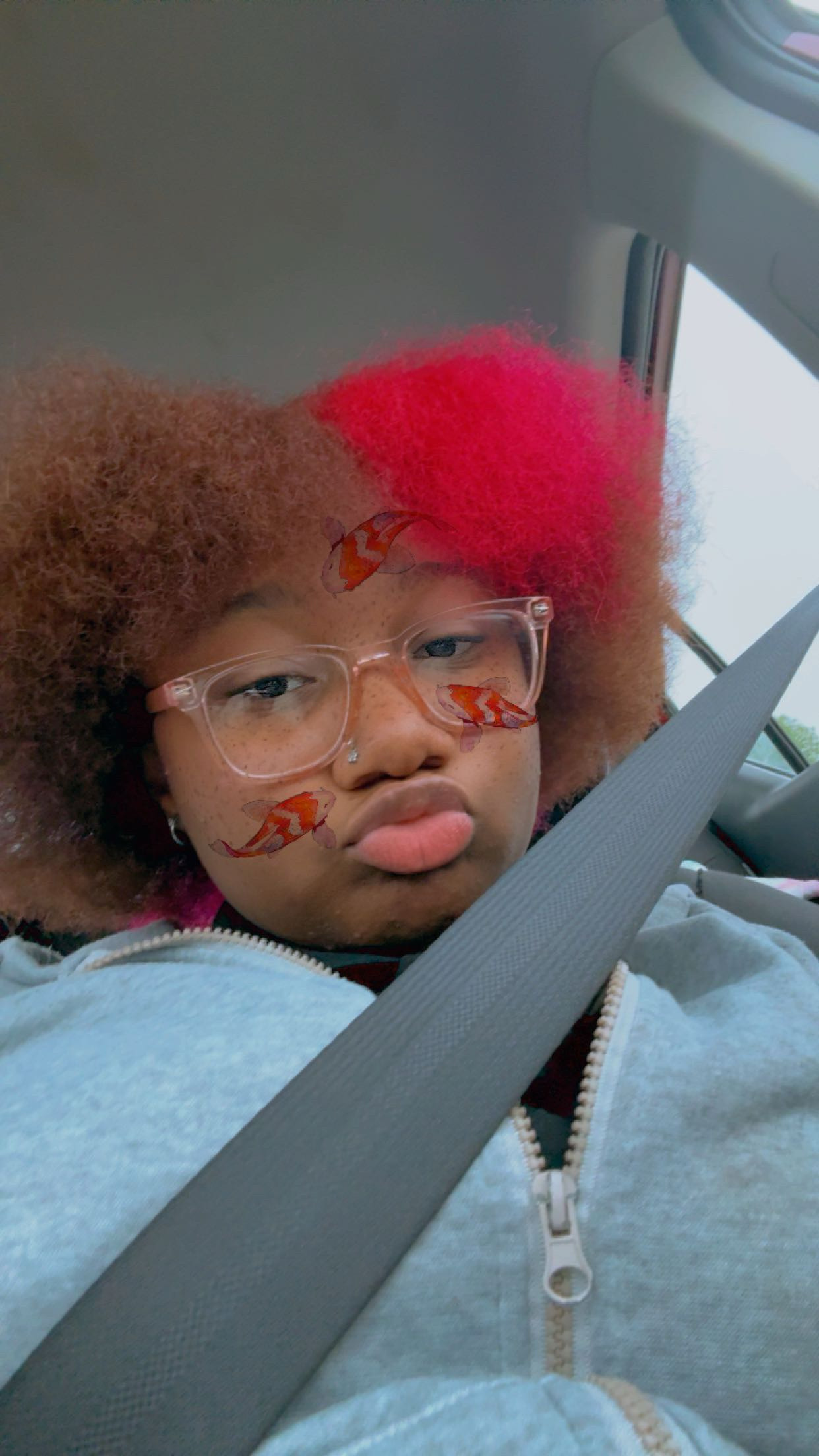
Ssence Adams
Natchitoches, LA
Operating a vehicle is one of the most dangerous activities the average person performs
daily, especially for a 15-year-old girl who is just learning to drive. Becoming a first-time driver
is an exciting milestone because it represents freedom, independence, and growing up. We all look forward to having the ability to be on our own operating a motor vehicle.However,
it also comes with serious responsibilities. Every driver is responsible for protecting themselves,
their passengers, pedestrians, and others on the road. I don’t want to see anyone get hurt.
As a new driver, I understand that driving cannot be treated like a game. A vehicle is
large, heavy, and capable of causing serious damage within seconds. One mistake, such as
speeding, checking a phone, or ignoring a traffic sign, could completely change someone’s life. Distractions are the worst thing you could do.
This is why young drivers must be educated, cautious, and alert whenever they are behind the
wheel.
One of the main reasons safe driving matters is that accidents can happen quickly. Even
when a person follows the rules, another driver may make a poor decision. A car could suddenly
stop, change lanes without signaling, or pull into traffic unexpectedly. Pedestrians or animals
may also enter the road without warning. Drivers must remain focused and be prepared to react
calmly.
Understanding traffic laws and road signs can help prevent accidents. Road signs are
designed to provide drivers with important information. Stop signs, speed-limit signs, school-
zone signs, and warning signs help drivers recognize possible dangers and make safer decisions.
Ignoring these signs can place many people at risk.
Car accidents can have serious consequences. A collision may injure the driver,
passengers, or someone in another vehicle. Some injuries may heal, while others can affect a
person for the rest of their life. In the worst cases, someone may lose their life. Accidents can
also lead to expensive vehicle repairs, medical bills, traffic tickets, higher insurance costs, and
legal problems. These consequences show how one careless decision can have lasting effects.
I believe driver’s education programs can help young drivers prepare for the challenges
they may face on the road. Driver’s education teaches more than how to park, turn, or use a
signal. It also teaches students how to recognize hazards, follow traffic laws, stay focused, and
make responsible decisions.
1New drivers must also learn how to handle unexpected conditions. Heavy traffic can be
stressful because vehicles are close together and drivers may become impatient. Bad weather can
make driving even more difficult. Rain, snow, fog, and ice may reduce visibility and make it
harder to control a vehicle. Learning how to react in these situations can help a new driver
remain calm instead of panicking.
One of my biggest concerns as a new driver is becoming distracted. Phones, music,
passengers, and even thoughts about school can take a driver’s attention away from the road.
Looking away for only a few seconds may be enough time for an accident to occur. Because of
this, I plan to keep my phone out of reach and limit distractions while I am driving.
I also understand that passing a driving test does not automatically make someone an
experienced driver. Experience develops through practice, patience, and guidance. Driving with
an experienced adult can help me recognize mistakes and improve before I begin driving alone. I
want to listen to advice, ask questions, and become more confident without becoming careless.
Another habit I want to develop is planning ahead. I often run late and feel rushed.
Leaving early can prevent me from feeling rushed or tempted to speed. I also plan to wear my
seat belt every time I enter a vehicle, even when traveling a short distance. Checking my mirrors,
using my signals, watching my speed, and leaving enough space between vehicles are simple
habits that can prevent serious accidents. Planning ahead can also help me avoid distractions and
stay focused.
Driver’s education is one of the strongest defenses against automobile tragedies.
Education cannot prevent every accident, but it gives drivers the knowledge and skills needed to
make safer choices. It also reminds young drivers that driving is a privilege that can be taken
away if it is not handled responsibly. Understanding consequences such as higher insurance costs
and expensive medical bills is critically important as well.
Driving is more than getting from point A to point B. It requires patience, good judgment,
and respect for everyone on the road. The habits I build now will affect the type of driver I
become in the future. By continuing to learn, avoiding distractions, following traffic laws, and
listening to experienced drivers, I can become a safe and responsible driver.
Content Disclaimer:
Essays are contributed by users and represent their individual perspectives, not those of this website.