In the drivers seat
2026 Driver Education Round 1
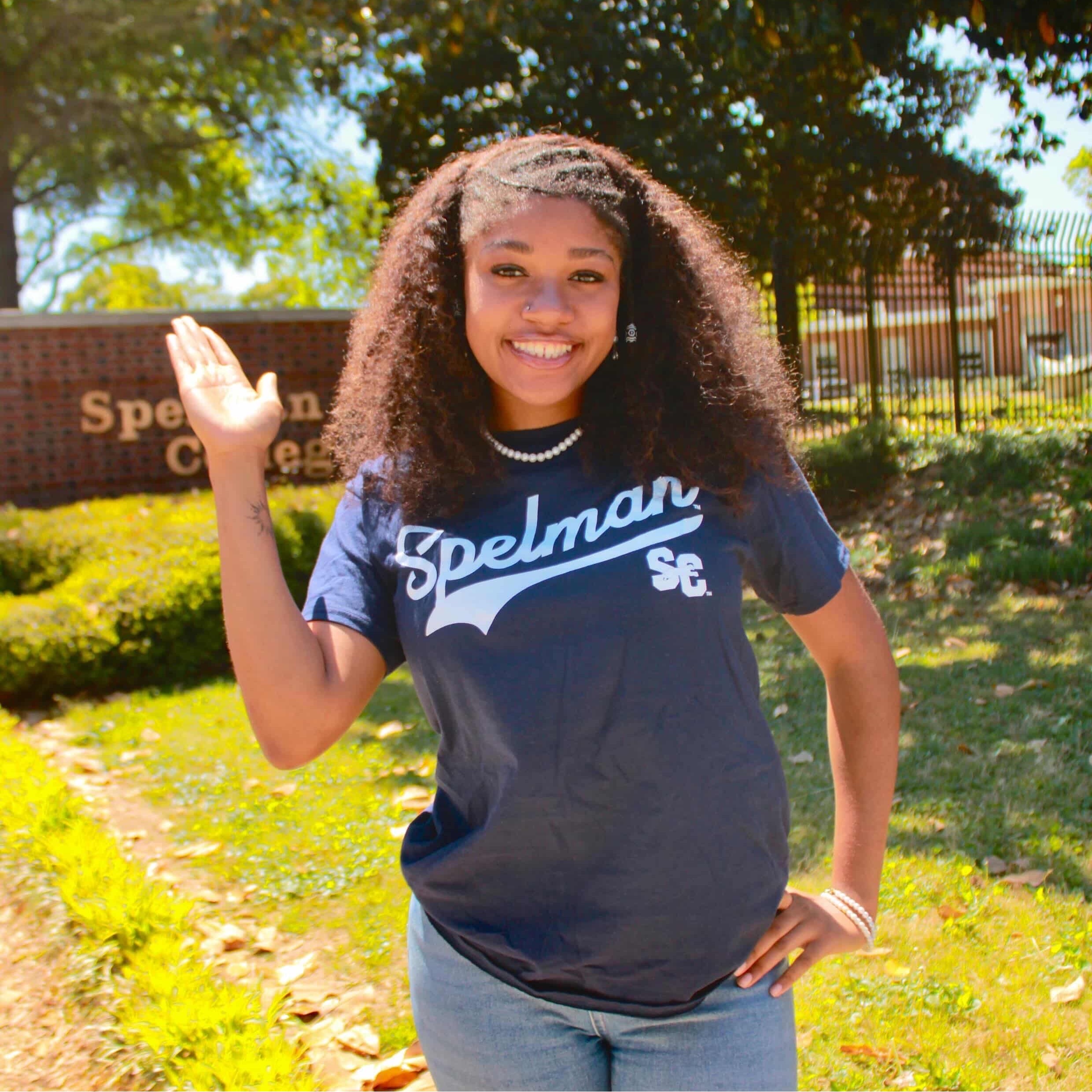
Zariyah King
Vallejo, California
I don't remember what song was playing that day, or even where my mom and I were headed. What I do remember is the sound of metal colliding, the violent jolt that threw us forward, and the silence that followed. I was a freshman in high school when my mom and I were involved in a car accident that changed the way I would think about driving forever. Until that day, I believed serious crashes were the kind of tragedies that happened to other people. Sitting beside my mom after the crash, I realized how quickly an ordinary drive could become a life-changing moment.
The accident lasted only a few moments, but its impact stayed with us long after the damaged car was gone. My mom has dedicated more than thirty years of her life to teaching children. She has always been someone who puts others first, but after the accident, something as routine as driving became a source of anxiety. I watched her become more cautious every time she got behind the wheel. I also realized that a car accident never affects only the people inside the vehicle. It affects families waiting at home, students waiting for their teacher to walk through the classroom door, coworkers, friends, and entire communities. One moment on the road can create a ripple effect that reaches far beyond the crash itself.
That experience completely changed my understanding of driver education. Before the accident, I thought learning to drive meant passing a written test, memorizing road signs, and demonstrating a few basic skills behind the wheel. Now I understand that driver education is really about teaching responsibility. It should prepare new drivers to recognize distractions, anticipate the mistakes of others, and understand that every decision they make has consequences. Driving is one of the few responsibilities we take on where one careless decision can permanently change someone else's life.
Ironically, even after experiencing a serious accident, I still developed distracted driving habits of my own. As a busy college student balancing classes, leadership responsibilities, work, scholarship applications, and family obligations, I constantly felt like there were not enough hours in the day. I started treating my time in the car as an opportunity to multitask. I would glance at text messages, check social media notifications, or think about replying to emails while driving. I told myself I was only looking for a second or that I could do it safely because I was stopped at a light. I wasn't trying to be reckless. I was trying to stay on top of everything.
Then I realized something that made me uncomfortable. I was becoming the kind of driver I had promised myself I would never be.
The accident my mom and I experienced had shown me how fragile life is, yet I was still convincing myself that one quick glance at my phone was harmless. The truth is that distracted driving rarely begins with one terrible decision. It begins with small choices that seem insignificant until they aren't. Looking away for a few seconds, changing a song, answering a notification, or believing you can multitask behind the wheel are exactly the kinds of decisions that lead to preventable tragedies. I realized I was relying on luck instead of good habits, and luck is never a safety plan.
That realization changed the way I drive. Before I start my car, I turn on Do Not Disturb, enter my destination into my GPS, choose my music, and place my phone somewhere I cannot easily reach it. If I receive a text or phone call, I wait until I have safely parked before responding. I leave earlier whenever possible, so I never feel pressured to rush or multitask. These habits may seem simple, but they help remove temptation before it becomes dangerous.
The accident also changed the way I respond to the people around me. If I notice a friend reaching for their phone while driving, I speak up. If someone is driving recklessly or speeding because they are running late, I encourage them to slow down. Those conversations can be uncomfortable, but staying silent is far more dangerous. Creating safer roads requires more than following the law ourselves. It means helping others recognize the responsibility they carry every time they get behind the wheel.
Reducing the number of deaths caused by driving begins with stronger driver education, but it cannot end there. Driver education should emphasize defensive driving, distracted driving prevention, emotional decision-making, and the real-life consequences of careless choices. Passing a driving test should never be the finish line. It should simply be the beginning of a lifelong commitment to safe driving.
The greatest lesson the accident taught me is that driving is never just about getting myself home safely. Every time I get behind the wheel, I am also accepting responsibility for helping everyone else get home safely. Every parent driving home after work, every child riding in the backseat of a car, every teacher heading to school, every cyclist crossing an intersection, and every family traveling beside me is trusting that I will make responsible decisions. Most people don't think about it this way, but a vehicle is one of the most powerful pieces of equipment many of us will ever operate. In the wrong hands, or even in the hands of someone who is simply distracted for a few seconds, it can become incredibly dangerous. That is why driving should never feel routine or automatic. It deserves our full attention every single time.
Whenever I think back to the accident my mom and I experienced during my freshman year of high school, I no longer think only about what happened to us. I think about how different our lives could have been if things had gone even slightly differently. That perspective has changed every decision I make behind the wheel. Driving is not just about arriving at my destination. It is about making sure everyone else has the opportunity to arrive at theirs. Every time I turn the key, I remind myself that I am not only driving for my own future. I am driving for everyone else's too, and that is a responsibility I will never take lightly.
Content Disclaimer:
Essays are contributed by users and represent their individual perspectives, not those of this website.