In The Driver's Seat
2026 Driver Education Round 1

Azarel Z Abraham
Brooklyn, New York
In The Driver’s Seat
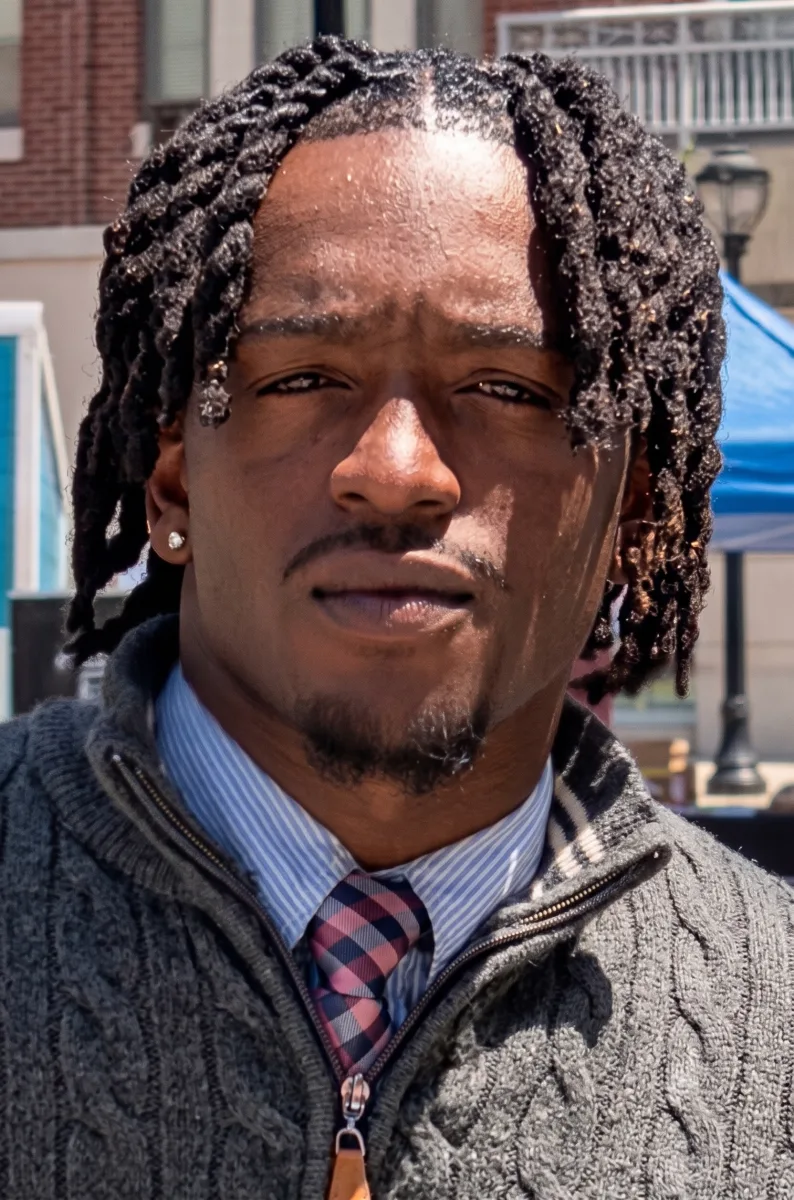
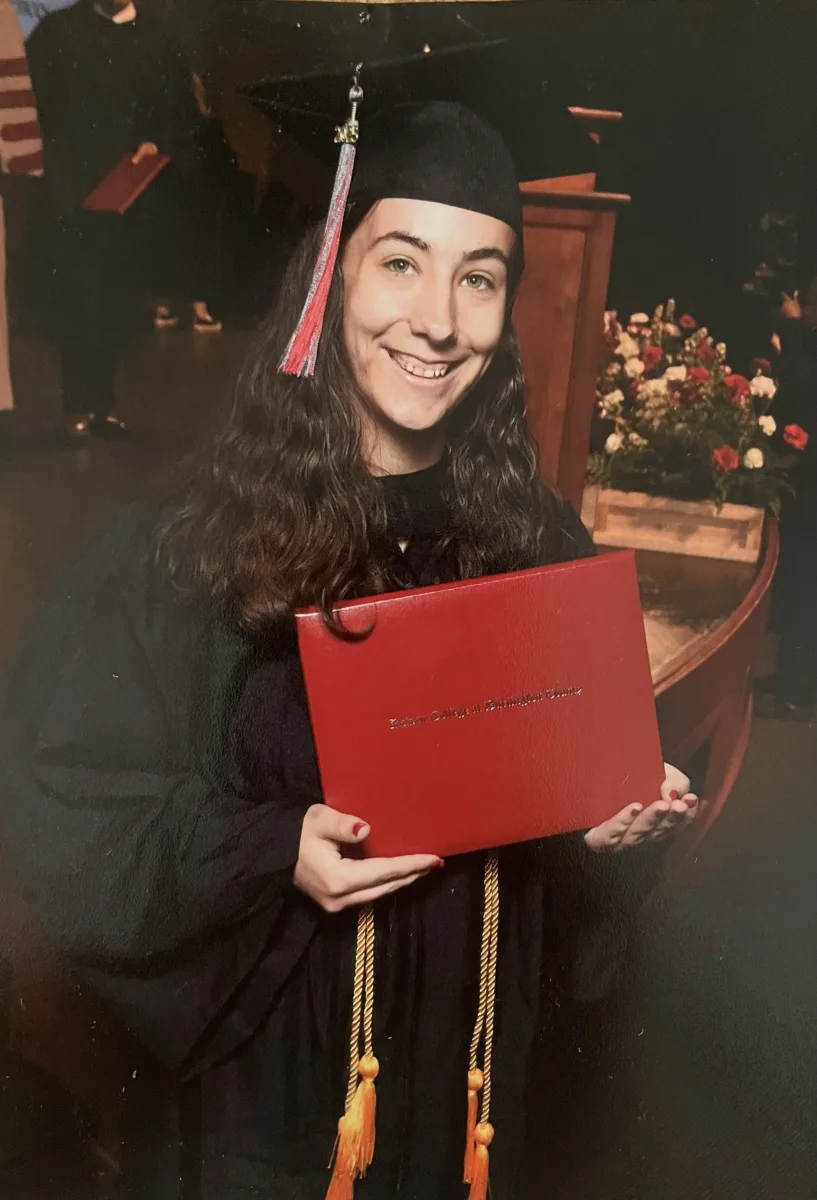
“If you don’t practice driving safely, who will pay the price?’ “Do you drive like someone’s life depends on it-because it does?” Driver’s Education Slogan. I am not defined by where I came from but by the choices I make. My name is Azarel Abraham, a newly relocated student from Grenada, beginning my Journalism studies in New York. The move brought with it not just new surroundings, but cultural contrasts- the driving system stood out immediately. I invite the reader to view this journey from my lens, as both commuter and observer. This perspective allows me to connect my personal journey with broader lessons of adaptation and safety.
The most critical element of road safety is recognizing that defensive habits protect both the life and lives of those around you. Not just the foundation of skills but muscle memory, cultural retraining, and safety mindsets. It has come to my attention over the past few years once one repeats an action enough times, one's brain and body perform it automatically without conscious thought. In driving, this shows up when you signal, brake, and check mirrors almost instinctively after enough practice. For Grenadian drivers moving to New York, the transition from left-side to right-side driving is a vivid reminder of how cultural habits, norms and attitudes must be reshaped- a challenge mirrored by Americans abroad likewise. Those raised in cultures where speeding or seatbelt use is overlooked must adjust and retain their mindset to prioritize not only their own safety but also that of other drivers and pedestrians like me. Driver education plays a vital role in this process, teaching not just mechanics and technical knowledge of driving, but also instilling values of responsibility, patience, and caution. Learning the rules is only the beginning; true safety comes from alertness, practice, cultural adaptation, and the recognition that every choice behind the wheel matters.
What occurs when the habits we’ve formed are unsafe, and we’re unaware of it? I soon realized that the most challenging aspect of adjusting to driving in New York was not the traffic itself, but the need to retrain my instincts. Clinging to old behaviors and gut reactions instead of embracing modern techniques can be dangerous, not just me as a pedestrian but for drivers on the road. Nevertheless, I realized it was crucial to maintain my natural instincts for survival and intuition as a pedestrian in New York. For instance, the stencils on the crosswalk and the electrical signs are essential safety reminders, guiding tourists, children and distracted phone users on when and where to look for traffic. Benefiting both the driver and the pedestrian. However, I often see New Yorkers cross the street even when the signal indicates ‘wait’, simply because no cars are in sight- a habit that poses risks. As a new student in the city, I understand the significance of resisting such tendencies and following established protocols, waiting for the appropriate signal before crossing. According to the National Highway Traffic Safety Administration, 7,522 pedestrians were killed in U.S. traffic crashes in 2022, with driver distraction and failure to yield leading pedestrians deaths. In New York, drivers who hit pedestrians because of negligence may confront significant legal consequences, such as charges of criminally negligent homicide, which can lead to prison sentences of up to four years my dear reader, or even vehicular manslaughter in more serious situations. These harsh truths emphasize the importance of avoiding dangerous practices and following safety guidelines, especially for me as a new student. Every choice made while driving or at a crosswalk can truly impact life and death. “One moment of patience may ward off great disaster, one moment of impatience may ruin a whole life” - Chinese Proverb. This life may well be yours (the driver) or mine (the pedestrian). Therefore, to conclude this paragraph, the two precautions that can help reduce deaths on the road are firstly to always practice defensive driving-anticipating the mistakes of others and staying alert. These habits reduce the likelihood of collisions caused by distraction or failure to yield. Secondly, respect pedestrian signals and crosswalk markings without exception. Even if the street appears clear, waiting for the proper signal ensures safety and prevents the normalization of risky shortcuts. It's never too late to make a change and a difference. Together, these measures reinforce the values and morals of responsibility and caution I believe driver’s education refers to and is needed for safe driving. Drive don’t fly. Please don’t drink but think and drive.
Dear reader, with all, becoming a responsible driver is more than just passing tests; it's about cultivating habits that ensure your safety and that of others while on the road. Here are some steps to help you become a better driver and citizen. Although I do not drive, I'm here to provide observations as mentioned earlier.
Step 1. Always be aware of what drivers and pedestrians may do and prepare for the unexpected.
Step 2. Keep distractions like your phone away while driving. Maintain music at a low volume, and focus fully on the road, as situations can change in an instant. Is a text really worth risking a life, your life? How quickly do you want to regret it?
Step 3. NYC has lowered default speed limits to 25 mph to reduce fatalities, so it’s crucial to adhere to those limits for everyone’s safety, as speeding is a major factor in accidents. As Aiden Wilson Tozer asserted, “The driver on the highway is safe not when he reads the signs, but when he obeys them.”
Step 4. Always wear your seatbelt, regardless of how short the drive may be.
Step 5. Making courtesy a priority at crosswalks and intersections helps foster trust and safety. Share the road and be considerate of cyclists, buses, and emergency vehicles.
Step 6. Advocate for better lighting, traffic calming measures, and clearer signage in your community; Use your voice!
Step 7. Even after obtaining your license, taking refresher courses can enhance your driving skills.
Step 8. Familiarize yourself with the varying rules in different cities, as this knowledge makes you a more conscientious driver.
Set a positive example for your friends, siblings, and peers. Safe driving can inspire others to follow suit.
In the end, drivers' education goes beyond just learning the technical aspects; it’s about changing ingrained cultural behaviors to avoid accidents. By adhering to safe practices, even when others do not, you demonstrate the accountability that can save lives. As the old saying goes, “Prevention is better than cure.” Be proactive in anticipating errors, adjusting to new systems, and taking responsibility for everyone on the road. I anticipate utilizing my journalism degree from Brooklyn College to research, report on, and write articles that focus on commuter safety, infrastructure issues, and the experiences of transit passengers.
Content Disclaimer:
Essays are contributed by users and represent their individual perspectives, not those of this website.