In the Driver's Seat: What My Accident Taught Me About Being a Prepared Driver
2026 Driver Education Round 1
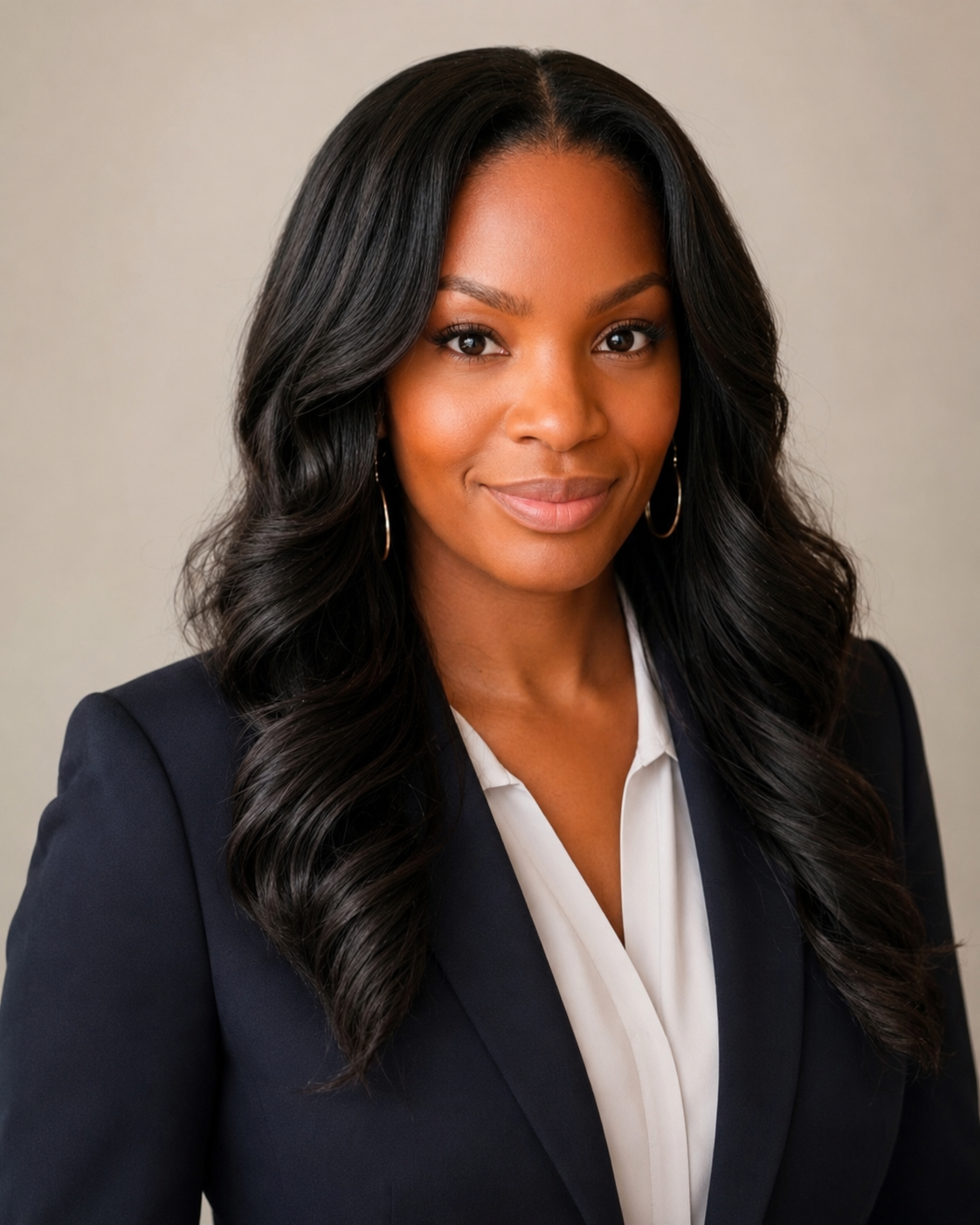
Lapree Jackson
Redford, MI
Before the ambulance arrived, I woke up.
It was February 13, 2025. Another driver struck my vehicle and disappeared. My car was totaled. I came back to consciousness inside it — to a voice through the speakers asking if I was okay. It was OnStar, a system I had chosen, maintained, and never once expected to need. EMS was already on the way. The first decision I made, still inside that wrecked car, was to ask them to call my sister. She was at the hospital before I left it.
I had been a safe driver. I did not cause that accident. And it nearly cost me everything anyway.
I learned to drive. I was never taught to survive.
The stillness inside a car that was no longer going anywhere. The sound of my own breathing in a space that had just been violently rearranged. The strange suspended second before my mind caught up to what my body already knew. I was hit. He was gone.
The accident followed me home.
My commute to work is ninety minutes each way, and in the weeks that followed, I could not consistently make it. I would sit in my own driveway — engine running, hands on the wheel — and not move. My heart would accelerate before I touched the gas. I would replay that stillness, that rearranged second, and have to make a conscious decision about whether I was going to pull out of the driveway or go back inside. Some days I went back inside. Some days I made it to the end of the street and turned around.
I was the only income in my household. I had just started a new position. I needed every paycheck, and I could not consistently drive to earn it. I sat with someone who had seen this kind of fear before and knew it had a name. The accident, she told me, had done what serious accidents often do — it had relocated. It was no longer on the road. It was inside me, and it was going to take longer to leave than it had taken to arrive.
Getting back behind the wheel was not a decision I made once. It was a decision I made every single morning, for weeks, until the morning I drove all the way to work and all the way home again without pulling over. That morning is the one I count from. Not the accident. That morning.
Safe driving governs your own choices behind the wheel: don't text, don't drink, don't speed. I believed in every one of those principles before February 13th, and they did not protect me. Prepared driving is the decision you make before the choice is taken from you — knowing what to do after the collision, building the systems and relationships that function when you cannot, and understanding that every road is shared with people who will not make the same choices you do.
I now drive with a different kind of attention. I am no longer managing only my own vehicle — I am reading everything around it. I watch for the driver drifting across lanes, the car that accelerates erratically, the vehicle that closes distance and doesn't back off — because I understand those patterns now as warnings rather than background noise. And when someone I love is anxious, exhausted, or in no condition to drive safely, I take them. My sister did that for me. I understand now that sometimes the most important safety decision isn't yours alone to make.
Driver education teaches people to operate a vehicle. It does almost nothing to teach them what to do when that vehicle becomes an emergency. According to the National Highway Traffic Safety Administration, approximately 34,000 Americans die in motor vehicle accidents each year — more than have died in every U.S. war since Vietnam combined. I did not know what OnStar would do until it did it. I did not know what uninsured motorist coverage meant until it was the only thing standing between me and nothing. I did not know what to do in the seconds after impact — whether to move, whether to stay, how to document what was already disappearing from the scene around me. I did not know that the driver who hit me could simply leave, that they would leave, or what it would mean legally and financially when they did. I was a licensed driver. I had passed every test. And I did not know any of the things that actually mattered on February 13th. These are not advanced topics. They are foundational ones, and they are consistently absent from the curriculum that sends sixteen-year-olds onto the highway for the first time.
The gap I am most qualified to speak to — and the most dangerously overlooked — is what happens inside a person after a serious accident. Fear behind the wheel is not a weakness. It is a documented, predictable response to trauma, and left unaddressed, it becomes its own driving hazard. A person who flinches at highway speeds, who grips the wheel until their hands shake, who cannot merge without replaying a sound they cannot unhear, is not a safe driver — not because they lack skill, but because their nervous system is still processing an event their body has not yet filed away as survivable.
I found no space for it in anything I had ever been taught about being a driver.
New drivers should be told — clearly and without stigma — that accidents leave marks beyond the body. That the fear that follows is normal, that it is treatable, and that asking for help is not the end of their relationship with the road. It is, in fact, part of what it means to be a responsible one.
On the morning of February 13, 2025, a stranger made choices I could not control. I woke up to a system that had already made one for me — and made mine: I asked for my sister. She answered.
What stands between a crash and a life you can drive back to is rarely a single decision made behind the wheel. It is the preparation built before and around that moment — the emergency systems, the coverage, the people who know to answer when the call comes, and the willingness to ask for help when the road stops feeling safe.
The question driver education has not yet fully answered is this: when everything you were taught to do right still wasn't enough — what were you prepared for?
I asked for my sister from inside a wrecked car because I had built a life where someone would answer. That is the only driving lesson that has ever made me feel safe. And it is the one I will spend the rest of my driving life making sure the people I love are ready to answer.
Content Disclaimer:
Essays are contributed by users and represent their individual perspectives, not those of this website.