Learning the Rules Before You Need Them
2026 Driver Education Round 2
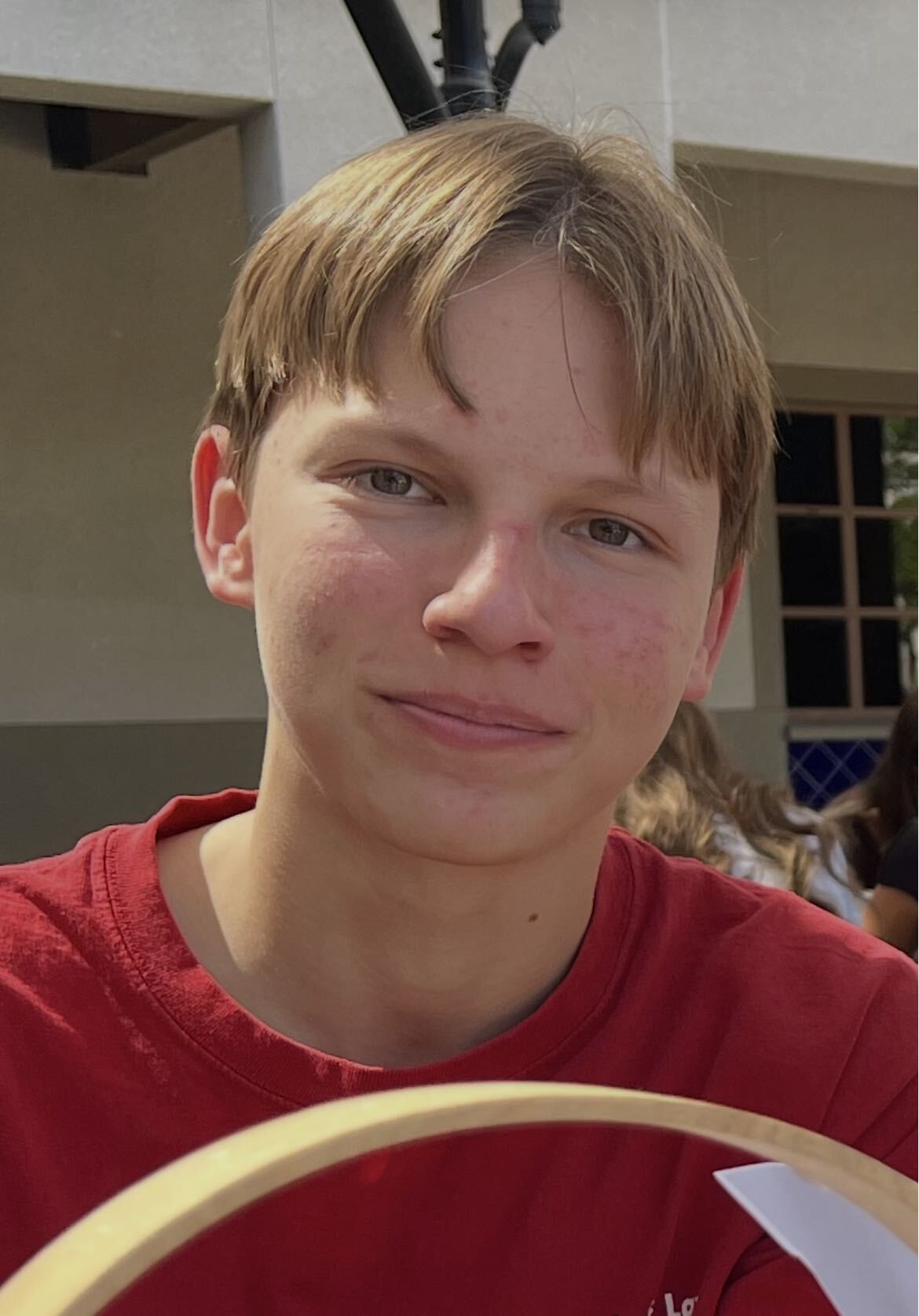
Anton Kotorov
Yorba Linda, California
When my first company shut down, I lost a lot. Three years of work, a team of eight, and a business making $65,000 a month. But I got to start over. My friend and I built another company and did a lot of things differently the second time. Driving doesn't work like that. If you make the biggest mistake on the road, nobody gets a second try. That's why I think driver education matters more than almost any class a teenager takes.
The contest page says about 34,000 people die every year in the US from driving. That number is hard to picture. I think a lot of those crashes start with one small decision somebody makes without thinking. A text. A few extra miles per hour. Skipping the seatbelt for a short trip.
Here's what my two companies taught me about learning. The first company shut down when I was sixteen. We were growing so fast that we stopped asking questions. With Ready, the company we started next, we learned the rules of our industry before we needed to. That's what driver education is. It's a way to learn the rules before you need them. With driving, finding out the hard way is the one thing you can't afford.
A good driver ed class should do a few things you can't get from practicing alone. It should teach you how long it takes a car to stop at highway speed. It should teach you what to do when the car starts to slide. It should teach you the reason behind each rule, not just a list to memorize. And maybe most important, it should make the risky stuff feel as serious as it is. I think many new drivers believe crashes happen to other people. Education is where that belief should get challenged before the road does it for you.
So what steps would actually bring the number down? The first one is the phone. A text can wait. Nobody should be reading one at 65 miles an hour. Phones already have driving modes that silence notifications, and I think new drivers should turn them on by default.
The second step is making the rules for new drivers real, and making sure everyone follows them. California limits when a new driver can be on the road and who can ride with them during the first year. According to the California DMV, a provisional driver cannot drive between 11 p.m. and 5 a.m. during the first 12 months, and cannot drive with passengers under 20 unless a parent, guardian or other licensed driver at least 25 years old rides along. I'd rather follow a rule that feels annoying than find out the hard way why it's there. Rules like these only work if teenagers and their families actually follow them every time, not just when someone is watching.
The third step is speaking up. When I was in elementary school, I got bullied in game voice chat and didn't tell anyone for a while. Eventually I told my parents, and they helped me deal with it. What I learned is that the worst part of being bullied online isn't the words. It's thinking you have to handle it alone. I think riding with an unsafe driver is similar. Most passengers say nothing because it feels awkward. But "can you slow down?" or "can you put your phone away?" can stop a crash, and the person saying it shouldn't feel like they're being annoying. Driver ed should teach passengers exactly what to say, and it should tell them that speaking up is not a sign of weakness, just as asking for help is not.
The fourth step is more practice before you drive alone, and harder practice. Rain, night driving, the freeway, a parking lot in a hurry. Do it with an adult in the car, while mistakes are still cheap. A new driver who has only practiced on empty streets on sunny afternoons has not practiced for the situations that cause the most trouble.
Here's what I'm committing to, whether I'm the driver or a passenger. If something feels unsafe, I'll say so, and I won't sit there thinking I have to handle it alone. And I'll treat every drive like it matters, because it does.
I want to be the kind of person who learns the rules before I need them. That is what we tried to do with Ready, and it's what I think driver education is for. Driving is one of the first big responsibilities we get as teenagers, and 34,000 deaths a year says we aren't taking it seriously enough. Education, real rules and speaking up won't fix everything. But they're the parts I can control, and I plan to use all three.
The contest page says about 34,000 people die every year in the US from driving. That number is hard to picture. I think a lot of those crashes start with one small decision somebody makes without thinking. A text. A few extra miles per hour. Skipping the seatbelt for a short trip.
Here's what my two companies taught me about learning. The first company shut down when I was sixteen. We were growing so fast that we stopped asking questions. With Ready, the company we started next, we learned the rules of our industry before we needed to. That's what driver education is. It's a way to learn the rules before you need them. With driving, finding out the hard way is the one thing you can't afford.
A good driver ed class should do a few things you can't get from practicing alone. It should teach you how long it takes a car to stop at highway speed. It should teach you what to do when the car starts to slide. It should teach you the reason behind each rule, not just a list to memorize. And maybe most important, it should make the risky stuff feel as serious as it is. I think many new drivers believe crashes happen to other people. Education is where that belief should get challenged before the road does it for you.
So what steps would actually bring the number down? The first one is the phone. A text can wait. Nobody should be reading one at 65 miles an hour. Phones already have driving modes that silence notifications, and I think new drivers should turn them on by default.
The second step is making the rules for new drivers real, and making sure everyone follows them. California limits when a new driver can be on the road and who can ride with them during the first year. According to the California DMV, a provisional driver cannot drive between 11 p.m. and 5 a.m. during the first 12 months, and cannot drive with passengers under 20 unless a parent, guardian or other licensed driver at least 25 years old rides along. I'd rather follow a rule that feels annoying than find out the hard way why it's there. Rules like these only work if teenagers and their families actually follow them every time, not just when someone is watching.
The third step is speaking up. When I was in elementary school, I got bullied in game voice chat and didn't tell anyone for a while. Eventually I told my parents, and they helped me deal with it. What I learned is that the worst part of being bullied online isn't the words. It's thinking you have to handle it alone. I think riding with an unsafe driver is similar. Most passengers say nothing because it feels awkward. But "can you slow down?" or "can you put your phone away?" can stop a crash, and the person saying it shouldn't feel like they're being annoying. Driver ed should teach passengers exactly what to say, and it should tell them that speaking up is not a sign of weakness, just as asking for help is not.
The fourth step is more practice before you drive alone, and harder practice. Rain, night driving, the freeway, a parking lot in a hurry. Do it with an adult in the car, while mistakes are still cheap. A new driver who has only practiced on empty streets on sunny afternoons has not practiced for the situations that cause the most trouble.
Here's what I'm committing to, whether I'm the driver or a passenger. If something feels unsafe, I'll say so, and I won't sit there thinking I have to handle it alone. And I'll treat every drive like it matters, because it does.
I want to be the kind of person who learns the rules before I need them. That is what we tried to do with Ready, and it's what I think driver education is for. Driving is one of the first big responsibilities we get as teenagers, and 34,000 deaths a year says we aren't taking it seriously enough. Education, real rules and speaking up won't fix everything. But they're the parts I can control, and I plan to use all three.
Content Disclaimer:
Essays are contributed by users and represent their individual perspectives, not those of this website.