Leave Room for Other People’s Mistakes
2026 Driver Education Round 2
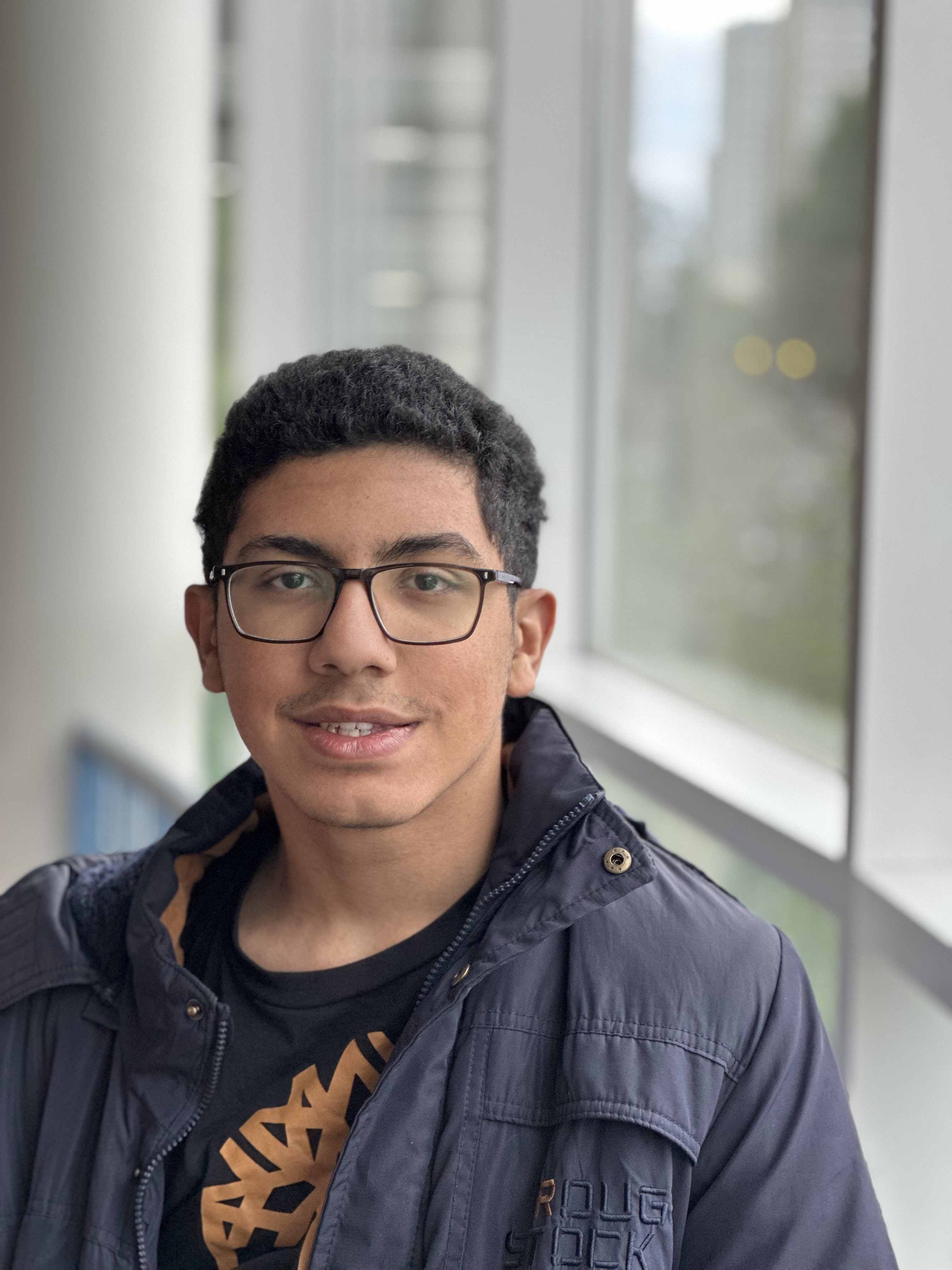
Martin Garas
Pineville, North Carolina
Imagine you’re first in line at a red light. It turns green, and the person behind you honks before you’ve even moved. You know it’s your turn, so you start to go. Then a car coming from the left crosses the intersection. Maybe the driver was trying to beat the light. Maybe they just didn’t see it. Either way, the fact that you had the green light wouldn’t do much to protect you. This is a situation I imagine when I think about safe driving. It’s easy to spend so much time thinking about the mistakes I might make that I forget to leave room for the mistakes someone else might make.
That’s one reason driver education matters. Learning the rules gives everyone a common set of expectations. A red light should mean the same thing to me as it does to the person across the intersection. But a good driving lesson also helps me notice when what I expect and what I see aren’t lining up. If a car approaching from the side hasn’t started slowing down, that’s information I can use, even if my light is green. Practicing that kind of thinking with an instructor gives a new driver a chance to build habits before having to make those decisions alone. Seeing a problem early can give you enough time to slow down and avoid a crash that could injure or kill someone.
I also think driver education should make students practice explaining what they notice. A student might be able to answer every question about signs on a quiz and still be surprised when the brake lights of three cars ahead come on at once. During a lesson, an instructor could ask what the student sees beyond the bumper in front of them. The student might notice that traffic is backing up, ease off the accelerator, and understand why looking farther ahead matters. Getting feedback in a situation like that would stick with me more than memorizing a sentence in a handbook.
There are everyday steps that can reduce the risk of deadly crashes. Wearing a seat belt takes a moment and can protect a person even when a crash is beyond their control. Putting a phone away before leaving is easier than deciding whether to look at it each time it buzzes. Driving at a speed that fits the conditions and giving the car ahead enough room make it easier to respond if traffic slows suddenly. The road itself matters too. Clear markings and signs that drivers can see in time make it easier for everyone to understand what’s expected, especially at a confusing intersection or near a school.
The part I find hardest is that being careful can feel awkward. In the scene at the traffic light, someone is already honking. If I slow down because I see a car still approaching, the person behind me may get irritated. I’d rather make that person wait a moment than let their impatience make the decision for me. That also applies when I’m the impatient person. If the driver ahead of me hesitates, they might be looking at something I can’t see. Giving them time might help them make a better decision.
One way I can become a safer driver is to make a few decisions before the car starts moving. I can set up directions, put my phone away, and make sure everyone in the car has buckled up. I can leave earlier so that being late doesn’t make every delay feel like a problem I need to solve on the road. When I’m practicing, I can ask an experienced driver to point out what they noticed before I did. After the drive, I can ask about one moment I handled well and one I could handle better. That gives me something specific to work on next time.
I can also make it easier for other people to drive safely when I’m the passenger. I can offer to handle directions or read a message aloud when the driver asks me to. If I feel uncomfortable because someone is looking at their phone or following another car too closely, I can speak up calmly. I’d want a friend to do that for me if I were the one making the mistake. I can also help other people on the road by signaling early and leaving a gap when it’s safe for someone to merge. A little extra space can make a tense situation easier for both drivers.
When I go back to that intersection in my head, what matters most is the moment I have before entering it. I can look across, notice that something seems off, and give myself time to respond. On most drives, that extra attention may never matter. I still want it to be a habit, because the one day it does matter, I’ll be glad I gave myself a chance to see what was coming.
Content Disclaimer:
Essays are contributed by users and represent their individual perspectives, not those of this website.