More Than a License
2026 Driver Education Round 1
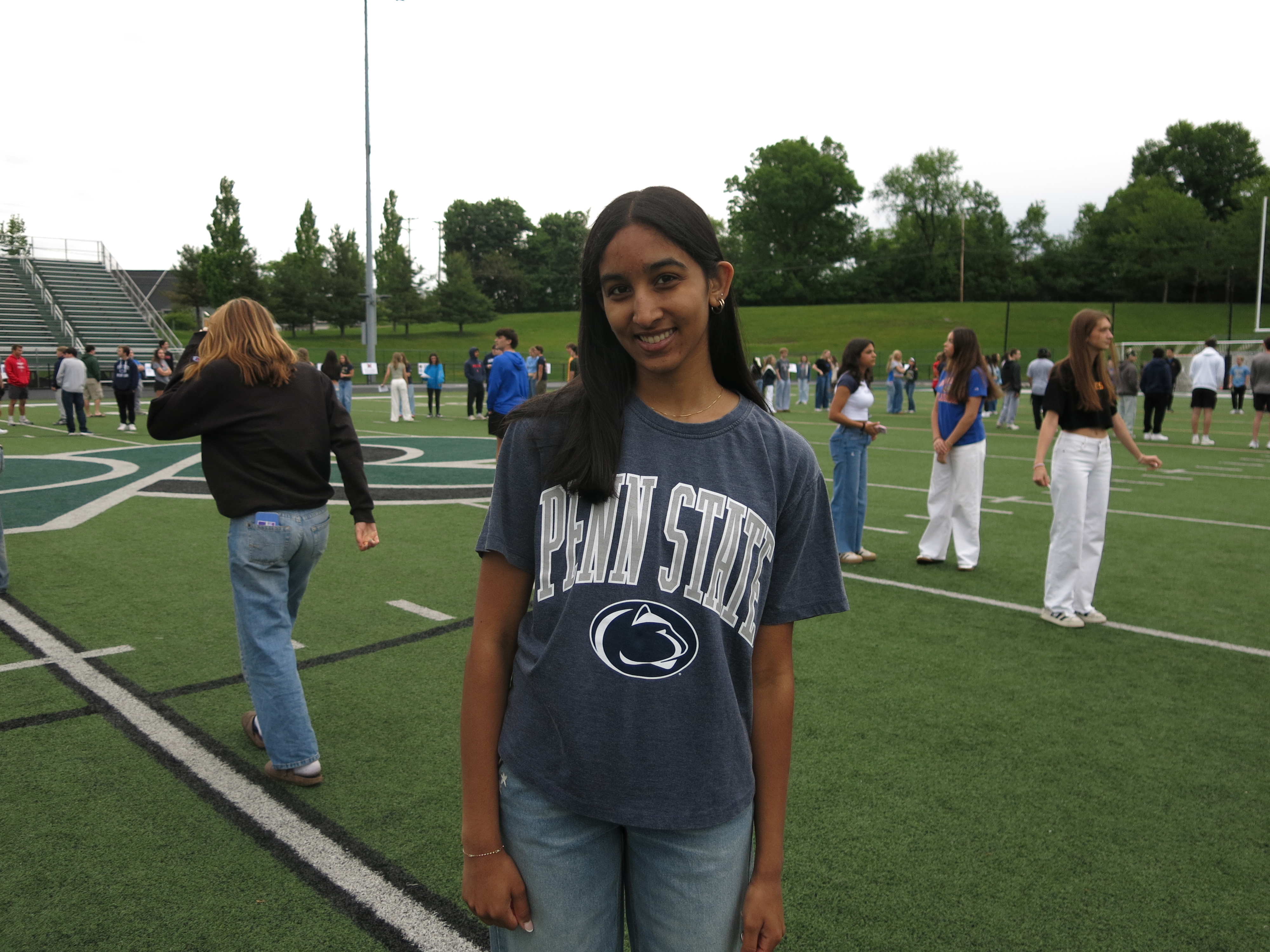
Brinda Kannan
Gibsonia, Pennsylvania
The first time I drove by myself, I sat in the driveway for a minute before putting the car in reverse. It wasn't because I was nervous about driving. I had practiced for months with my mom and dad and felt pretty comfortable behind the wheel. What made me stop was realizing that, for the first time, every decision I made would be completely up to me. There wouldn't be anyone next to me reminding me to check my mirrors, slow down, or watch for pedestrians. At that moment, I realized that getting my license wasn't just about having more freedom. It also meant taking on a lot more responsibility.
Like most teenagers, I couldn't wait to get my driver's license. I was excited to drive myself to school, hang out with friends, and not have to ask my parents for rides all the time. Getting my license felt like a huge milestone. But after I actually started driving on my own, I realized it wasn't as simple as I had imagined. Every time I get behind the wheel, I'm responsible not only for myself, but also for everyone else on the road.
Before I started driving, car accidents felt like something that happened to other people. I'd hear about them on the news or during driver's education, but I never really thought about what they meant. Now, those stories hit differently. It's easy to look at statistics and see numbers, but every number represents a real person and a family whose lives changed forever because of one mistake.
One day while I was driving through an intersection, my light turned green, so I started moving forward. Out of the corner of my eye, I noticed another car coming toward the intersection much faster than it should have been. Instead of continuing, I hesitated for a second. The other driver ran the red light without even slowing down. Nothing happened, but that moment stuck with me. If I had assumed they were going to stop just because the light told them to, things could have ended very differently.
That experience taught me something I don't think I fully understood before. Being a safe driver isn't just about following the rules yourself. You also have to expect that other people might not. Defensive driving means staying alert and thinking ahead instead of assuming everyone else is paying attention. You can't control the choices other drivers make, but you can control how you react to them.
Since then, I've become much more intentional about my own driving habits. I keep my phone out of reach so I'm not tempted to check notifications. Before I leave, I put my music and GPS on so I don't have to mess with them while I'm driving. I also try to leave a little earlier instead of rushing because saving a couple of minutes isn't worth taking unnecessary risks. None of these habits are difficult, but together they help me stay focused.
Cars today have a lot of technology designed to make driving safer. Features like blind spot monitoring and automatic emergency braking can definitely help. But those features can't replace a driver's judgment. A car can't decide not to text while driving or choose to slow down because it's raining. At the end of the day, the person behind the wheel is still responsible for every decision they make.
As I'm getting ready to start college, I know I'll be driving in places I've never been before. I'll be navigating unfamiliar roads, crowded parking lots, and busy streets while balancing classes, work, and everything else that comes with college. It would be easy to tell myself that checking one text or speeding because I'm running late isn't a big deal. But those are exactly the kinds of decisions that can lead to accidents. It only takes a few seconds of distraction for something to go wrong.
I also think passengers have a bigger impact than people realize. Friends shouldn't encourage someone to speed or drive recklessly just because it seems fun in the moment. Instead, they should speak up if they notice unsafe driving. Creating that kind of environment makes everyone safer, especially for newer drivers who are still building confidence.
One thing I've learned is that safe driving usually goes unnoticed. Nobody congratulates you for stopping at every stop sign or waiting an extra second before going through an intersection. But those small decisions are often what prevent accidents from happening. Safe driving isn't about making one heroic choice. It's about making the right choice over and over again, even when no one is paying attention.
When I think about what it really means to be "in the driver's seat," I don't just think about driving a car anymore. I think about being responsible for my choices and understanding that those choices affect other people, not just me. Every time I drive, I have the opportunity to help make the roads a little safer.
Getting my license gave me the freedom I had been looking forward to for years, but it also taught me one of the biggest lessons I've learned so far. Freedom and responsibility go hand in hand.
Content Disclaimer:
Essays are contributed by users and represent their individual perspectives, not those of this website.