More Than Getting a License
2026 Driver Education Round 1
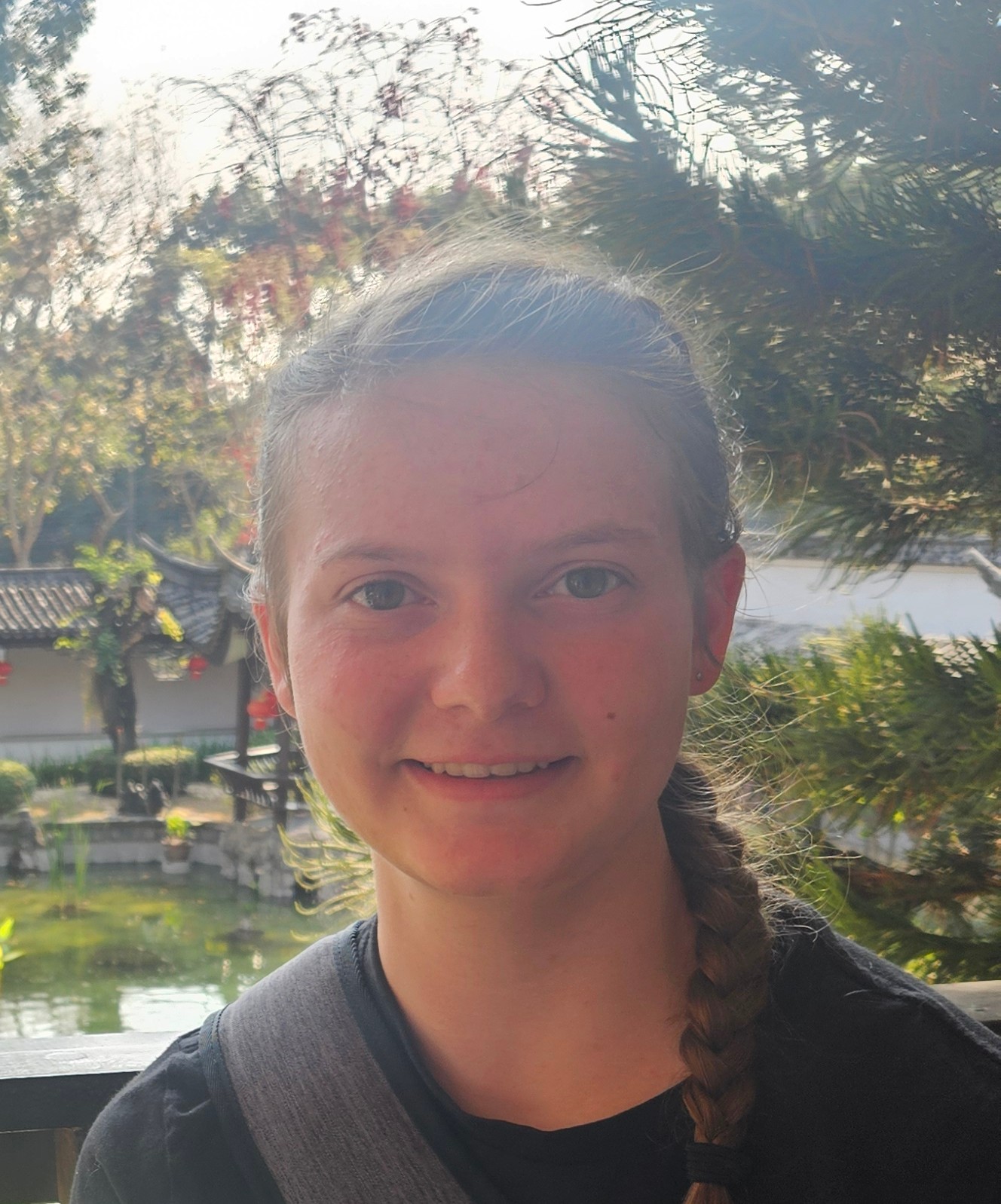
Elliada Craig
Hamilton, Montana
When people think about driver's education, I think a lot of them see it as something you have to do before getting your license. I used to think of it that way too. The more time I have spent driving, riding with other people, and becoming an EMT, the more I have realized that learning to drive safely is something that never really stops.
As an EMT, I have learned that emergencies happen fast. A normal day can change in seconds because someone made one bad decision. It does not always take reckless driving to cause a crash. Sometimes it is looking at a phone for a few seconds, driving too fast for the road conditions, or thinking, "I'm only a few minutes from home." Those small decisions can have life-changing consequences.
That is why I believe driver education is so important. It teaches much more than the rules of the road. It teaches people how to think before they react. It helps new drivers recognize dangerous situations before they become emergencies. Learning how to stay calm, keep a safe following distance, and pay attention to what other drivers are doing can prevent crashes before they happen.
I also think driver education teaches responsibility. When someone gets behind the wheel, they are responsible not only for themselves but also for everyone around them. Every car on the road is carrying someone's family member, friend, or child. Remembering that changes the way I think about driving. It is not just about getting from one place to another. It is about making sure everyone gets home safely.
There are many things that can be done to reduce the number of deaths related to driving. One of the biggest is eliminating distractions. Phones have become part of everyday life, but they should never take priority over paying attention to the road. A text message can wait. A notification can wait. Looking away for even a few seconds is enough to miss a stopped vehicle, a child crossing the street, or changing road conditions.
Another important step is slowing down. People often feel like they need to get somewhere as quickly as possible, but saving two or three minutes is never worth risking someone's life. Speed makes it harder to react, increases stopping distance, and makes crashes much more severe.
Driving under the influence is another problem that continues to take lives every year. Whether it is alcohol or drugs, impaired driving affects judgment and reaction time. Choosing a designated driver, calling someone for a ride, or using a rideshare service may seem inconvenient in the moment, but those choices save lives.
Weather is another factor that people sometimes underestimate. Snow, ice, rain, and fog can change driving conditions quickly. Growing up where winter roads are common has shown me that driving the speed limit is not always driving at a safe speed. Sometimes the safest decision is slowing down well below the posted limit or waiting until conditions improve.
I have also seen irresponsible driving. I have watched people speed, follow other vehicles too closely, and use their phones while driving. Those actions often seem normal because they happen so often, but that does not make them safe. Every driver has probably looked around at a stoplight and noticed someone scrolling through their phone instead of paying attention. It only takes one mistake for something to go wrong.
One experience that has changed the way I think about safety came from becoming an EMT. My training taught me how quickly a normal situation can become an emergency. It also taught me that many serious injuries are preventable. That has made me more aware every time I get behind the wheel. I know that every choice I make as a driver affects not only me but also the people sharing the road.
Because of that, there are several things I try to do every time I drive. I wear my seat belt before I put the vehicle in gear. I keep my phone put away so it is not a distraction. I leave enough space between my vehicle and the one in front of me. If the weather is bad, I slow down instead of trying to keep up with traffic. If I am tired, I recognize that fatigue affects driving just as much as many people realize. Most importantly, I try not to let myself become impatient. It is easy to get frustrated when someone is driving slowly or traffic is backed up, but arriving a few minutes later is always better than not arriving at all.
I also believe drivers can influence the people around them. Friends notice when someone chooses not to text while driving. Younger siblings watch the habits of older brothers and sisters. Parents teach their children every time they get behind the wheel. Safe driving spreads the same way unsafe driving does—through example.
When I eventually have children of my own, I hope they learn safe driving by watching me long before they ever sit in a driver's education classroom. I want them to see that wearing a seat belt is automatic, that phones stay out of reach while driving, and that arriving safely is always more important than arriving quickly.
Driver education is not just about passing a test or earning a license. It is about building habits that protect lives for years to come. Every safe decision a driver makes has the potential to prevent an accident that never happens. Most people will never know the crashes they avoided because they were paying attention, driving patiently, or making good decisions. In my opinion, that is exactly the point. The best drivers are often the ones whose good decisions go unnoticed because everyone gets home safely.
Content Disclaimer:
Essays are contributed by users and represent their individual perspectives, not those of this website.