One Second Can Change Your Life
2026 Driver Education Round 1
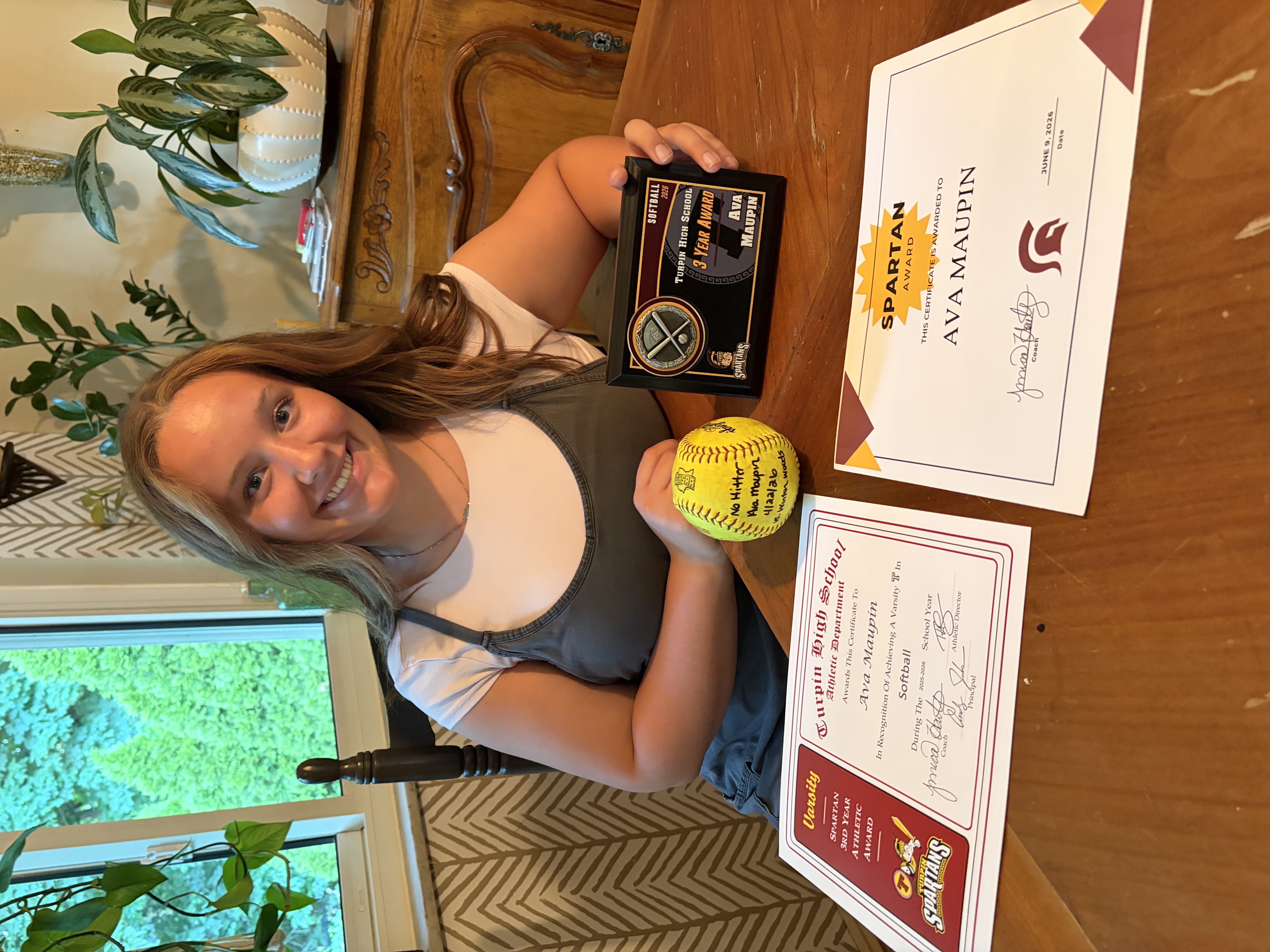
Ava Jane Maupin
Cincinnati, Ohio
Getting behind the wheel for the first time is both exciting and intimidating. Earning a learner's permit or driver's license is a milestone that represents freedom and independence, but it also comes with great responsibility. Every time a person gets into a vehicle, they are making decisions that affect not only their own safety but also the safety of everyone else on the road. While driving may seem routine after a while, it only takes a single moment of distraction or poor judgment for a life to change forever. Because of this, I believe driver's education is one of the most important classes a new driver can take. It builds confidence, teaches the rules of the road, and helps students develop the habits that can prevent accidents before they happen.
Driver's education does much more than prepare students to pass a driving test. It teaches responsibility, awareness, and defensive driving skills. New drivers learn traffic laws, road signs, right-of-way rules, and the importance of staying alert behind the wheel. These lessons create a foundation that every driver needs. However, I believe driver's education should continue to evolve by placing even greater emphasis on real-world situations that new drivers are likely to face.
One topic that deserves more attention is driving in different weather conditions. Rain, snow, ice, fog, and even strong winds can make driving much more dangerous, especially for inexperienced drivers. Many teenagers earn their licenses without ever practicing in severe weather, leaving them unprepared when they encounter those conditions on their own. Learning how to safely drive in rain, react to hydroplaning, brake on icy roads, or adjust speed during poor visibility could prevent countless accidents. Knowing what to do before a dangerous situation occurs allows drivers to stay calm instead of panicking.
Another major issue on today's roads is distracted driving. Cell phones have become part of everyday life, making it tempting to answer a text, change a song, or check a notification while driving. Although these actions may only take a few seconds, those few seconds can have devastating consequences. Taking your eyes off the road, even briefly, means traveling hundreds of feet without fully paying attention. In that time, another vehicle may stop suddenly, a child may enter a crosswalk, or road conditions may change unexpectedly.
Fortunately, distracted driving is one of the easiest dangers to prevent. Before starting the car, drivers can put their phones in Driving Mode or "Do Not Disturb" mode and place them out of reach. If a message or phone call is truly important, it can wait until the vehicle is safely parked. Drivers can also reduce distractions by keeping the music at a reasonable volume and asking passengers to avoid behavior that takes attention away from the road.
My understanding of safe driving has been shaped not only by what I learned in driver's education but also by the experiences of people close to me. One of my friends was involved in a rear-end collision after becoming distracted by a passenger during after-school traffic. I remember driving past the accident shortly after it happened and seeing the damage to his vehicle. It was unsettling because it reminded me that accidents are not just stories you hear about—they happen to people you know.
Thankfully, no one was seriously injured in the crash, but the consequences were still significant. My friend had to appear in court, pay fines, and complete another driver's education course. More importantly, he had to live with the knowledge that one brief distraction caused an accident that could have ended much differently. Watching him deal with those consequences taught me that safe driving is not only about avoiding tickets or following the law. It is about protecting lives.
Another experience that deeply affected me involved one of my softball teammates. She was driving home during rainy weather when she entered a curve too quickly. Her car hydroplaned, causing her to lose control and flip the vehicle. When I first heard about the accident, I was shocked. Seeing someone my own age experience such a frightening event made the dangers of poor weather conditions feel very real.
Although she was fortunate to survive with only a concussion, the emotional impact has stayed with her. She told me that she still becomes nervous every time she gets into a car. That conversation made me realize that accidents leave more than physical damage. They can also leave lasting emotional scars that affect a person's confidence and sense of security long after the vehicle has been repaired.
These experiences have changed the way I think about driving. Before hearing these stories, it was easy to assume that serious accidents happened to other people or were caused only by reckless drivers. Now I understand that even good people can make one mistake with life-changing consequences. A single distraction, driving too fast for road conditions, or failing to stay focused can be enough to cause an accident.
As I continue my own journey as a driver, I have made a commitment to develop habits that prioritize safety every time I get behind the wheel. I choose to keep my phone out of reach while driving, avoid unnecessary distractions, and stay alert regardless of how familiar the road may seem. I also understand the importance of slowing down when weather conditions are poor, even if it means arriving a few minutes later. No destination is worth risking my life or someone else's.
Driving is a privilege, not a right, and every driver has a responsibility to make choices that protect others. We cannot control the weather, road conditions, or the decisions of other drivers, but we can control our own actions. Driver's education provides the knowledge, but it is up to each individual to apply those lessons every day. My friends' experiences have reminded me that safe driving is not simply about passing a test or earning a license—it is about making responsible decisions every time I turn the key. By remaining focused, eliminating distractions, and respecting the responsibility that comes with driving, I hope to protect not only myself but also every person who shares the road with me.
Content Disclaimer:
Essays are contributed by users and represent their individual perspectives, not those of this website.