More Than a License: One Second, One Decision
2026 Driver Education Round 2
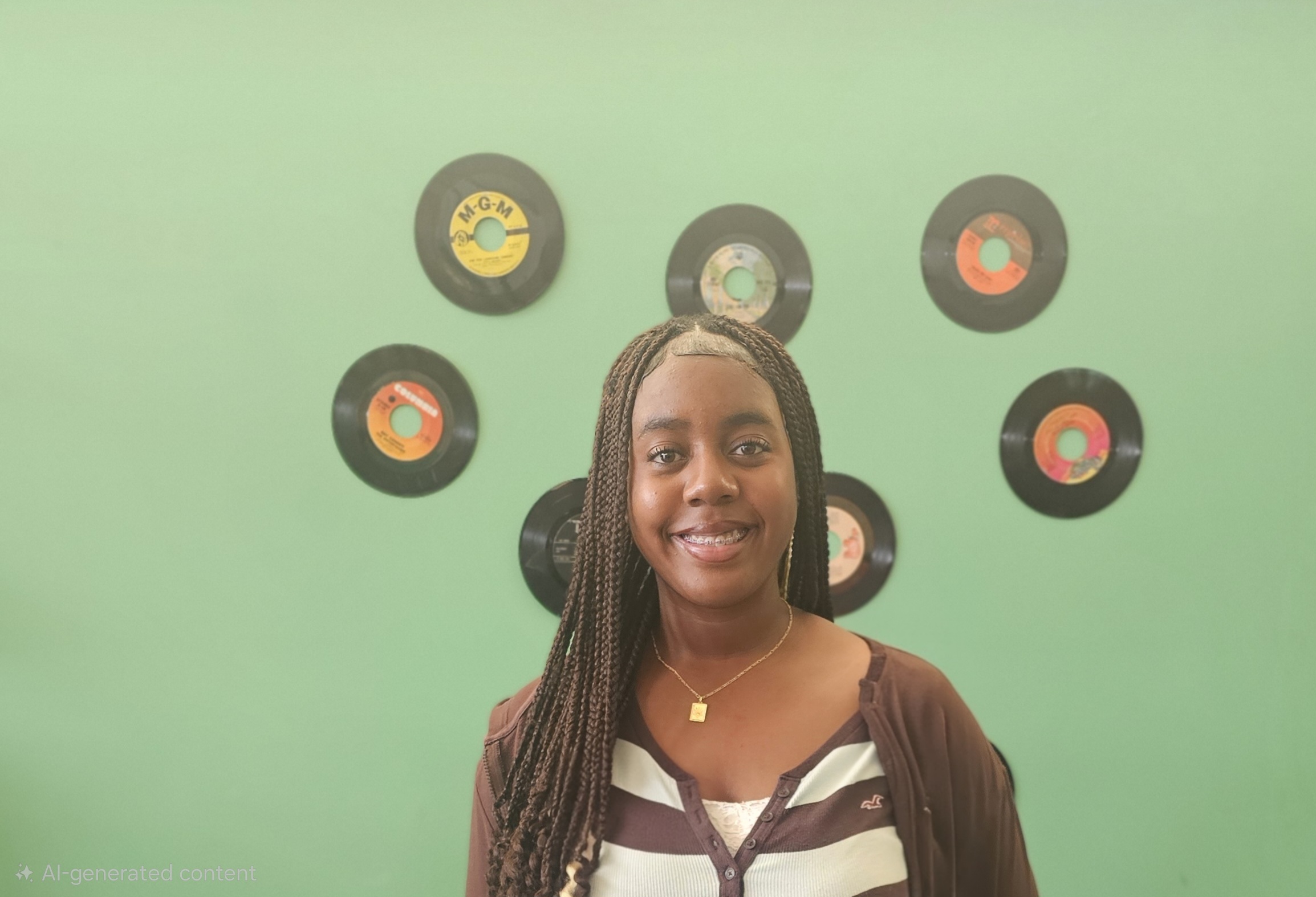
Amora Graydon
Fayetteville, GA
It only takes one second for a life to change forever. A glance down at a phone, a reach for a radio button, or a small distraction that takes our eyes off the road and everything after that moment can change lives.
I am a high school senior and have held my driver’s license for less than a year. Getting my license meant completing driver’s education classes, studying driver rules and finishing Joshua’s Law requirements. I remember how proud it felt to achieve this goal shortly after my sixteenth birthday, but I remember something else just as much. It was the conversation I had with my parents right after I got my license and got in my own car for the first time. They sat me down and told me just how much responsibility driving is, one that affects not only my life but the lives of everyone else on the road with me. They told me that driving was serious business, and I now understand why they said that.
Joshua’s Law exists because a young driver’s life was cut short and his story stayed with me long after I finished the course. It’s easy to treat this law as a checkbox, but learning why the law exists has changed how I think about being behind the wheel. Driver's education does more than prepare you for a test, it's often the only formal exposure young drivers get to the real risks of the road. States with mandatory driver's ed and licensing laws like Joshua's Law consistently see fewer teen driving fatalities, proof that education changes behavior before habits are ever formed.
Closer to home, I followed a case in Georgia that stuck with me even more. A distracted student driving down a busy highway caused a crash on Easter Sunday that killed five people including children. One lapse in judgment ended five lives and changed countless others including the driver herself whom she received a 35-year sentence before her 25th birthday. Neither of the families will ever get back what they lost. A single decision took away futures that can’t be reversed.
I have unfortunately experienced being in a car accident before getting my own license. My grandmother was hit from behind by a distracted 18-wheel truck driver. It was such a scary experience and happened quickly without warning. My little sister was only an infant, and I was in elementary school. I remember the phone call my grandmother had to make to my mom about the accident and the countless hours she spent working with the insurance company on the accident claim. Because of this exposure, I am committed to never putting my own vehicle on the road until my phone is placed on do not disturb and my radio volume set so that I can hear what is going on around me. No phone call is too important and anything I need that is out of reach can wait.
I also never imagined that more people die on the roads annually than soldiers killed at war. I always thought of combat as the most dangerous thing our country could ask of someone. Learning that an ordinary drive to school or work could end in something deadlier than war made me look at my own daily routines differently.
Another thing that is rarely talked about is children who die from being left in hot cars each year. In most cases the parents don’t intend to kill their children, they just got distracted and did not check the back seat. Lawmakers have discussed requiring cars to include technology that detects a child left behind, but that requirement hasn’t passed leaving the responsibility up to drivers to think and take a second look in the back seat before they lock their vehicle. Mandatory child-safety alert systems in vehicles could meaningfully cut down on preventable deaths. But laws alone aren't enough. Real change also depends on drivers choosing to take a second to think, remain focused and not allow distractions to alter their decisions in the moment. When I hear about a child left in a hot car it's a reminder that being safe behind the wheel doesn't end when the car is parked. It means checking the back seat every time just as routine as putting on my seat belt.
Knowing the rules of the road matters as much as knowing the number of tragedies behind them. Something as simple as understanding when to yield or recognizing a flashing traffic signal that permits a turn only after yielding, can be the difference between a close call and a collision. In Georgia, cell phone use behind the wheel is against the law, and depending on the severity could result in legal consequences, including jail time. These are not voluntary rules; they exist because attention is the one resource a driver cannot afford to lose, even for a few seconds.
As I look ahead to college, I know the temptations for distraction will only grow. New independence and friends in the car can create opportunities to let my guard down behind the wheel. That's exactly why I've decided now, before I face those moments, what kind of driver I want to be. I won't start driving with my phone in hand or treat a text worth more than the road in front of me. I want to be someone my friends can trust in the passenger seat because I've made a deliberate choice not to let distraction be one of them. Beyond my own habits, I plan to speak up when I'm a passenger and someone reaches for their phone. Being a safe driver is something I can model for others.
The statistics of deaths on our roadways are heartbreaking. The responsibility to be a safe and attentive driver are real. I intend to carry that responsibility with me every time I get ready to turn the key and drive, because the alternative, as I've come to understand, is a risk no one can afford to take.
I am a high school senior and have held my driver’s license for less than a year. Getting my license meant completing driver’s education classes, studying driver rules and finishing Joshua’s Law requirements. I remember how proud it felt to achieve this goal shortly after my sixteenth birthday, but I remember something else just as much. It was the conversation I had with my parents right after I got my license and got in my own car for the first time. They sat me down and told me just how much responsibility driving is, one that affects not only my life but the lives of everyone else on the road with me. They told me that driving was serious business, and I now understand why they said that.
Joshua’s Law exists because a young driver’s life was cut short and his story stayed with me long after I finished the course. It’s easy to treat this law as a checkbox, but learning why the law exists has changed how I think about being behind the wheel. Driver's education does more than prepare you for a test, it's often the only formal exposure young drivers get to the real risks of the road. States with mandatory driver's ed and licensing laws like Joshua's Law consistently see fewer teen driving fatalities, proof that education changes behavior before habits are ever formed.
Closer to home, I followed a case in Georgia that stuck with me even more. A distracted student driving down a busy highway caused a crash on Easter Sunday that killed five people including children. One lapse in judgment ended five lives and changed countless others including the driver herself whom she received a 35-year sentence before her 25th birthday. Neither of the families will ever get back what they lost. A single decision took away futures that can’t be reversed.
I have unfortunately experienced being in a car accident before getting my own license. My grandmother was hit from behind by a distracted 18-wheel truck driver. It was such a scary experience and happened quickly without warning. My little sister was only an infant, and I was in elementary school. I remember the phone call my grandmother had to make to my mom about the accident and the countless hours she spent working with the insurance company on the accident claim. Because of this exposure, I am committed to never putting my own vehicle on the road until my phone is placed on do not disturb and my radio volume set so that I can hear what is going on around me. No phone call is too important and anything I need that is out of reach can wait.
I also never imagined that more people die on the roads annually than soldiers killed at war. I always thought of combat as the most dangerous thing our country could ask of someone. Learning that an ordinary drive to school or work could end in something deadlier than war made me look at my own daily routines differently.
Another thing that is rarely talked about is children who die from being left in hot cars each year. In most cases the parents don’t intend to kill their children, they just got distracted and did not check the back seat. Lawmakers have discussed requiring cars to include technology that detects a child left behind, but that requirement hasn’t passed leaving the responsibility up to drivers to think and take a second look in the back seat before they lock their vehicle. Mandatory child-safety alert systems in vehicles could meaningfully cut down on preventable deaths. But laws alone aren't enough. Real change also depends on drivers choosing to take a second to think, remain focused and not allow distractions to alter their decisions in the moment. When I hear about a child left in a hot car it's a reminder that being safe behind the wheel doesn't end when the car is parked. It means checking the back seat every time just as routine as putting on my seat belt.
Knowing the rules of the road matters as much as knowing the number of tragedies behind them. Something as simple as understanding when to yield or recognizing a flashing traffic signal that permits a turn only after yielding, can be the difference between a close call and a collision. In Georgia, cell phone use behind the wheel is against the law, and depending on the severity could result in legal consequences, including jail time. These are not voluntary rules; they exist because attention is the one resource a driver cannot afford to lose, even for a few seconds.
As I look ahead to college, I know the temptations for distraction will only grow. New independence and friends in the car can create opportunities to let my guard down behind the wheel. That's exactly why I've decided now, before I face those moments, what kind of driver I want to be. I won't start driving with my phone in hand or treat a text worth more than the road in front of me. I want to be someone my friends can trust in the passenger seat because I've made a deliberate choice not to let distraction be one of them. Beyond my own habits, I plan to speak up when I'm a passenger and someone reaches for their phone. Being a safe driver is something I can model for others.
The statistics of deaths on our roadways are heartbreaking. The responsibility to be a safe and attentive driver are real. I intend to carry that responsibility with me every time I get ready to turn the key and drive, because the alternative, as I've come to understand, is a risk no one can afford to take.
Content Disclaimer:
Essays are contributed by users and represent their individual perspectives, not those of this website.