Once Decision Can Change Everything
2026 Driver Education Round 1
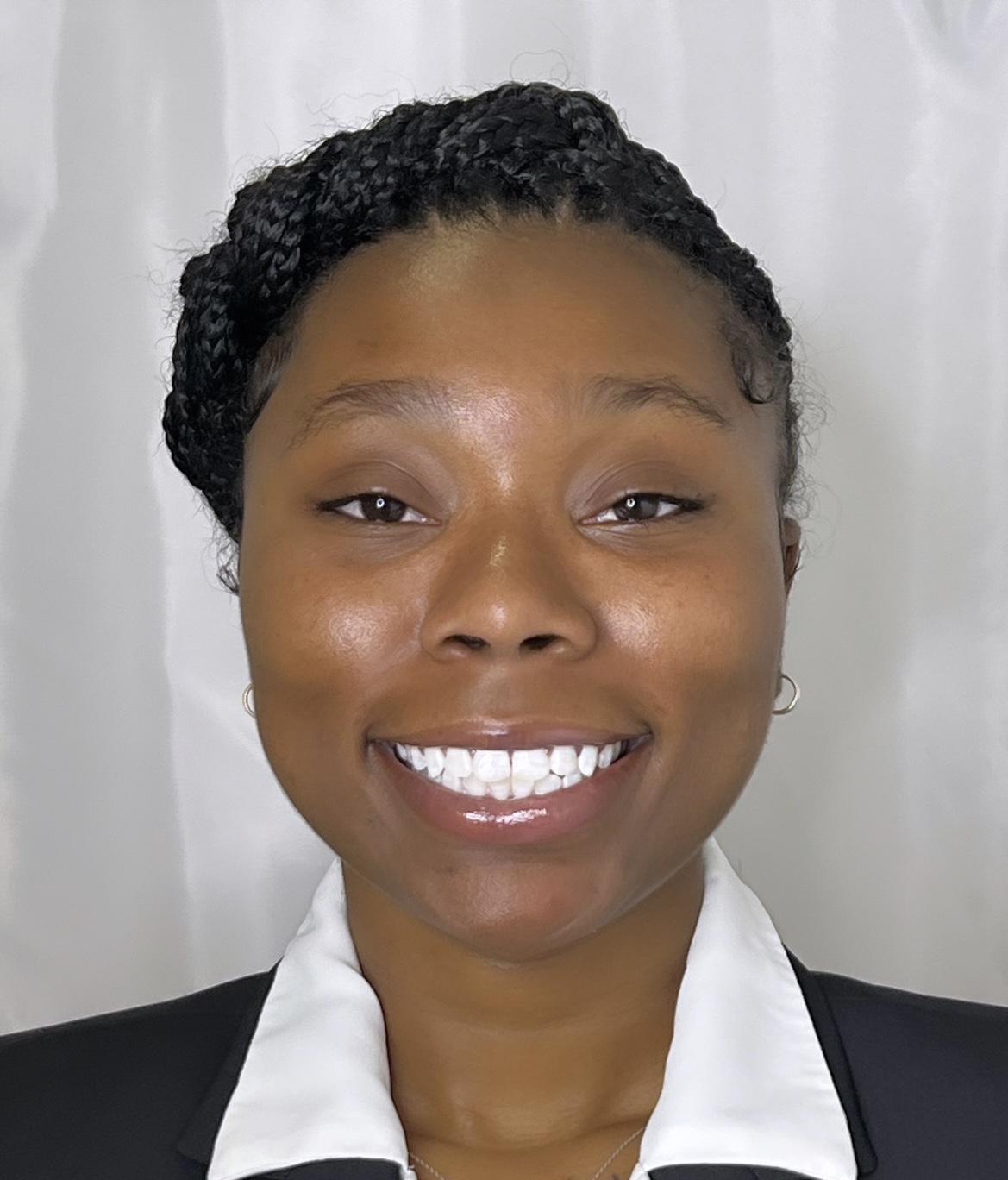
Kelsey Dawson
Albany, GA
Every time someone gets behind the wheel, they have to drive for themselves, the people on the road, and the passengers in their car, if there are any. When someone gets behind the wheel, they have a decision to make. Many just think of driving as something that they have to do every day without even thinking about the risk and the accidents that can happen because it does not happen to them every day. However, many families across the world, such as thousands, lose a loved one because of car accidents that could have been prevented. Driver education is vital because it educates people on how driving is more than just knowing how to use blinkers, park, steer a car, or pass a driver's test. Driver's education teaches responsibility, awareness, patience, and the importance of making safe decisions every time someone gets on the road. Driver education is a major because it minimizes deaths caused by motor vehicles by giving drivers information on recognizing dangerous situations before they even happen. Although new drivers learn about traffic laws, distracted driving, speeding, following distance, defensive driving, weather conditions, and the effects of driving under the influence or even driving while being fatigued. Many car accidents can be prevented if people would use their better judgment. Proper driver education informs people on how one careless moment can change many lives forever.
There are many steps that can be used to reduce the number of deaths a year that are related to driving. One of the main issues is that people are not using their phones and driving, whether it's texting, being on the phone talking, glancing down really quickly just to look at the GPS, or checking social media. Distractions do not only mean using a phone, but they can also pertain to eating and driving, or focusing on things that you are passing by while driving. Not only are eating, drinking, and driving terrible ways to cause a car accident, but texting and driving are also terrible ways to cause a car accident. Driving while being tired is just as dangerous because fatigue slows down the body's reaction time and has an effect on decision-making. Obeying speed limits, wearing seat belts, maintaining safe following distances, and regularly maintaining vehicles are also important ways to prevent accidents. Communities can also continue to educate young drivers through school programs and offer more driving courses instead of the ones that are needed to pass. My understanding of safe driving has been shaped by my own personal experience. When I was younger, my older brother was driving his Mustang to school. He had just pulled out of the driveway, stopped at the stop sign, and turned left to go to school. My mother and I were right behind him, waiting for the cars to pass. Once, my brother turned a truck, driving on the wrong side of the road, and drove on top of my brother's car, trapping him inside. The fire department had to rescue my brother from the vehicle. Thankfully, he survived, but that experience left a traumatic impression on my family and me. The accident was not caused by speeding, distracted driving, or driving under the influence. Instead, the accident happened because someone made the decision to drive even though they were too tired and didn't ask any of the passengers to drive instead. The accident also showed me that responsible drivers can become victims of car accidents when another driver doesn’t understand the dangers of driving while fatigued.
There are many steps that can be used to reduce the number of deaths a year that are related to driving. One of the main issues is that people are not using their phones and driving, whether it's texting, being on the phone talking, glancing down really quickly just to look at the GPS, or checking social media. Distractions do not only mean using a phone, but they can also pertain to eating and driving, or focusing on things that you are passing by while driving. Not only are eating, drinking, and driving terrible ways to cause a car accident, but texting and driving are also terrible ways to cause a car accident. Driving while being tired is just as dangerous because fatigue slows down the body's reaction time and has an effect on decision-making. Obeying speed limits, wearing seat belts, maintaining safe following distances, and regularly maintaining vehicles are also important ways to prevent accidents. Communities can also continue to educate young drivers through school programs and offer more driving courses instead of the ones that are needed to pass. My understanding of safe driving has been shaped by my own personal experience. When I was younger, my older brother was driving his Mustang to school. He had just pulled out of the driveway, stopped at the stop sign, and turned left to go to school. My mother and I were right behind him, waiting for the cars to pass. Once, my brother turned a truck, driving on the wrong side of the road, and drove on top of my brother's car, trapping him inside. The fire department had to rescue my brother from the vehicle. Thankfully, he survived, but that experience left a traumatic impression on my family and me. The accident was not caused by speeding, distracted driving, or driving under the influence. Instead, the accident happened because someone made the decision to drive even though they were too tired and didn't ask any of the passengers to drive instead. The accident also showed me that responsible drivers can become victims of car accidents when another driver doesn’t understand the dangers of driving while fatigued.
I have also experienced a car accident myself. After leaving one of my college classes, I was involved in a parking lot collision when another student accidentally rammed into the back of my vehicle. Although the accident happened at a low speed and no one was seriously injured, it reminded me that accidents can happen almost anywhere—even in places where drivers often let their guard down. Parking lots have people believe that they're safer than highways, but they still require drivers to pay attention, check their surroundings, and drive carefully. That experience reinforced the importance of remaining alert no matter where I am driving. These experiences have changed the way I approach driving. I understand that safe driving isn’t just for my own protection. It is about ensuring everyone on the road is safe as well. I also want to encourage my friends and family to practice safe driving by speaking up when someone is driving distracted or appears too tired to drive. Sometimes, simply reminding someone to put away their phone, buckle their seat belt, or let someone else drive can prevent a tragedy.
As a college student pursuing a degree in healthcare and working in the emergency room, I have developed a greater appreciation for protecting people’s health and well-being. Being a safe driver is another way we can care for one another. Every responsible decision made behind the wheel has the power to make better choices and to save a life. However, even though we can not control the actions of every driver on the road, we can control our own actions and choices while encouraging everyone around us to do the same. Being in the driver's seat means much more than controlling a vehicle and being able to drive yourself around wherever you would like to go. Being in the driver's seat means taking responsibility for pedestrians, cyclists, passengers, and other drivers on the roads. Driver education gives knowledge to make responsible decisions, but it's up to individuals to apply the lessons every day when getting behind a wheel. From firsthand experience that I have gained and seen through my family. Accidents can happen very quickly, like in the blink of an eye. However, so many are just avoidable. If we all commit to staying alert and driving responsibly and encouraging the ones around us to do the same, we can cut down on accidents every year. I believe this will make our community a safer place for everyone.
Content Disclaimer:
Essays are contributed by users and represent their individual perspectives, not those of this website.


The Ripple Effect of the Driver’s Seat: Education, Responsibility, and the Fight Against Traffic Fatalities
Da’Shaun Marquis Williams Jr


